
Last updated November 15, 2026
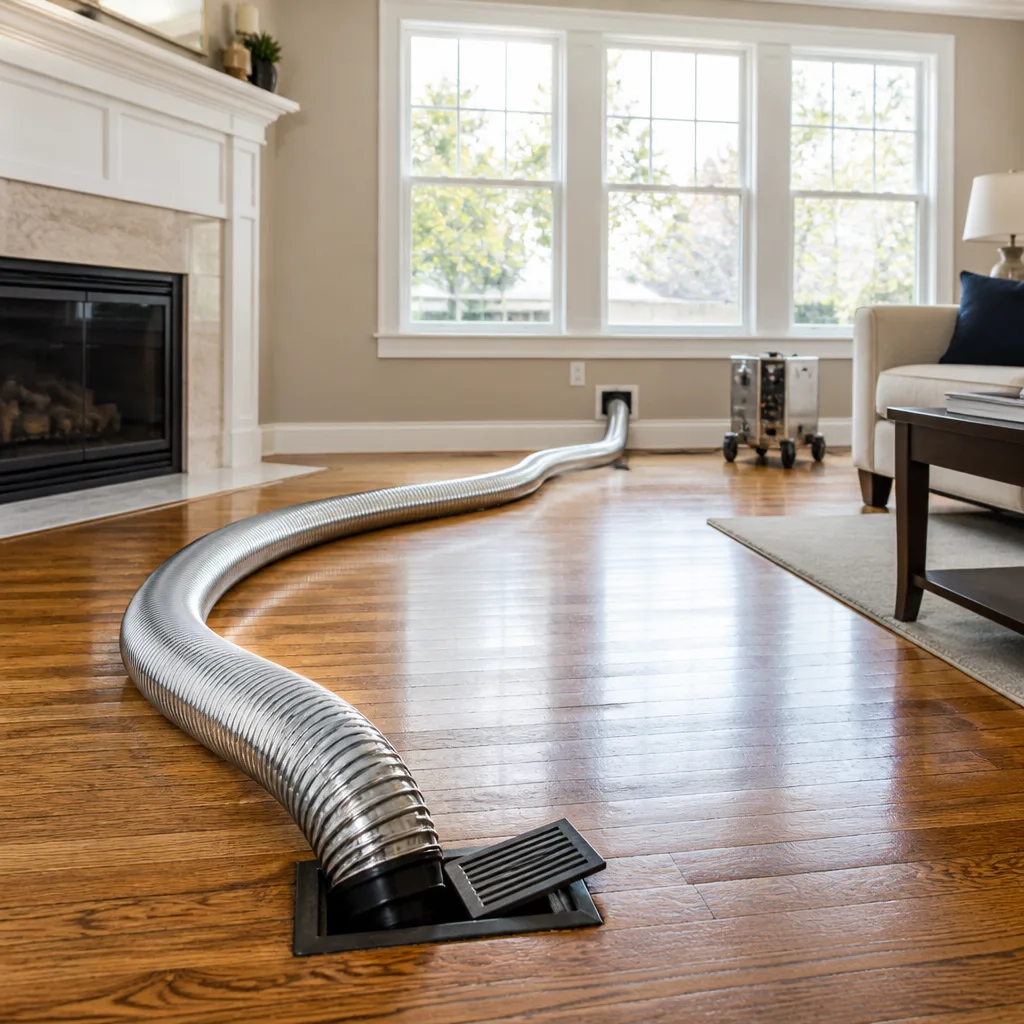 Whole-home duct cleaning
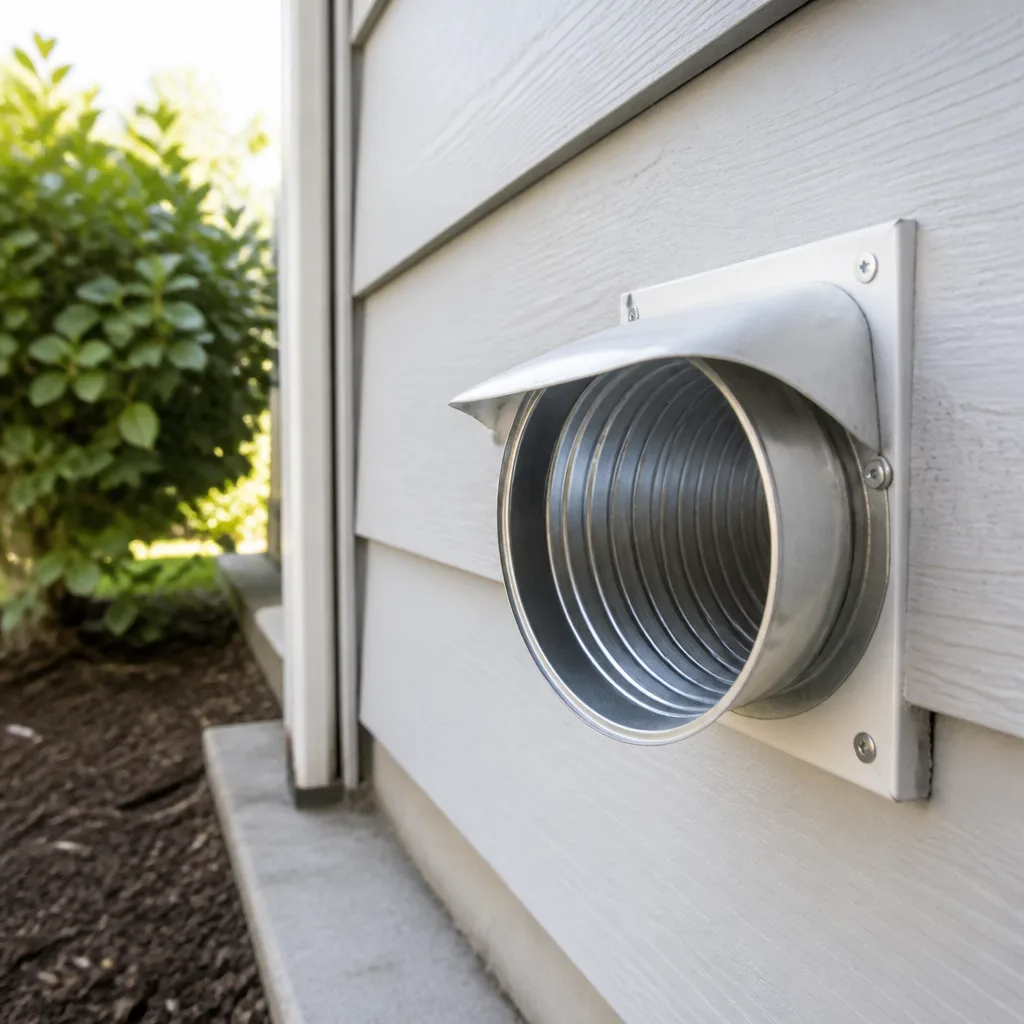 Dryer vent cleaning
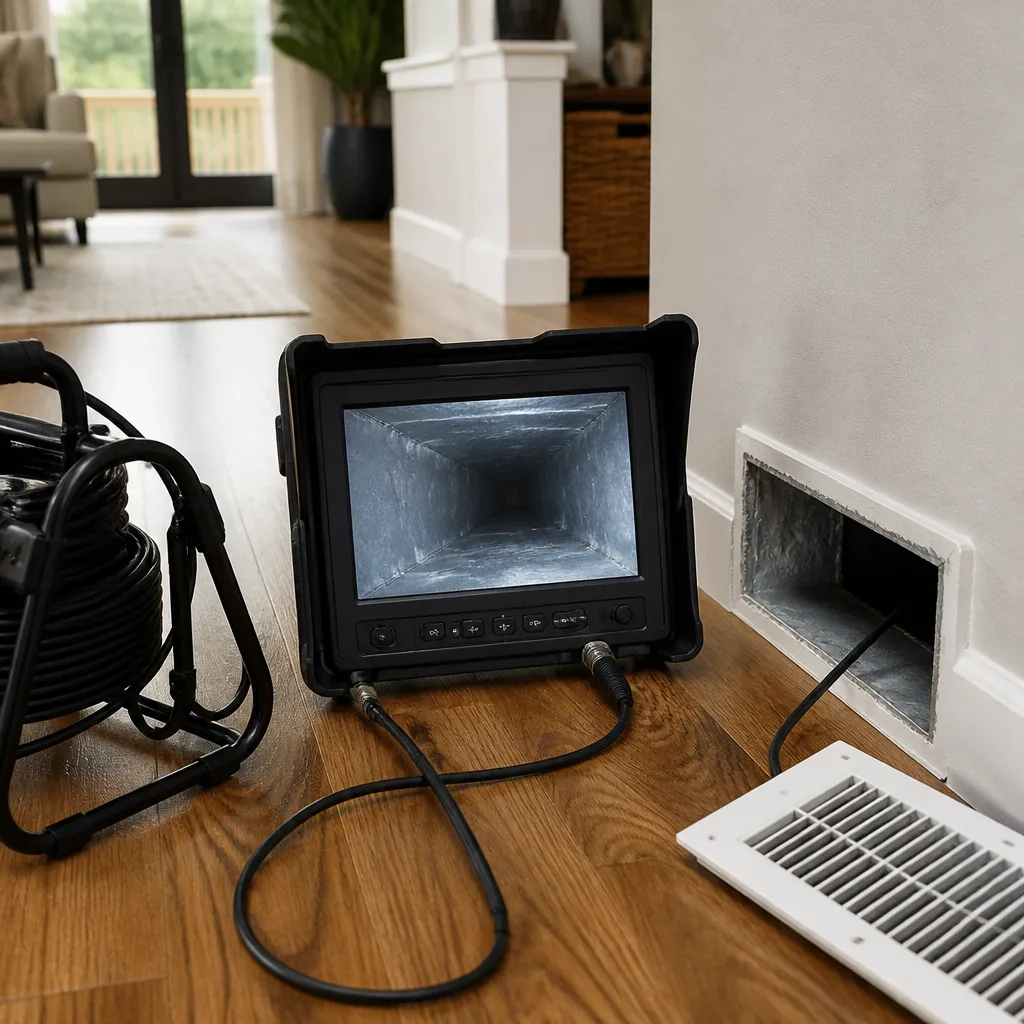 Camera inspection
 Sanitizing & deodorizing
Whole-system duct and dryer vent check with before-and-after photos - you see exactly what came out of your vents
That "$99 whole-house special" is a bait ad - the real number appears once they are in your hallway, or the "clean" is a shop-vac at the register. We photograph the inside of your ducts before and after instead.
Air Duct Cleaning Warning Signs: A Jersey City Homeowner’s Reference Guide
Most guides to duct problems point at the obvious: dust on the furniture, a filter that turns gray too fast. Those are the last signs to show up, not the first. The indicators that matter most are quieter. A room that runs two degrees warm all winter. A faint smell the first time the heat comes on in October. A Con Edison bill that climbs in a month when you barely touched the thermostat. In Jersey City, where so much of the housing stock predates modern ductwork and where gut renovations are constant, those small signals tend to mean something specific. This guide covers what they are, how to test for them, and what service each one actually calls for.
Quick Answer
Air duct cleaning is worth investigating in Jersey City when you notice uneven room temperatures that persist after thermostat adjustments, a musty odor on the first heat-up of the season, visible debris or staining at the registers, or a system that short-cycles despite a serviced HVAC unit. These signs usually point to a restriction, unsealed ductwork, or accumulated contamination in the supply and return system rather than to your furnace or air conditioner itself. A professional inspection tells you which of those it is.
Styles & brands we work with
- Whole-home duct cleaning
- Dryer vent cleaning
- Camera inspection
- Sanitizing & deodorizing
Table of Contents
- Uneven Room Temperatures: A Duct Restriction Test
- Why the First Heat-Up Each Fall Smells Musty
- The Register Inspection Method: Reading Contamination Type
- Short-Cycling: Duct Restriction or Equipment Failure?
- Post-Renovation Ductwork: Jersey City’s High-Risk Condition
- Your Dryer Vent: The Warning Signs People Ignore
- The Energy Bill and Airflow Clues
- Common Mistakes to Avoid
- When to Call a Professional
- Frequently Asked Questions
Uneven Room Temperatures: A Duct Restriction Test
When one room in your Jersey City home never quite reaches the temperature the rest of the house does, the thermostat is usually the first suspect. It’s almost never the thermostat. A thermostat reads one spot and calls for heat or cooling based on that spot. If the system can’t deliver the air in equal volume to every room, a perfectly calibrated thermostat can’t fix it. That’s a delivery problem, and delivery problems almost always live in the ducts.
There’s a simple diagnostic you can run yourself before calling anyone. It won’t tell you exactly what’s wrong, but it will tell you whether the problem is airflow-specific.
- Run the system on fan-only mode, no heat, no cooling. This removes the equipment from the equation.
- Hold a thin strip of tissue or a lightweight ribbon in front of each supply register in the house, one at a time.
- Note which registers move the tissue strongly and which barely stir it.
- Compare rooms. A 30 to 40 percent difference in deflection between rooms running off the same system points to a restriction downstream of the trunk line, a crushed flex run, or a damper left partially closed.
- Check the return registers the same way. A weak return says the whole system is starved, not just one branch.
In the older brick rowhouses and brownstones common across downtown Jersey City and the Heights, duct runs are frequently retrofit, meaning they were threaded through existing walls and chases decades after the house was built. Retrofit runs are the most likely to be pinched or disconnected, because the installer’s path of least resistance often became a permanent kink. A room that’s always been cold is one thing. A room that has become steadily colder over the last year or two is telling you something is degrading.
What most people don’t know: uneven temperatures are the earliest warning sign on the list, and they’re also the cheapest to fix when caught early. A disconnected or kinked run repaired before it accumulates debris stays clean. Left alone, a starved run pulls dust and moisture into the gap and the problem compounds.
Why the First Heat-Up Each Fall Smells Musty
There’s a difference between “first heat smell” and a musty odor, and in Jersey City’s older housing stock that difference matters. Every forced-air system smells a little earthy the first time heat runs in October. Burning off settled dust on the heat exchanger is normal and fades within a day. A musty smell that returns every fall, or lingers for weeks, is a different signal: it usually means moisture has been sitting in the duct system or on the cooling coil through the humid summer, and the heat has just made it noticeable.
Jersey City summers are damp. Relative humidity in July and August regularly sits high enough that an air conditioning system not designed for good dehumidification will leave condensation on the evaporator coil and in the drain pan. If the duct runs or the plenum have small leaks or low spots, that moisture wicks into the duct lining and stays there. By the time heat comes on in the fall, you’re smelling biological growth, not dust.
Where this shows up most in Jersey City:
- Garden-level and basement units in converted brownstones – the lowest duct runs are closest to ground moisture and get the least airflow, and they’re the runs most likely to hold damp air through the summer.
- Rowhouses with ducts running through exterior walls – the wall cavity can carry enough moisture that the duct surface stays damp even in a dry season.
- Gut-renovated units where the old ductwork was retained – the original duct runs were sized for a different system and often have low points that never drained properly.
- Any system with a coil that hasn’t been inspected in a couple of years – coil growth is the most common source of a smell that seems to come from the vents but actually doesn’t.
The first thing to do when you smell it is confirm where it’s coming from. A musty smell that appears only when the blower runs points to the ducts or the indoor coil. A musty smell that appears regardless of whether the system is running points to something else in the house, often a bathroom fan venting into the attic or a crawlspace leak. If it travels with the ductwork, the ducts are the first thing to inspect.
The Register Inspection Method: Reading Contamination Type
Not all contamination is the same, and the kind you have tells you what service you actually need. A register inspection takes fifteen minutes and gives you a much clearer picture than a general “my ducts are dirty” impression. It’s also the method professionals use on arrival, and knowing it in advance helps you ask better questions.
You’ll need a flashlight, a step stool, and a rag you don’t mind throwing away.
- Remove one or two supply register covers on the same branch of the system, and one return cover.
- Shine the flashlight up the duct, straight along the wall, as far as you can see. Note the texture and color of what you find on the bottom of the duct.
- Wipe a small section of the duct interior with the rag and look at what comes off.
- Repeat at a second register on a different branch of the system.
Here’s how to read what you find:
- Fine gray or brown powder, uniform, no clumping – ordinary household dust and skin cells. This is normal accumulation and often doesn’t require cleaning unless it’s heavy. Check the return first; if the return looks like this, the supply likely does too.
- Black, patchy, or mossy staining on the duct lining, particularly near the coil or in low runs – moisture-driven growth. This needs more than a cleaning; it needs a look at the coil and at duct sealing to figure out where the moisture is coming from.
- Sharp-edged debris, chunks of plaster, drywall dust, sawdust, or strands of fiberglass insulation – construction debris. This is the one to take seriously. Jersey City’s constant gut-rehab activity means construction debris in ductwork is common, and drywall dust is abrasive enough to prematurely wear out blower bearings.
- Rust flakes or water staining in the duct interior – moisture has been sitting. That needs a professional inspection before the ducts get cleaned, because cleaning a wet system doesn’t solve the underlying cause.
- Animal hair, vermin droppings, or a strong animal smell – the ducts have been entered by something. This warrants a professional inspection, and usually a more thorough containment approach during cleaning.
The register method tells you what’s in the ducts. It doesn’t tell you what to do about it. That’s a question for a professional assessment, particularly if the answer is anything other than plain dust.
Short-Cycling: Duct Restriction or Equipment Failure?
Short-cycling means the system starts, runs for a short burst, and shuts off before it’s completed a full cycle. In cooling mode that’s usually under 10 or 15 minutes; in heating, under 20. Short-cycling is a symptom, not a diagnosis, and it has two very different possible sources: a duct restriction, or an equipment problem. The two lead to different service calls, and it’s worth understanding which one you’re likely dealing with before you call anyone.
Duct restriction causes short-cycling because the blower is pushing against higher static pressure than the system was designed for. That raises the temperature of the heat exchanger or lowers the pressure across the evaporator coil, and either can trip a safety limit switch. The system shuts down, the limit resets within minutes, and the cycle starts again.
Equipment failure causes short-cycling for other reasons: a failing igniter, a blocked condensate drain, a refrigerant charge issue, or an oversized system that hits setpoint too quickly and drops out on its high limit.
Here’s how to tell them apart:
- Furnace or AC short-cycles only in very cold or very hot weather – points to equipment, usually a limit switch tripping because the system can’t keep up.
- Furnace or AC short-cycles in mild weather too, and always after the same interval – points to a restriction.
- The blower sounds louder than it used to, with a slightly strained or whistling quality – classic restriction symptom. The blower is pushing hard against backpressure.
- You hear a “ticking” or “flapping” at one or two registers – usually a loose damper or a partially collapsed flex run vibrating. Both restrict the system.
- The filter change doesn’t help, and the filter wasn’t that dirty to begin with – the restriction is downstream, not at the filter.
In our experience across Jersey City, the short-cycling call where the furnace and the AC both go out of their way to tell you the restriction is in the ducts is the one most often misdiagnosed. It’s easy to replace a part on the equipment and call it solved when the real problem is a crushed run behind a wall or a damper someone closed during a renovation and forgot about. A static pressure reading at the equipment tells the story in about five minutes, and it’s the first thing any competent technician should check.
If your system is short-cycling, don’t just keep resetting it. Each cycle stresses the heat exchanger. Ask any technician to check static pressure before replacing parts. You can also schedule air duct cleaning with a company that will diagnose the restriction first.
Post-Renovation Ductwork: Jersey City’s High-Risk Condition
Jersey City has one of the highest volumes of residential gut renovation in the region. Brownstones in Paulus Hook and Hamilton Park get stripped to the studs and rebuilt; two- and three-family buildings in McGinley Square and Bergen-Lafayette go through the same transformation. One of the most consistent warning signs we see is ductwork that was opened during construction and never resealed, or duct runs that were cut and spliced to make the new layout work without an airtight seal at the joints.
What happens next is predictable. During construction, drywall dust, sawdust, and insulation fibers enter any open duct. If the ducts weren’t capped before demo (and in most gut renovations they aren’t), that debris settles in the horizontal runs and sits there for years. Meanwhile, the new joint seams leak enough that the system is losing 15 to 30 percent of its air into the wall cavity rather than into the rooms. The homeowner moves in, notices one room is always a bit warm, assumes the system needs balancing, and never finds the actual cause.
Signs your Jersey City home’s ductwork was compromised in a renovation:
- The renovation happened in the last five years and the ducts were never professionally cleaned afterward.
- Registers on one wall push noticeably less air than registers on a mirror-image wall across the hallway.
- You’ve found drywall dust or small chunks of plaster in a supply register – even a little is a sign of a lot further in.
- There are registers in walls or ceilings that look newer than the surrounding drywall. Those were added during the renovation and are the most likely to have a compromised splice behind them.
- The dust in the house increased noticeably after the renovation and never went back down.
Duct repair as a standalone service exists for exactly this situation. Cleaning the ducts after a renovation without inspecting for open joints, disconnected runs, or crushed flex will get rid of the debris but leave the leak. The right sequence is to inspect first, repair what’s compromised, and clean after. That’s the one sequence most post-renovation homes in Jersey City actually need, and it’s the one most cleaning companies skip because they don’t offer repair as a service.
Your Dryer Vent: The Warning Signs People Ignore
The dryer vent is part of the duct system, and it’s the part with the shortest window between “warning sign” and “problem.” Lint is flammable. That’s the whole risk, and it doesn’t need dressing up. What matters is knowing when your dryer vent is telling you it needs attention.
The warning signs, roughly in order of severity:
- Clothes take longer than one cycle to dry, especially on a dryer that used to be fast. This is the earliest sign that airflow is restricted.
- The dryer or the clothes feel unusually hot at the end of the cycle. Heat is building up because it can’t escape fast enough.
- The outside vent flap barely opens or doesn’t open at all when the dryer is running. Check this from outside; it’s the fastest confirmation that the line is restricted.
- The lint trap fills unusually quickly, or you find lint accumulating around the door seal or behind the dryer.
- A musty or hot smell in the laundry area after a cycle. This warrants stopping use until it’s checked.
Older Jersey City rowhouses present a specific problem: dryer vent runs were often original to the building, routed up through an interior wall to the roof, and some have been running for decades without a proper cleaning. In buildings where the dryer is on a lower floor and the vent terminates on the roof, the run can be 30 to 40 feet and contain multiple elbows. Every elbow collects lint. Every foot of run reduces airflow. If your dryer is at the far end of a long roof-vented run, the interval between cleanings should be shorter than the standard recommendation, not longer.
The practical rule for dryer vent cleaning in Jersey City: if you can’t remember the last time it was done, it’s overdue. The warning signs above are a valuable early indicator, but the absence of signs is not proof the vent is clear. Lint accumulates slowly and the dryer compensates by running longer. By the time the signs are obvious, the vent has usually been restricted for a while.
The Energy Bill and Airflow Clues
A Con Edison bill that jumps during a mild month, when heating or cooling demand hasn’t risen, is one of the quietest duct warnings there is. A rate change is possible, and it’s worth checking first. But if the rate is the same and the usage is up, the system is working harder than it needs to. Restriction in ducts raises static pressure, and higher static pressure raises the energy the blower uses to move the same amount of air. That draw shows up in usage before it shows up anywhere else.
Other airflow clues worth knowing:
- A blower that’s noticeably louder than it used to be, without any obvious change in the house, points to restriction.
- Whistling at registers, which sounds like a small leak but usually means the register is starved and air is being forced through a narrower passage than designed.
- Dust that settles quickly after cleaning, especially on horizontal surfaces near supply registers. If dust returns within days, the source is pressurizing the room rather than just floating around.
- Constantly running the fan just to feel the air. If leaving the fan on helps, the system isn’t moving air efficiently on its own.
A note on equipment matters here. The dust that comes out of a register in a home with a compromised return is not just an annoyance; it’s what the blower and the coil have been breathing too. Debris on the evaporator coil reduces its ability to exchange heat, which raises your cooling bill further. Dust on the blower wheel unbalances it and shortens its life. The connection between a dirty duct system and higher energy bills is not metaphorical.
Common Mistakes to Avoid
- Calling a duct cleaner before a diagnosis. A cleaning without an inspection often misses the actual restriction. Ask any company whether they inspect the ducts before they clean them. If they don’t, you’re paying for a service that doesn’t address the problem.
- Hiring on price alone. The duct cleaning trade has a long history of low coupon pricing that becomes a much bigger invoice once the technician is on site. A written estimate before work starts is the only defense against it. One flat price per system, agreed in advance, is the standard to insist on.
- Sealing ducts yourself with tape from the hardware store. Ordinary duct tape doesn’t last on HVAC ductwork; it fails within a year on hot or cold surfaces. Duct sealing is a professional job and needs the right materials. It’s also easy to seal a joint that shouldn’t be sealed.
- Assuming “new system, so ducts must be fine.” A new HVAC system installed on top of unsealed, contaminated ductwork is still a restricted system. Jersey City has plenty of these – new equipment, old ducts, same problem.
- Skipping the dryer vent because the dryer “seems fine.” Dryers compensate for restriction by running longer without any visible sign. The length of the run in older Jersey City buildings makes the vent cleanings more important, not less.
- Cleaning the ducts and skipping the inspection of the coil. If a smell keeps returning after a cleaning, the coil or drain pan is usually the source. Cleaning the ducts without inspecting the coil misses half the problem.
- Not asking for before-and-after photos. A duct cleaning is invisible work. Any company doing it well should be able to show you photos of your own ducts before and after the service. If they can’t, you don’t know what was actually done.
When to Call a Professional
Call a professional if any of these apply: you’ve confirmed through the tissue test that one or two rooms are getting significantly less air than the rest of the house; you smell musty odor every fall that returns with the first heat-up; your registers show construction debris, staining, or anything other than ordinary household dust; your furnace or AC short-cycles and the filter change didn’t help; your home was gut-renovated in the past five years and the ducts were never professionally cleaned afterward; or your dryer takes longer than one cycle to dry a normal load and you can’t remember the last time the vent was cleaned.
Duct Cleaning Jersey City offers free estimates in Jersey City. We use professional-grade equipment – Rotobrush rotary-brush systems, Nikro cleaning equipment, and Abatement Technologies containment for the work itself – and we offer air duct repair as a standalone service alongside cleaning, so the diagnosis and the fix come from the same provider. Call (844) 834-2949. We answer 24/7. Fast dispatch from 7am to 7pm, Sunday through Friday.
Frequently Asked Questions
Whole-home air duct cleaning in the Jersey City area typically runs in the range of $350 to $700 for a standard system, with the price driven by home size, number of registers, and whether the system needs repair work on top of cleaning. Larger multi-family buildings and runs with significant debris or a compromised branch can run higher. We quote a flat price per system before work starts, and the written estimate is what you pay. Call (844) 834-2949 for an exact quote – estimates are free.
Low-priced quotes are usually low for a reason: a per-vent rate that climbs once the technician counts your registers, a coupon price that becomes a far larger invoice after the “inspection,” or a cleaning that only touches the visible registers and never enters the duct interior. A real cleaning takes hours and uses professional equipment. There’s no way to do it well at a coupon price. Ask for a flat per-system price, a written estimate before work starts, and before-and-after photos of your own ducts. Call (844) 834-2949 for an honest quote.
Ask for before-and-after photos of your own ductwork, taken inside the runs, not just the registers. Any company doing the work well should be able to provide them without being asked. Our technicians photograph the ducts before cleaning and after, and you see what came out. Call (844) 834-2949 if you’d like to understand the process before scheduling.
For most homes, every three to five years is a reasonable interval if the system is sealed and the ducts are clean to begin with. Jersey City homes in older rowhouses, buildings that have been through a gut renovation, or homes with pets or recent construction should be cleaned more often, and homes with a compromised return or an unsealed duct joint should be inspected before the standard interval comes up. If you can’t remember the last time it was done, it’s due. Call (844) 834-2949 to schedule an assessment.
Musty odor on first heat-up in Jersey City is usually moisture that built up in the ducts or on the AC coil through the humid summer, not just dust. In older rowhouses and brownstones, the duct runs through exterior walls and low basement runs hold moisture the longest. If the smell returns every year or lingers beyond a day, the ducts and coil should be inspected. Call (844) 834-2949 to have someone look before it becomes a repair problem.
It’s usually the ducts, not the equipment. Uneven room temperatures in Jersey City homes are most often caused by a crushed flex run, a disconnected branch, or a damper left partially closed – all airflow problems, not equipment problems. A cleaning alone won’t fix a crushed run; it needs repair. That’s why we offer air duct repair as a standalone service, so the diagnosis and the fix come from the same place. Call (844) 834-2949 for a free estimate.
The Bottom Line
Most of the warning signs that matter in Jersey City don’t look like duct problems at first. Uneven rooms read as thermostat issues. Musty fall odor reads as seasonal dust. A rising Con Edison bill reads as a rate change. Short-cycling reads as a furnace problem. The register inspection and the tissue test are simple diagnostic tools every homeowner can run in under half an hour, and they’ll tell you which of these signs is worth acting on first. The one sequence to remember: inspect, then repair if needed, then clean. Cleaning alone treats the symptom. If you’re seeing any of the signs in this guide, the right move is a professional look.
Duct Cleaning Jersey City covers all three airflow systems – supply and return air ducts, dryer vents, and duct structural integrity – with professional-grade equipment and a written estimate before work starts. We install air quality products from Honeywell and Aprilaire for ongoing filtration after cleaning, and we handle air duct repair when the diagnosis calls for it. If you’ve noticed any of the warning signs in this guide, it’s worth a free estimate. Call (844) 834-2949 to schedule one. Explore our full Duct Cleaning Jersey City services, and see our Jersey City service page for local details.
Written by the team at Duct Cleaning Jersey City.
See the difference
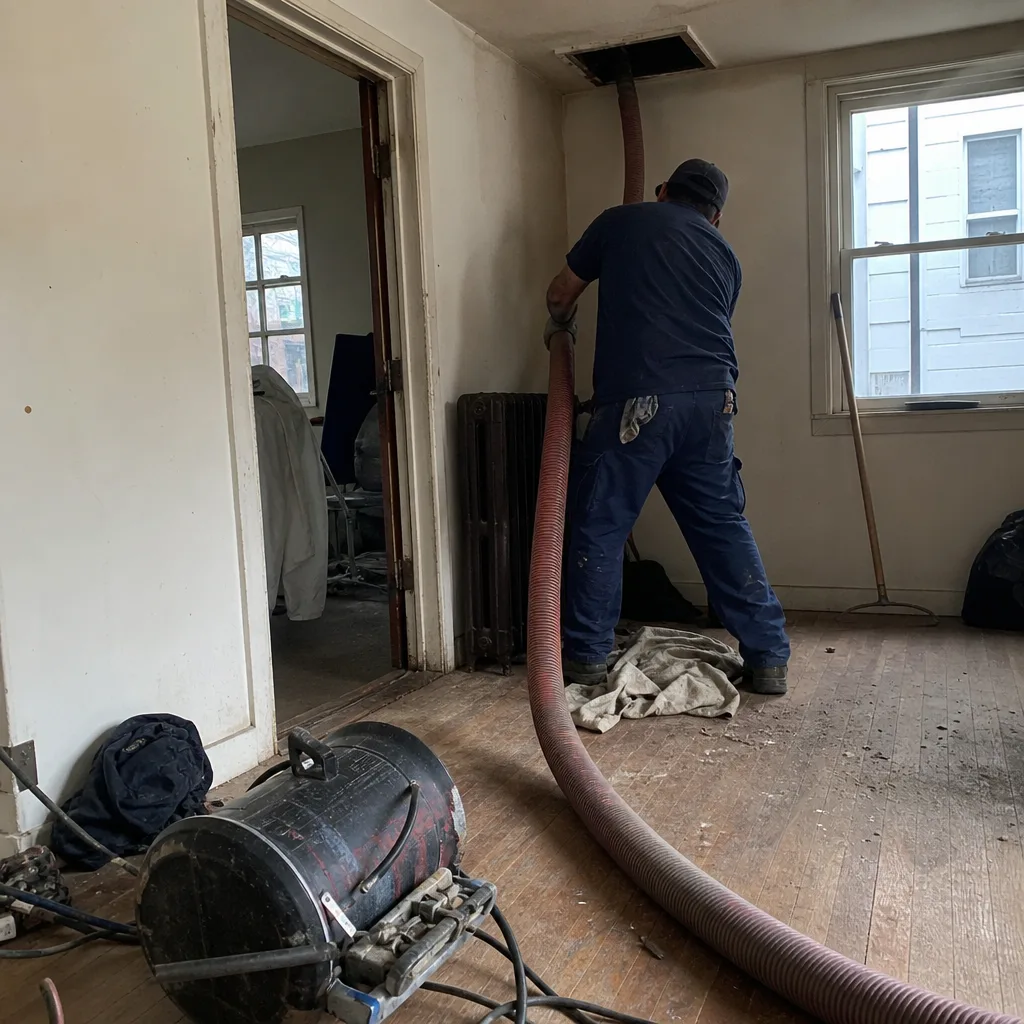 Before
 After
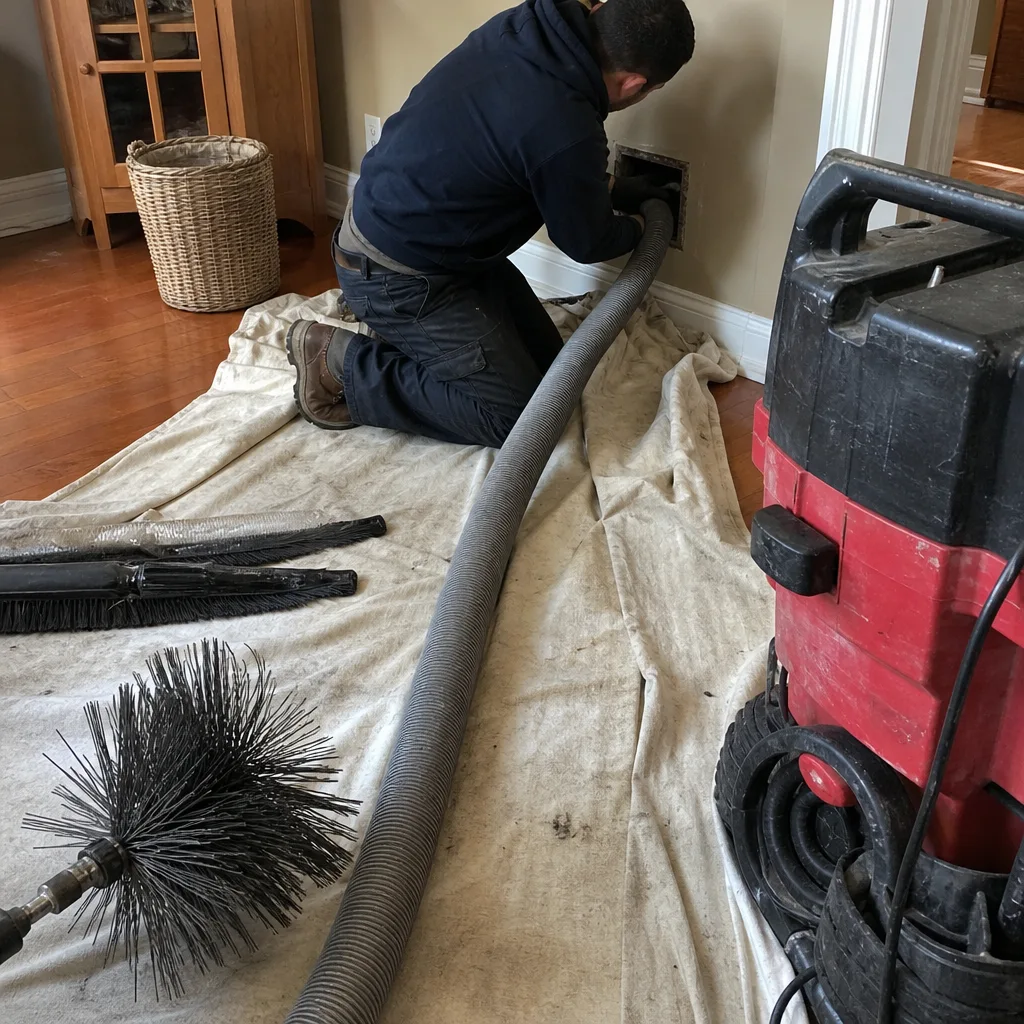 Before
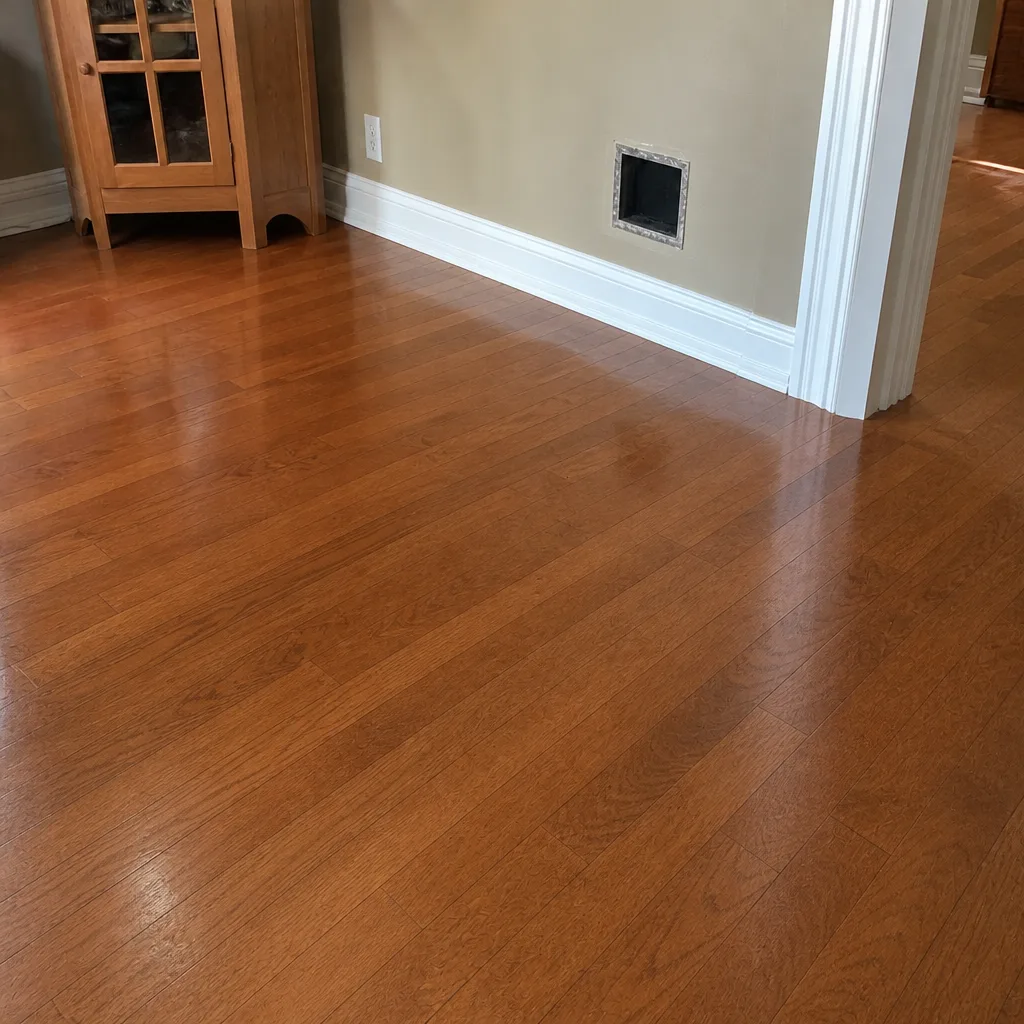 After
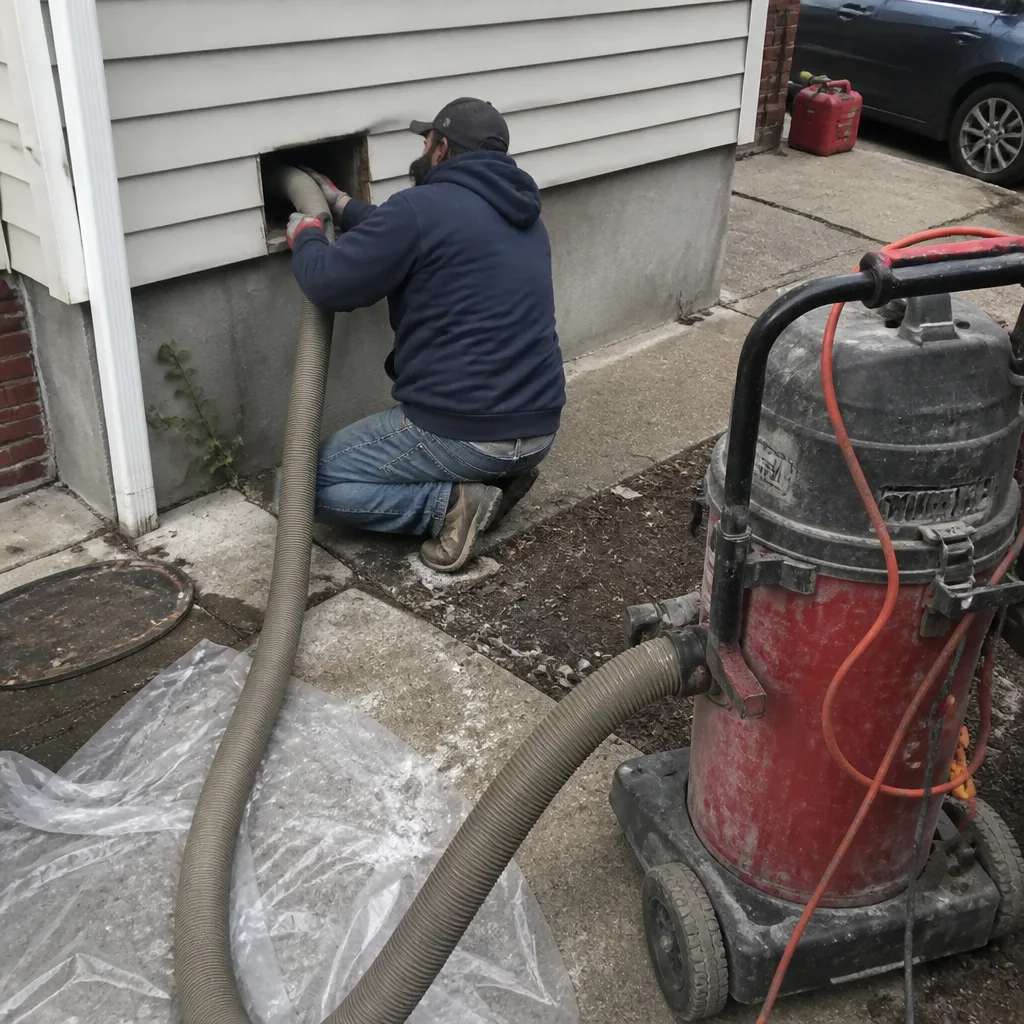 Before
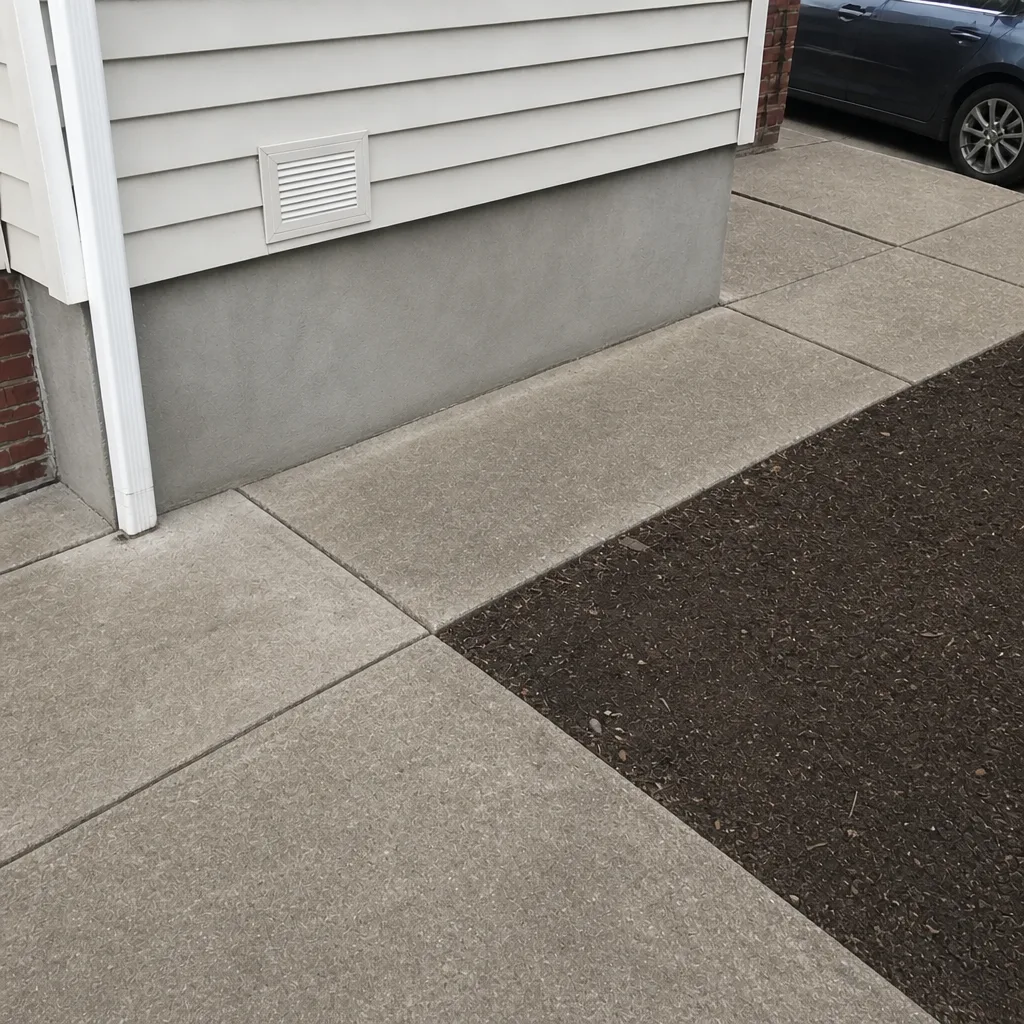 After