
Last updated November 15, 2026
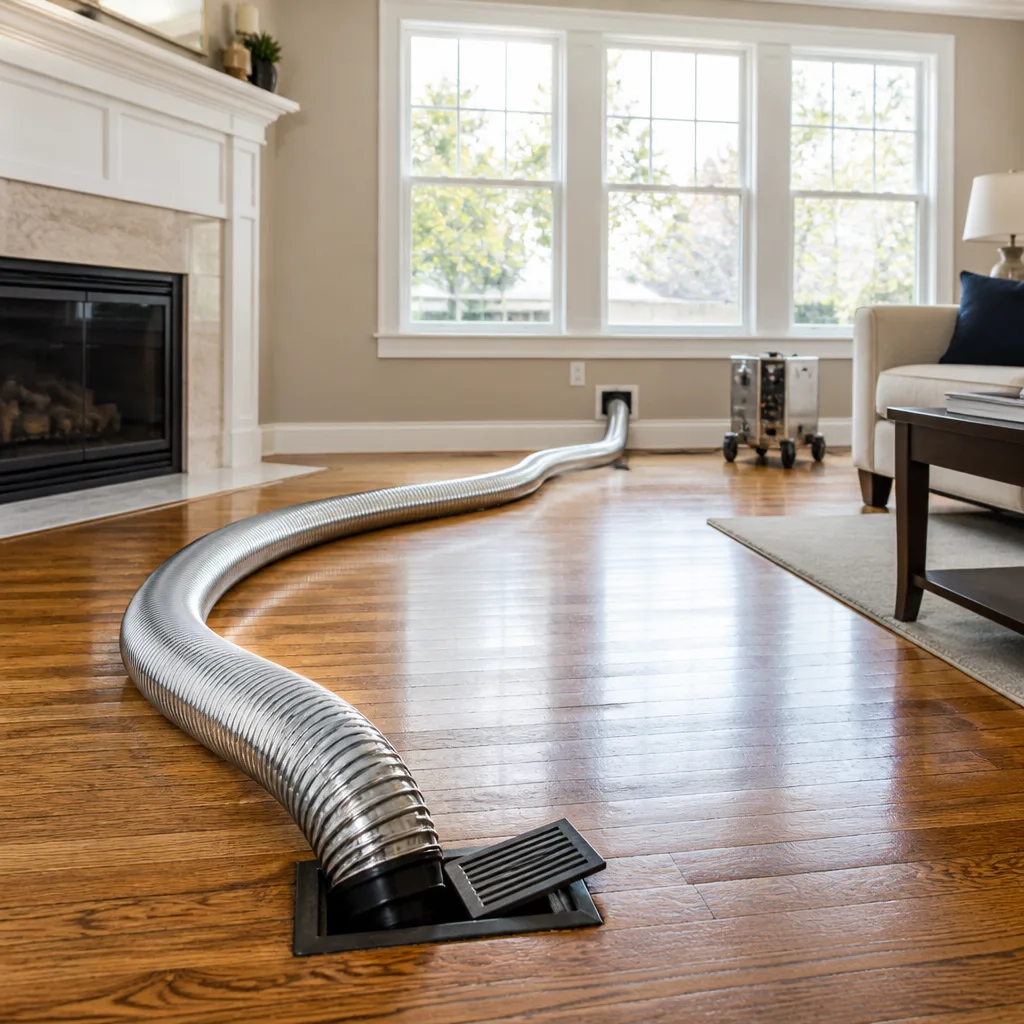 Whole-home duct cleaning
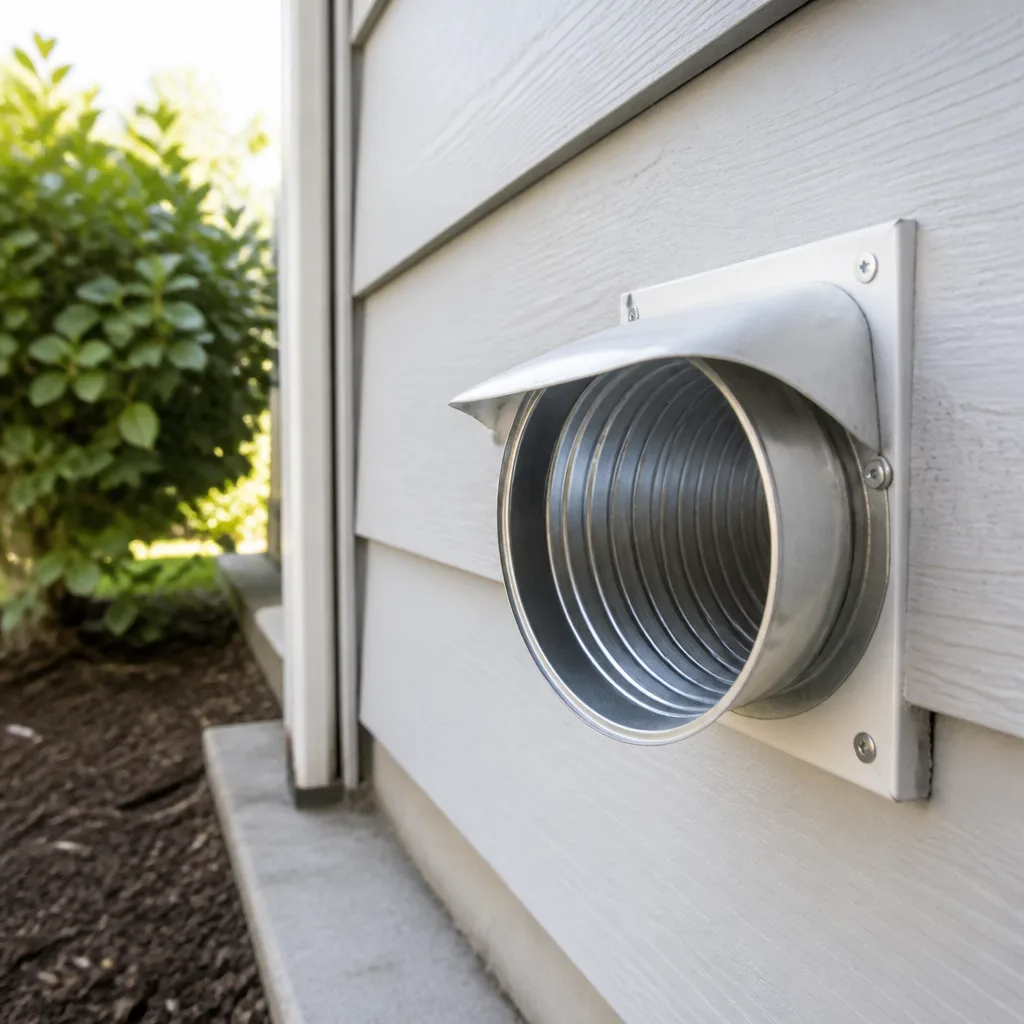 Dryer vent cleaning
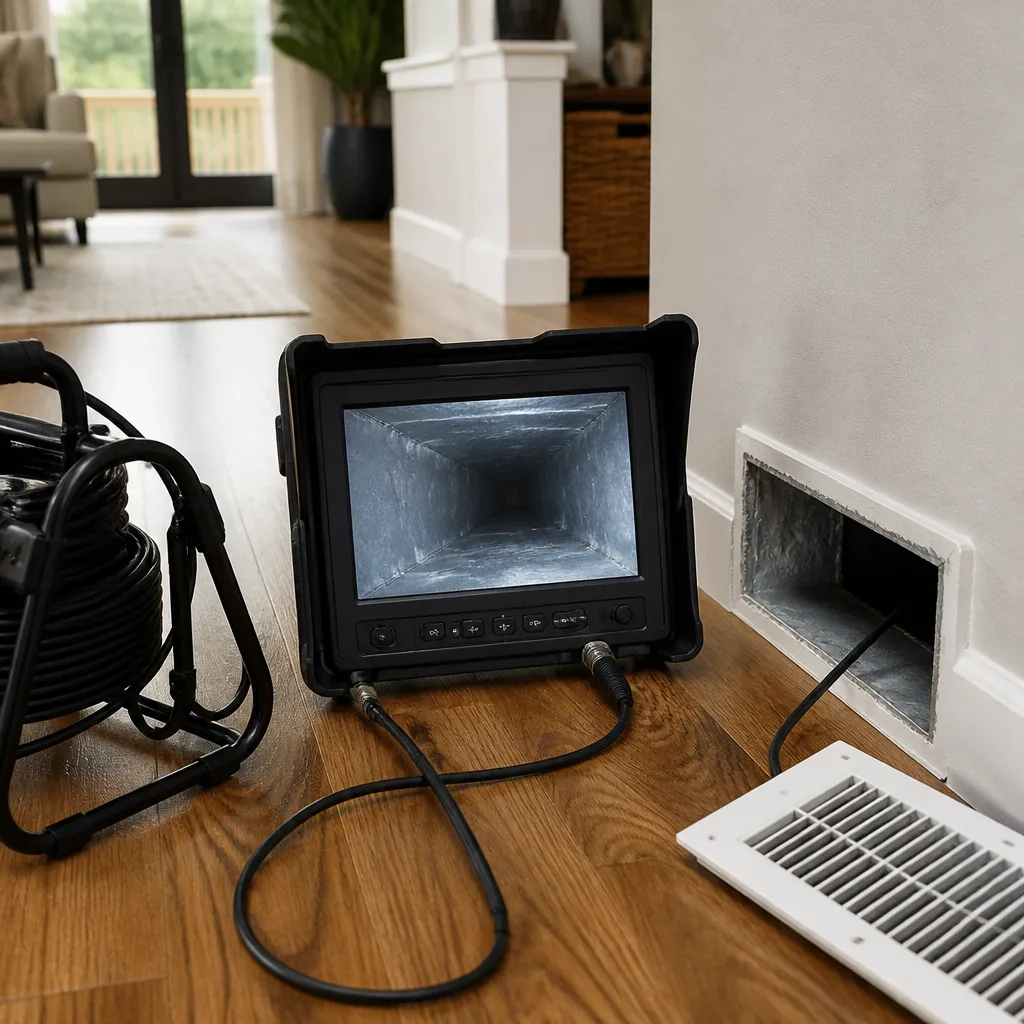 Camera inspection
 Sanitizing & deodorizing
Whole-system duct and dryer vent check with before-and-after photos - you see exactly what came out of your vents
That "$99 whole-house special" is a bait ad - the real number appears once they are in your hallway, or the "clean" is a shop-vac at the register. We photograph the inside of your ducts before and after instead.
Seasonal Air Duct Cleaning Care for Jersey City: Year-Round Homeowner’s Guide
Most homeowners schedule duct cleaning by calendar year, not by the two moments that actually matter in Jersey City: right before the first heat of the season, and immediately after the spring pollen surge that clogs return grilles in days, not months. That’s the counterintuitive part. Duct contamination here isn’t a slow, even accumulation. It spikes, and it spikes in patterns you can predict if you know what your home’s airflow system is going through each season. This guide maps duct care to the real seasonal pressures of a dense Hudson County environment, not generic national advice. You’ll learn what each season does to your ductwork in Jersey City, how to build a 12-month maintenance calendar, and when self-inspection is enough versus when to call in professional-grade equipment.
Quick Answer
Air duct cleaning in Jersey City is best scheduled twice a year: once in early spring before windows-open season pushes pollen into your return grilles, and once in early fall before you switch from air conditioning to forced-air heat. Between those two service windows, monthly self-inspections of registers and filters catch most problems early. The seasons in between matter too, but they’re handled with routine checks rather than full cleanings.
Styles & brands we work with
- Whole-home duct cleaning
- Dryer vent cleaning
- Camera inspection
- Sanitizing & deodorizing
Table of Contents
- Why Jersey City’s Four Seasons Change Your Duct Care
- Spring: The Pollen Surge and Windows-Open Season
- Summer: High AC Runtime and Coil Contamination
- Fall: Pre-Heating Inspection and Condensation Residue
- Winter: Dry Forced-Air Heat and Duct Insulation
- Building a 12-Month Duct Care Calendar
- Dryer Vent Care Across the Seasons
- What Professional Equipment Actually Does
Why Jersey City’s Four Seasons Change Your Duct Care
Jersey City sits in a climate with four genuinely distinct seasons, and each one puts a different load on your ductwork. That’s not a marketing angle. It’s the reason “clean your ducts once every few years” advice falls apart here. A homeowner in a mild, single-season climate faces one steady contamination pattern. A homeowner in Jersey City faces four different ones in the same year, and the transitions between them are when contaminants move from your duct walls into the air you breathe.
The city’s housing stock makes this sharper. Dense neighborhoods like Paulus Hook, Hamilton Park, Journal Square, and the Heights mix older buildings with tight modern construction. Older buildings often have ductwork that’s been through decades of heating and cooling cycles. Newer construction runs tighter envelopes, which means less natural air exchange and more reliance on mechanical airflow. In both cases, the duct system becomes the main pathway for whatever’s floating in the air, and the seasonal loads matter more, not less.
Here’s what changes season to season:
- Spring floods the air with pollen while you open windows, pushing particulates into return grilles at the fastest rate of the year.
- Summer runs your AC hard enough that moisture and particulate bake onto cooling coils and duct surfaces.
- Fall brings the switch to heating, and with it the risk of leftover summer condensation becoming a substrate for mold.
- Winter dries the air, stresses duct insulation, and changes how particles re-enter your living space.
Once you see the year as four separate loads instead of one ongoing condition, the maintenance calendar writes itself. Two of those seasons deserve a full professional cleaning. The other two deserve inspection and self-checks. Understanding that split is the core of seasonal duct care in Jersey City. For the fundamentals of how duct cleaning works before we get seasonal, our air duct cleaning page covers equipment, methods, and what a full system service actually involves.
Spring: The Pollen Surge and Windows-Open Season
Spring is the fastest quarter for duct contamination in Jersey City, and the reason is simple: two things happen at once. The pollen load spikes across Hudson County, and homeowners start opening windows. Windows-open season means unfiltered outdoor air comes in through the openings, yes, but the bigger effect is on your return grilles. When you run your HVAC system with windows open, the return side of your system pulls air from inside your home, and that inside air is already carrying pollen that came in through the windows. The filter catches some of it. The rest settles on duct walls and return plenum surfaces.
What makes spring in Jersey City different from spring in a less dense city is the concentration of both buildings and landscaping. Tree pollen from street trees mixes with pollen from park spaces, and it all gets pulled into residential air systems across the city. Homeowners in wards with heavy street-tree canopy often notice gray-tan dust appearing at registers within weeks of the first pollen wave, not months. That’s the fast contamination cycle we’re talking about.
What spring duct care looks like, in order:
- Change the air filter at the start of the pollen season and check it again at the halfway point. A filter that looks normal in winter can load up in weeks during spring pollen.
- Inspect return grilles for visible dust or pollen accumulation. Return grilles are the intake side, so they show contamination first.
- Wipe register faces and grille slots to slow the migration of surface dust into the airstream, but understand this is only the visible layer.
- Schedule a professional cleaning in early spring, before the peak pollen surge, so your ducts start the high-load season clean.
- Note the date you see gray-tan dust returning. That interval tells you how fast your specific system contaminates.
Skipping the early-spring cleaning window means starting the pollen season with last year’s residue still on the duct walls. By the time you notice a problem midsummer, you’ve been running contaminated air for months. The professional move is to clean once, early, and let the system start the season clean.
Summer: High AC Runtime and Coil Contamination
Summer is when your air conditioning runs the most hours of any season in Jersey City, and every one of those hours moves air across the cooling coil and through the duct system. This is the seasonal moment where particulate and moisture combine on duct surfaces. Warm humid air pulled into a system running cold coils condenses moisture there, and that moisture captures dust, pollen, and fine particulate onto coil fins and nearby duct walls.
Over a long Jersey City summer, that buildup layer thickens. By late August, many homes are running an AC system whose cooling coil has a film of particulate on it, and duct surfaces downstream of the coil carry a similar residue. This doesn’t usually cause a sudden failure. It causes a gradual drop in efficiency, and you’ll see it in your energy bill before you smell anything in your air.
Early warning signs to watch for at your registers in summer:
- A musty or damp odor when the AC starts up, especially on the first cycle of the day
- Visible dust settling on register faces faster than it did in spring
- Inconsistent airflow room to room in the same zone
- Higher summer energy bills than the same system produced in prior summers
- Condensation visible on the coil access area or around the blower compartment
The right summer move isn’t usually a full cleaning. It’s monitoring. Watch the registers, watch the energy bill, and note any change in odor or airflow. If you cleaned in early spring, your system enters summer in good shape and can carry the load. If you didn’t clean in spring, summer is when last season’s residue gets compounded. In our experience, homes with dirty inlet systems enter summer with an uphill climb on both air quality and cooling efficiency, and the fix is a full system cleaning before the cooling season peak, not midway through it.
Fall: Pre-Heating Inspection and Condensation Residue
Fall is the most underrated duct-care window of the year in Jersey City. Every homeowner knows to change a furnace filter. Fewer realize that the switch from cooling to heating is the specific moment your duct system is most vulnerable to a moisture problem left behind by summer. That’s the reason a pre-heating inspection deserves its own slot on the calendar, before the first real cold snap of the season.
Here’s why. Through the summer, your AC coils and nearby duct surfaces collected condensation. When you shut the AC off and switch to heating, those surfaces warm up – but not all at once, and not evenly. Duct areas that stayed cool and damp through the summer hold moisture longer, and warm air passing through a damp duct surface creates exactly the conditions mold needs. Fall is when this transition happens. Catching it early is a matter of timing, not luck.
The pre-heating inspection checklist:
- Look for staining or discoloration on duct surfaces you can see, particularly near the coil and blower area.
- Smell the first heating cycle for a mildew or musty odor. A little initial dust smell is normal; a persistent damp smell is not.
- Check register faces for the return of pasty or clumped dust, which suggests moisture present in the system.
- Confirm the condensate drain is clear and not backing up into the air handler.
- Book a professional inspection before the heating season starts, so a moisture issue gets found and cleaned before heat is running through it all winter.
If your ducts were last cleaned in the spring, they should be in reasonable shape going into fall. This inspection is about catching moisture problems, not performing a full second cleaning unless one is warranted. Homes that skipped spring cleaning often need the full service window moved to fall instead. It’s the second high-value slot on the calendar, and skipping it means entering the heating season with whatever damp residue summer left behind.
Winter: Dry Forced-Air Heat and Duct Insulation
Winter changes the physics of your duct system. Forced-air heat is exceptionally dry air, and that dryness does two things that matter for duct care in Jersey City. First, it desiccates duct insulation over time, making it more brittle and prone to shedding. Second, dry air changes the way particles behave inside the duct: they stay airborne longer, travel farther, and get re-entrained into your living space more readily than they would in higher humidity.
Particle re-entrainment in winter is the key point. During cold, dry months, when your heating system runs continuously, any loose dust or insulation debris that’s sitting in the duct gets picked up more consistently and delivered into rooms. You might notice dust settling more visibly on horizontal furniture surfaces in January than you did in October, even though you haven’t changed anything. That’s re-entrainment, driven by heating runtime and dry air.
What to do in winter:
- Watch for increasing dust on horizontal surfaces and on register faces. Winter dust accumulation at the register is a specific signal.
- Check filter condition more often. Winter heating cycles load filters differently than summer cooling, and a fine, gray powder is normal in cold months on many systems.
- Inspect visible duct wrap near the air handler for cracks, sagging, or separating seams. Insulation degradation shows up here first.
- Pay attention to itching or irritation when you’re near a return grille or duct register – a signal worth noting for a technician.
- Don’t try to fix duct insulation problems yourself. Duct repair requires equipment and access that a homeowner shouldn’t attempt, and a compromised duct needs proper structural repair, not tape.
If you find failing duct wrap, seam separation, or a duct run that has visibly lost its insulation integrity, that’s an Air Duct Repair job, not a cleaning job. We offer Air Duct Repair as a standalone service because cleaning a compromised duct system without repairing it doesn’t solve the problem. The full service scope is laid out at Duct Cleaning Jersey City.
Building a 12-Month Duct Care Calendar
The calendar is the point of this whole guide. Instead of reacting to a problem you noticed midseason, front-load the two high-value service windows and fill the rest with simple checks. This is the practical answer to “when should I get my ducts cleaned in Jersey City?” – and it’s the same calendar a careful homeowner can run for years.
The 12-month calendar, front-loaded to the two key windows:
- Early March: Book a professional air duct cleaning for the early-spring window, before the pollen surge peaks. Set the filter change reminder for the same week.
- Late March: Change the air filter. Inspect return grilles for visible pollen and dust accumulation.
- April through June: Check the filter every 4-6 weeks. Note how quickly dust appears at registers. This is the pollen contamination measurement period.
- July through August: Watch for odor, airflow inconsistency, or summer energy bill changes. Add a second filter change if the first one loaded up early.
- Early September: Book the pre-heating inspection and, if a spring cleaning wasn’t done, the fall cleaning. This is the condensation-residue window.
- October: Change the filter before the first significant heating cycle. Listen for and smell the first heating cycle for any mildew signal.
- November through January: Monthly register dust checks. Monitor for insulation degradation near the air handler. Do not attempt repairs on compromised duct wrap.
- February: Final winter check, then the calendar loops back to the early-March professional cleaning window.
Two professional services a year, done at the right moments, hold the system in good shape. Homes with heavy occupancy, pets, or older duct systems may need it more often. Homes with newer construction and clean ductwork may stretch to one professional cleaning a year without slipping. The calendar doesn’t change; only the service frequency adjusts.
For dryer vent maintenance in the same seasonal rhythm, our dryer vent cleaning page covers the specific annual cadence, because dryer vents have their own seasonal considerations that are distinct from ductwork.
Dryer Vent Care Across the Seasons
Dryer vents are part of the same home airflow system, and they follow a seasonal pattern that’s often ignored. The National Fire Protection Association’s guidance is to clean dryer vents annually, and there’s a strong case that homes in Jersey City should treat that as a seasonal task split into two checks. Spring and fall are the natural inspection points because they coincide with the two windows when your system is otherwise getting attention.
What each season means for your dryer vent:
- Spring and fall: Best times for the annual professional dryer vent cleaning, when you’re already booking heating-cooling maintenance.
- Summer: Lint volume rises in summer for many households, and longer dryer cycles or a hot dryer door are warning signs worth acting on quickly.
- Winter: Reduced vent clearances from cold air can make a partially clogged vent worse. Dryer fires are a year-round hazard, but the winter load on a clogged vent is heavier.
The specific hazard is worth stating in plain terms: a clogged dryer vent is a fire risk, not just a maintenance inconvenience. Lint is highly combustible, and a vent that’s partially blocked traps heat in the dryer. If your dryer door is hot to the touch, if your clothes take noticeably longer to dry, or if you can’t detect airflow at the exterior vent, treat it as urgent rather than waiting for the calendar slot. Professional equipment, like the abatement containment gear we use during vent service, keeps lint from spreading into your living space during the cleaning itself. Our dryer vent cleaning service handles that inspection and cleaning as a distinct job from duct cleaning, because the two systems have different risks and different equipment needs.
What Professional Equipment Actually Does
Seasonal care depends on what actually gets used to clean the duct system. Consumer-grade vacuums and shop vacs can remove loose surface dust from a register face. They don’t reach duct walls, they don’t dislodge compacted pollen and baked-on particulate from the summer, and they don’t contain the fine particles that get released during the cleaning process. That difference is the whole reason a seasonal cleaning is worth scheduling around real service windows rather than doing a DIY register wipe and calling it done.
The equipment categories that matter, and why:
- Rotobrush rotary-brush systems are the industry-standard tool among certified duct-cleaning professionals. They mechanically agitate duct walls to lift contaminants, which is why they can handle the baked-on summer particulate that a vacuum alone can’t touch.
- Professional air filtration units, in the same category as Abatement Technologies equipment, capture fine particles and keep them contained during the cleaning. Without this kind of negative-air containment, cleaning can actually spread fine particles through the living space.
- Professional-grade cleaning solutions from brands like Guardsman handle the residue that the mechanical agitation lifts off – which matters most in the summer-to-fall window when moisture-related residue is present.
- Post-cleaning air quality products from Aprilaire and Honeywell extend the benefit beyond the cleaning itself, addressing ongoing filtration between service windows.
This equipment list is why we can say the service scope matches what the seasons actually demand. From spring pollen agitation to fall condensation residue to winter duct repair, the equipment needs are different for each seasonal job. A company arriving with one machine and one method can’t cover that range. Seasonal duct care in Jersey City works when the equipment is purpose-built for it, and the equipment matters as much as the scheduling does.
Common Mistakes to Avoid
- Scheduling by calendar year instead of by season. Cleaning every 18 months or whenever you happen to remember ignores the specific spring and fall windows that matter in Jersey City. The service windows are what make the difference, not the interval.
- Skipping the spring cleaning because nothing looks wrong. Visible dust at registers catches only a fraction of what’s on the duct walls. Spring pollen loads can be substantial without visible signs at the grille.
- Not running the pre-heating inspection in early fall. The condensation residue left by summer is invisible until it starts to smell, and by then the heating season has already started. Inspection catches it while it’s still addressable.
- Ignoring winter duct insulation problems. A duct wrap that cracks through winter can’t be fixed with tape or a patch by a homeowner. If you see visible insulation damage, call a professional rather than improvising.
- Treating the dryer vent as a lower priority. Lint buildup in a dryer vent is a fire risk, and waiting a full year between cleanings when there are warning signs is exactly the wrong sequence. Unexplained heat at the dryer door deserves an immediate check.
- Cleaning ducts with consumer equipment. A shop vac can’t reach duct walls, can’t handle baked-on summer particulate, and can’t contain what it releases. That’s not a seasonal solution – it’s a seasonal inconvenience.
- Skipping the post-cleaning filtration step. Honeywell and Aprilaire air quality products exist because cleaning solves the current contamination problem but not the ongoing one. Adding filtration after cleaning extends the interval before the next service window.
See the difference
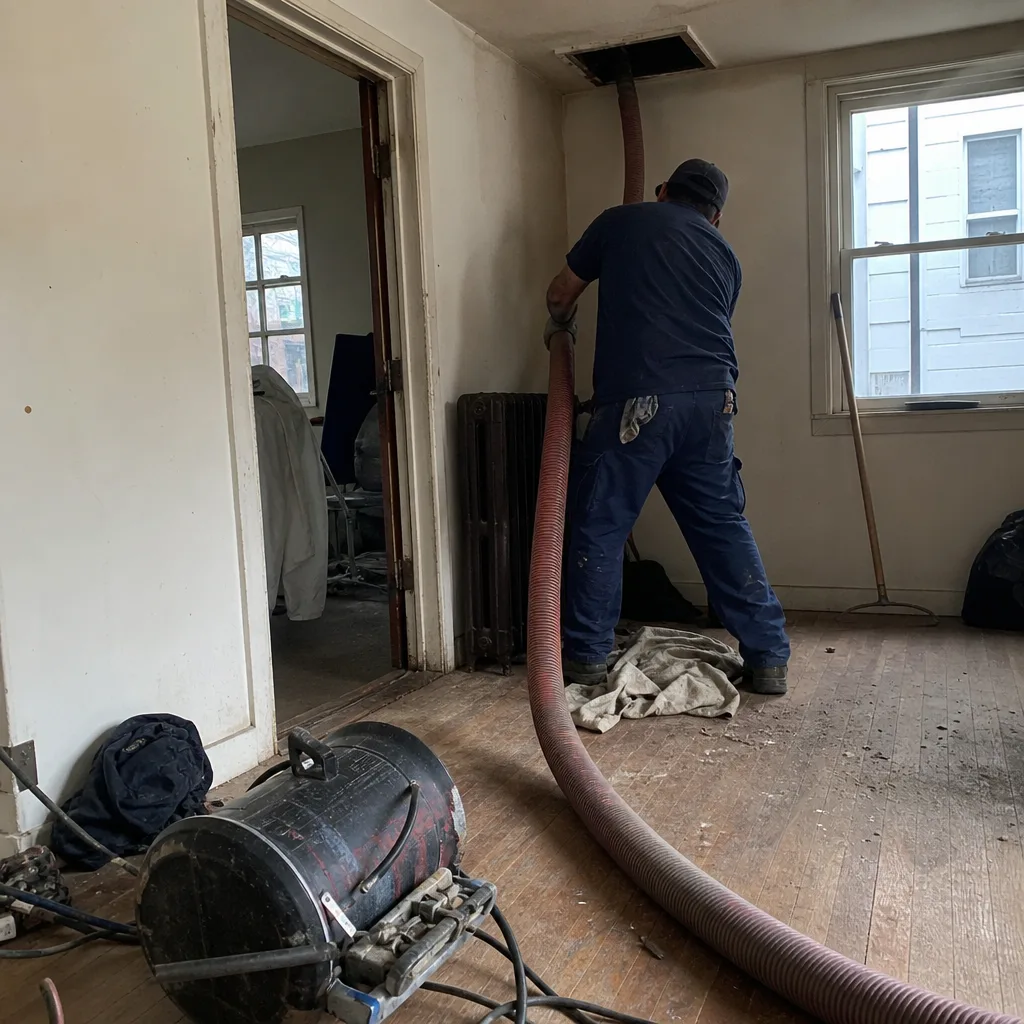 Before
 After
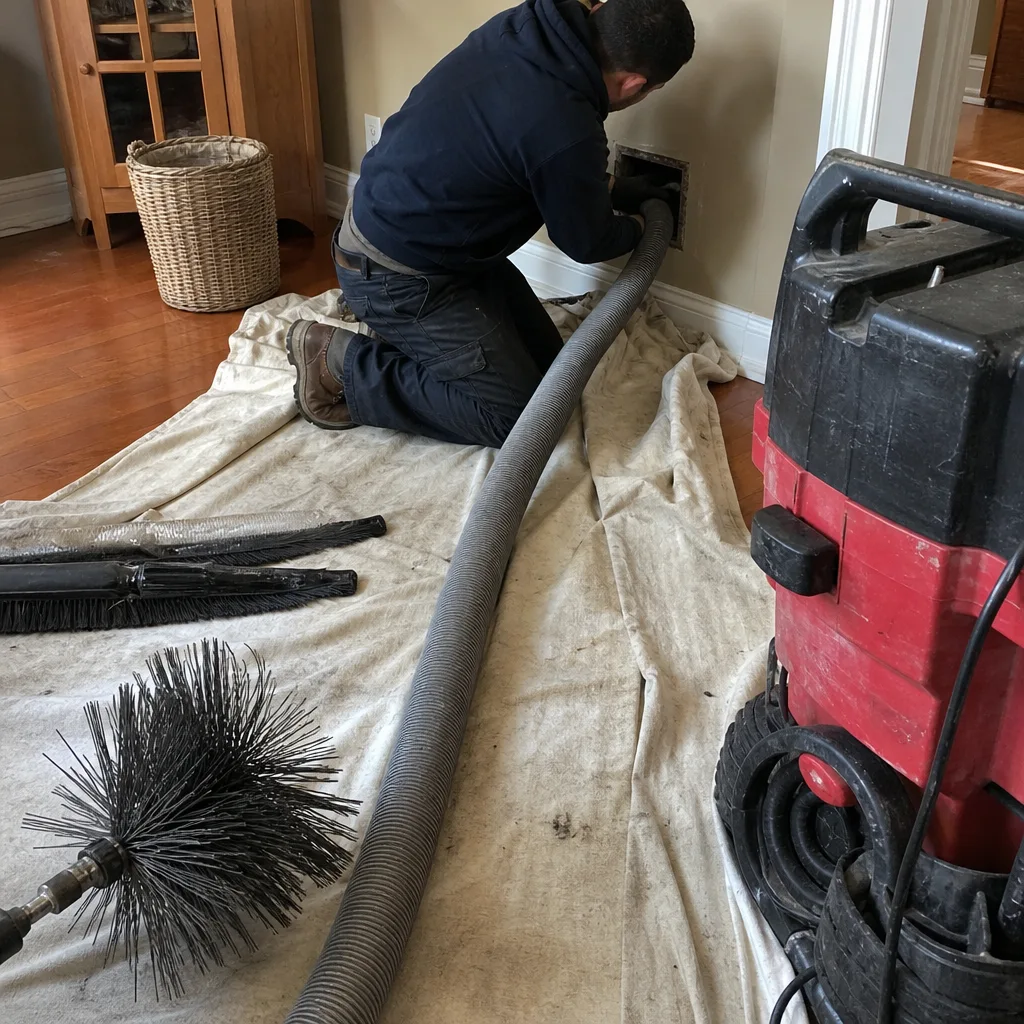 Before
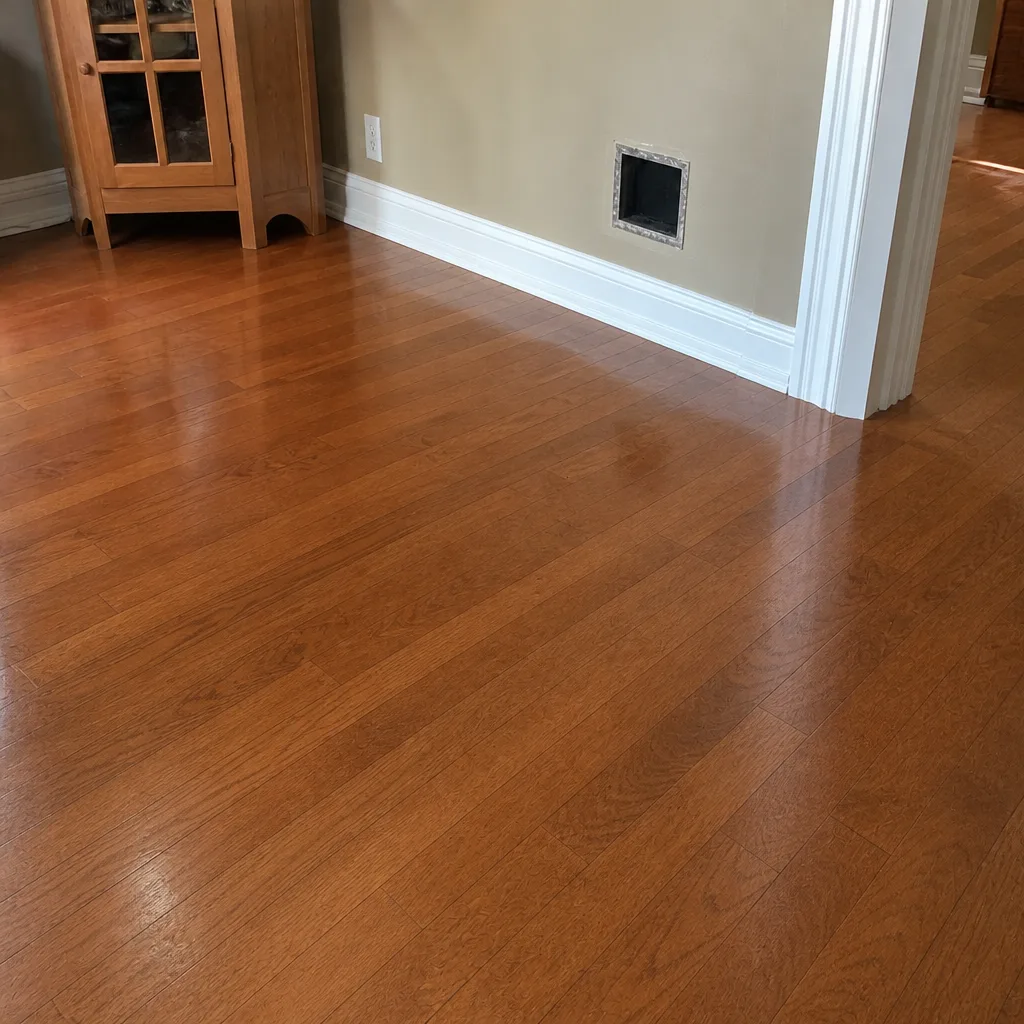 After
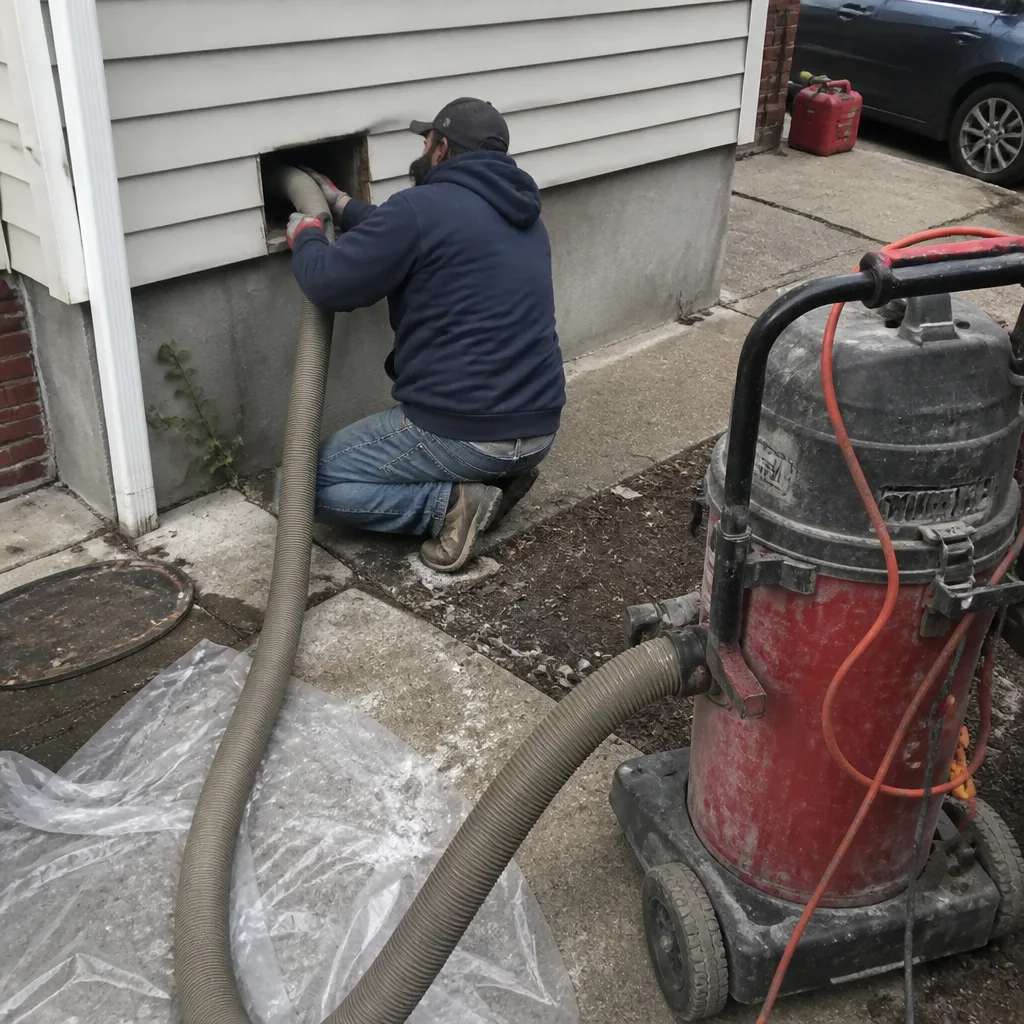 Before
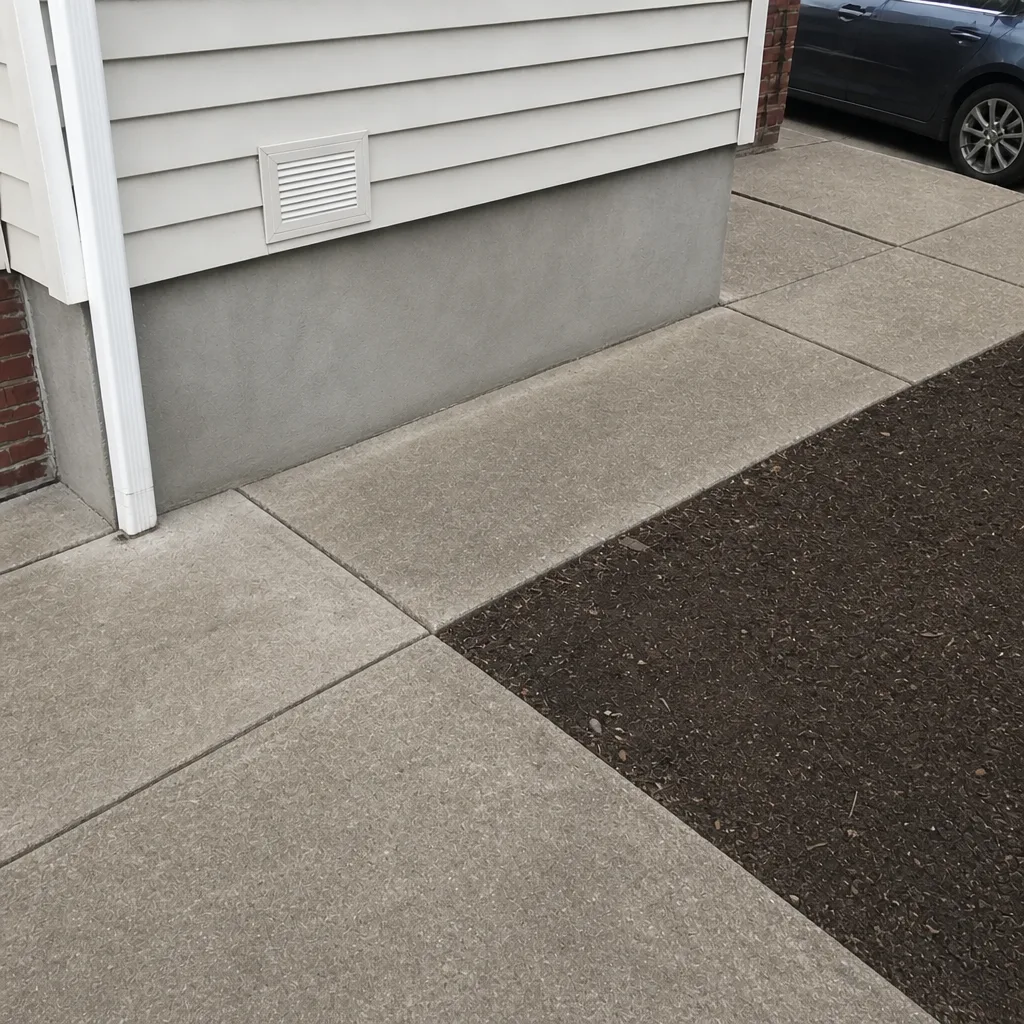 After
When to Call a Professional
Self-inspection handles most seasonal monitoring. The calls that shouldn’t wait fall into a specific set. If you notice an ongoing damp odor at your registers that gets worse after a heating cycle, that’s a moisture signal worth professional attention immediately. If visible duct wrap is cracking, sagging, or separating, that’s an Air Duct Repair job. If your dryer door is hot or your clothes take noticeably longer to dry, that’s a safety call, not a maintenance call. And if your energy bill has climbed season after season without an obvious explanation, the duct system deserves a professional inspection to rule out accumulation-driven airflow restriction.
Duct Cleaning Jersey City offers free estimates in Jersey City – call (844) 834-2949. We answer 24/7. Fast dispatch from 7am to 7pm, Sunday through Friday. Our technicians have up to 10 years of experience, and we use professional-grade equipment including Rotobrush and Nikro systems, Abatement Technologies air containment, and Guardsman products. For the full scope of what we offer in the city, visit our Jersey City service page.
Frequently Asked Questions
Twice a year is the practical answer for most Jersey City homes: an early-spring cleaning before the pollen surge and a pre-heating professional inspection in early fall. Spring handles the pollen contamination cycle, and fall handles the condensation residue left by summer cooling. Homes with pets, heavy occupancy, or older ductwork may need more frequent service; newer systems without obvious load can sometimes stretch to an annual cleaning. Call (844) 834-2949 for a free estimate – a technician can look at your specific system and recommend a cadence.
Spring is the fastest contamination quarter in Jersey City because the pollen load and the windows-open season overlap. Return grilles collect pollen rapidly, and if the ducts weren’t cleaned before the peak, the accumulated residue feeds into the rest of the year. Summer and fall carry their own loads, but spring is the highest rate of change. Cleaning before the spring pollen peak is the single best preventive step.
Winter forced-air heating dries the air inside your duct system, which changes how particles behave. Dry air keeps fine dust airborne longer, and continuous heating cycles re-entrain any loose dust sitting in the ducts into your living space more consistently. Loose insulation debris from worn duct wrap adds to that. The result is more visible dust on horizontal surfaces in January than in October, often without any change in your habits. Cleaning and duct repair, if wrap is compromised, reduces the source.
Yes, if the system has accumulated enough contamination that airflow is restricted. In summer, particulate and moisture bake onto cooling coil surfaces and reduce the coil’s ability to transfer heat, which makes the system run longer to hold the same temperature. A professional cleaning restores the coil and duct surfaces to a condition where heat transfer is closer to design, which reduces runtime. The savings depend on how contaminated the system was to start. Free estimates are available by calling (844) 834-2949.
They’re separate services with different goals. Cleaning removes contamination; duct repair addresses compromised ductwork – failing insulation wrap, seam separation, or crushed duct runs. If your ducts have structural problems, cleaning one run while it’s losing insulation debris doesn’t actually solve the air quality issue. That’s why we offer Air Duct Repair as a standalone service. Call (844) 834-2949 and we can diagnose whether you need one or both.
We use Rotobrush rotary-brush systems and Nikro professional HVAC cleaning equipment, plus Abatement Technologies air containment units to keep fine particles from spreading during service. Consumer-grade vacuums can’t reach duct walls, can’t dislodge compacted summer particulate, and can’t contain what gets released. If the quote sounds cheap and the equipment list sounds short, the service is doing less than the job requires. Ask a company what they bring to the job. Call (844) 834-2949 to discuss what our service includes for your home.
The Bottom Line
Seasonal duct care in Jersey City isn’t complicated, but it does require paying attention to the right moments. Two professional service windows – early spring before the pollen surge, and early fall before the heating season – do most of the work. Between them, monthly register checks, filter changes, and attention to winter insulation problems hold the line. The seasons do different things to your ductwork, and the equipment that meets those different demands is professional equipment, not consumer tools. Rotobrush, Nikro, Abatement Technologies, Aprilaire, and Honeywell are the brands behind a service that matches what each season actually requires.
Ready to get your seasonal duct care on the calendar? Call (844) 834-2949. We answer 24/7. Fast dispatch from 7am to 7pm, Sunday through Friday. Free estimates and a written, per-system price agreed before any work starts. For everything we offer in the city, visit Jersey City or start at Duct Cleaning Jersey City.
Written by the team at Duct Cleaning Jersey City.
Written by the team at Duct Cleaning Jersey City.