
Last updated November 15, 2026
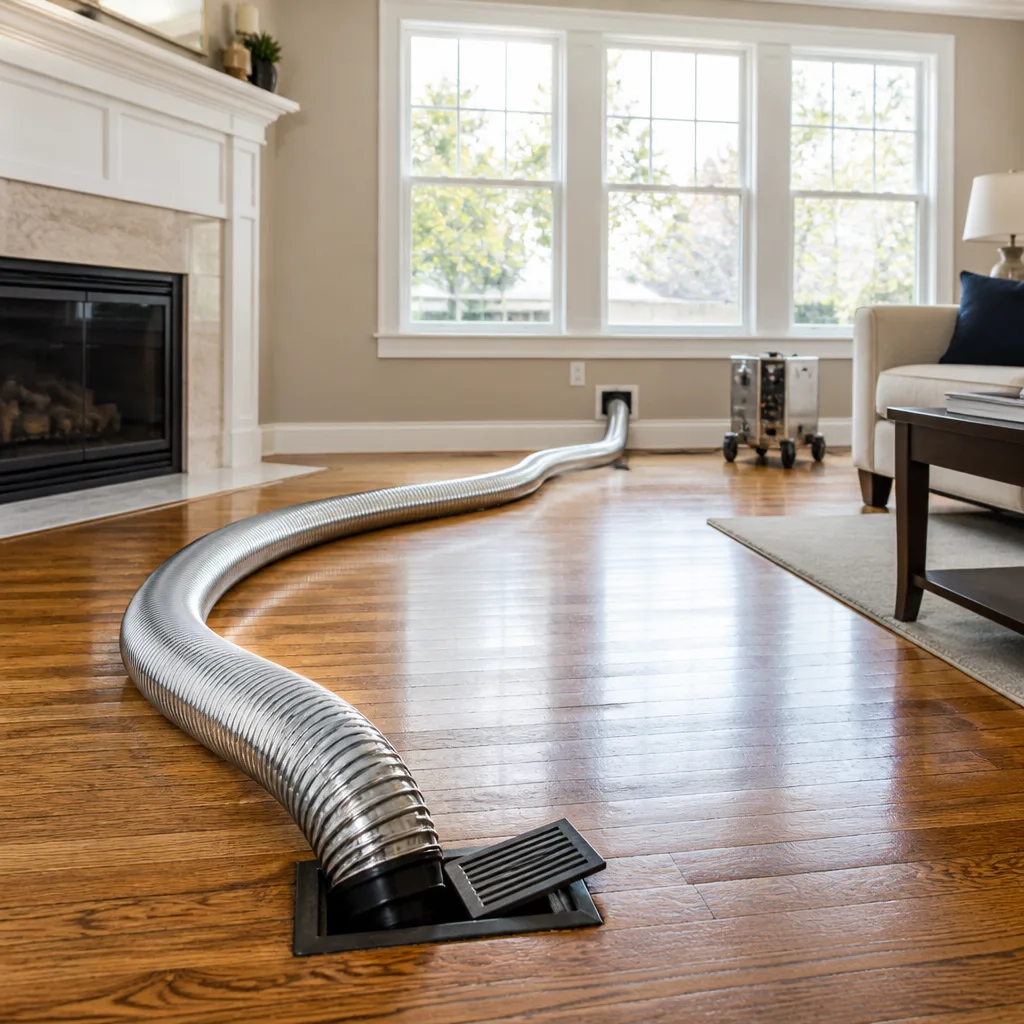 Whole-home duct cleaning
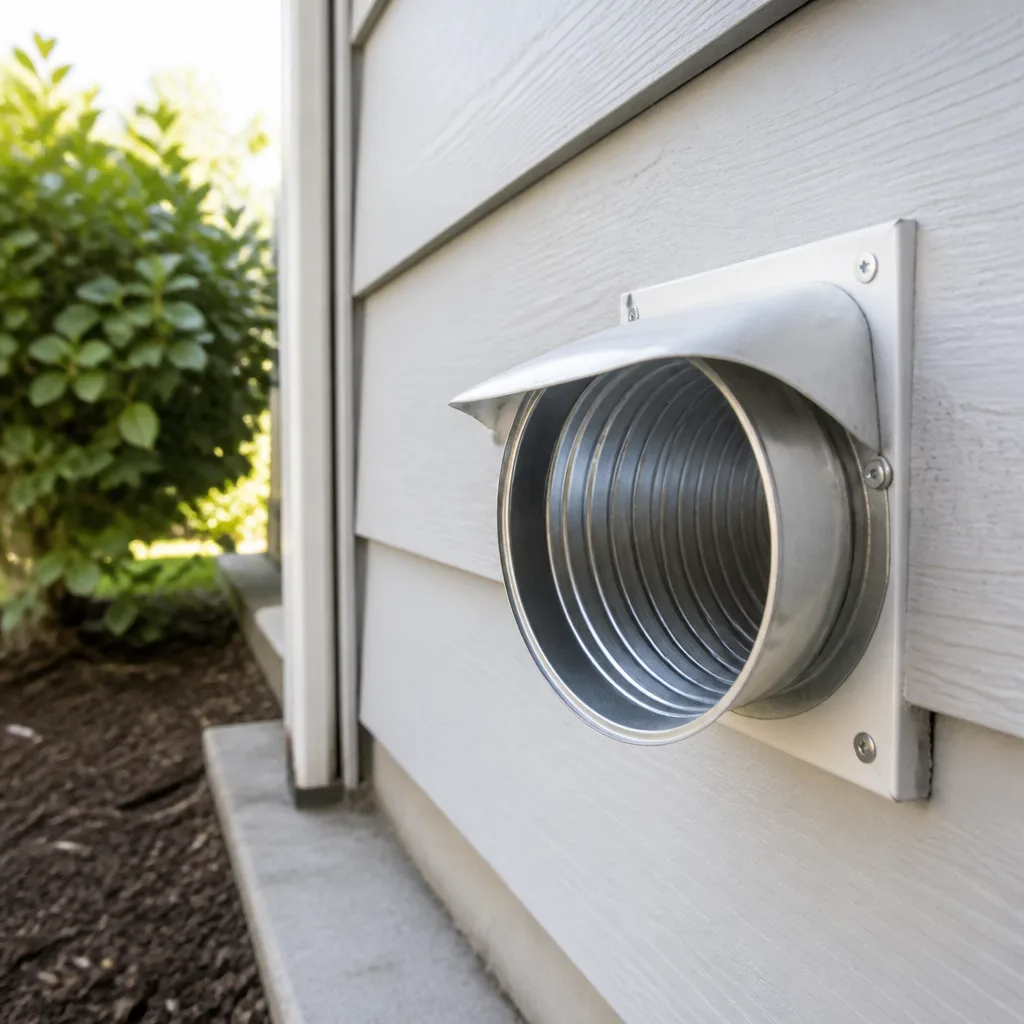 Dryer vent cleaning
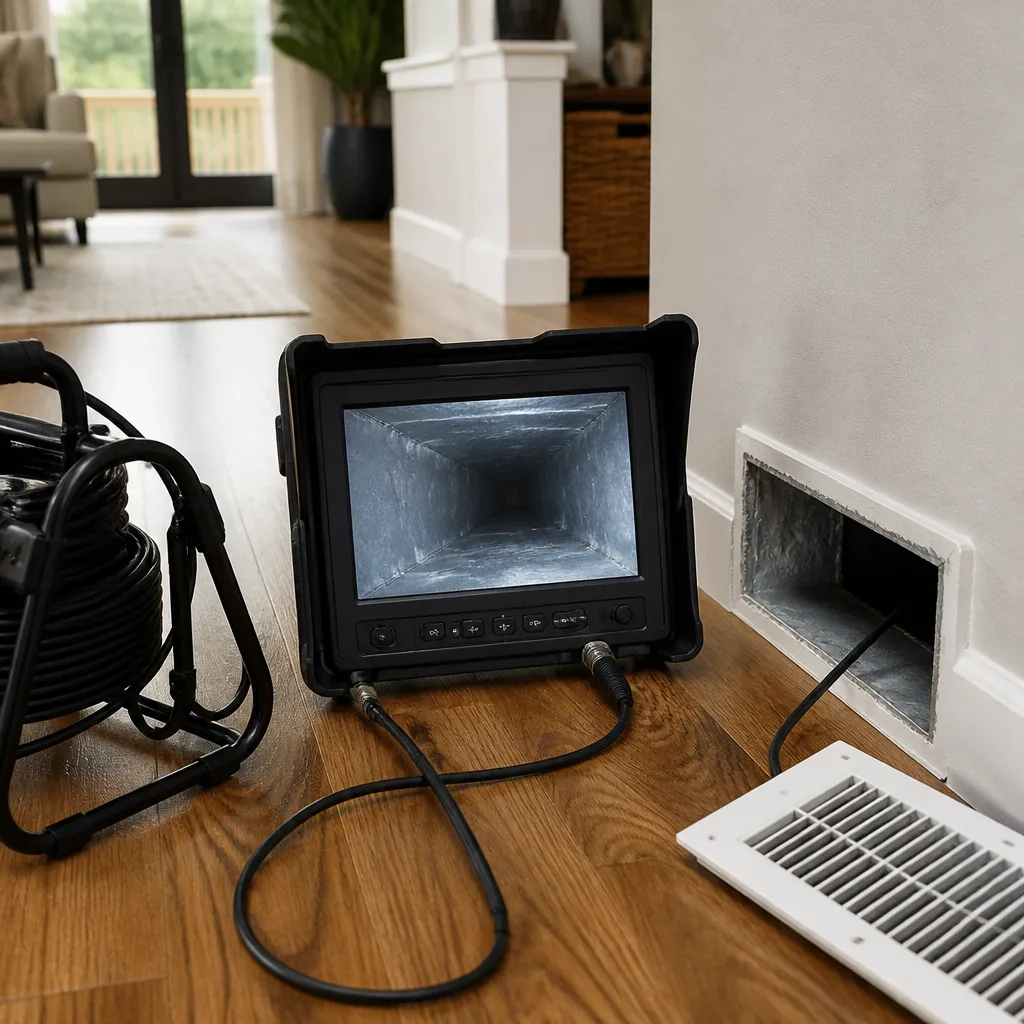 Camera inspection
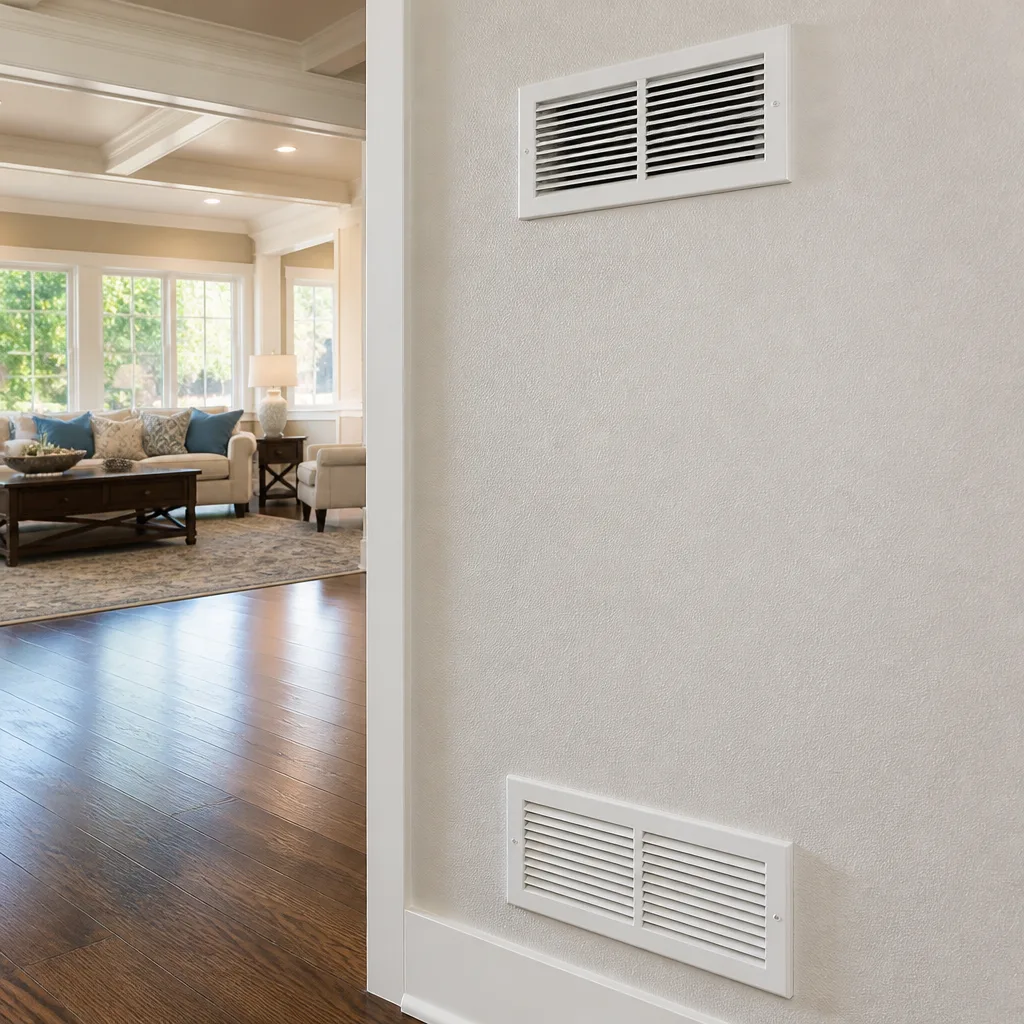 Sanitizing & deodorizing
Whole-system duct and dryer vent check with before-and-after photos - you see exactly what came out of your vents
That "$99 whole-house special" is a bait ad - the real number appears once they are in your hallway, or the "clean" is a shop-vac at the register. We photograph the inside of your ducts before and after instead.
Air Duct Cleaning Maintenance Checklist for Jersey City Homeowners
Changing your MERV-8 filter on schedule while a flex duct run in the basement has collapsed is like rotating the tires on a car with a bent axle. The ritual feels like maintenance. The actual problem keeps getting worse. Most homeowners in Jersey City are diligent about the part of the system they can see and reach, and blind to the part that decides whether the air in the house is clean. This checklist is built to change that. It gives you a technician’s eye for the signals that matter between professional cleanings, with the checks that are specific to the housing stock you actually live in.
Quick Answer
A working air duct maintenance checklist for a Jersey City home means four things: a monthly visual inspection of accessible ducts and return chases, filter changes tied to the local air quality calendar rather than a fixed date, a written record of what your system looked like before and after each professional cleaning, and a clear list of red flags that mean you stop waiting for the next service interval and call someone now. The checklist below walks through each of those in the order a technician would.
Styles & brands we work with
- Whole-home duct cleaning
- Dryer vent cleaning
- Camera inspection
- Sanitizing & deodorizing
Table of Contents
- Why a Checklist Beats a Filter Reminder
- Monthly Visual Checks for Brownstones, Row Homes and Condos
- Duct Leakage vs. Contamination: Two Problems, Two Responses
- Seasonal Filter Logic and Jersey City’s Air Quality Calendar
- What to Document Before and After a Professional Cleaning
- The Dryer Vent Check Most Homeowners Skip
- Red Flags That Mean Call Now, Not Later
- How Often to Schedule Professional Cleaning
Why a Checklist Beats a Filter Reminder
A filter reminder tells you to buy a filter. A checklist tells you whether the system the filter protects is still intact. Those are different jobs, and in Jersey City’s older housing stock the second one matters more than most people realize.
Ductwork in this city rarely fails all at once. It degrades at the seams, at the joints where a flexible run meets a rigid trunk, and behind the grilles nobody unscrews. A filter catches particles. It does not catch a section of duct that has come apart in a wall cavity, and it does not catch the dust that settles in a low spot on a return chase because airflow there has dropped off. Those two conditions can exist in a house where the filter gets changed every 60 days like clockwork.
What a checklist gives you is a set of observable signals, checked on a schedule, that flag degradation before it turns into a call. Some of those checks are visual and take five minutes. Some require you to know what normal looks like for your building type. Brownstones, two-families and mid-rise condos each route air differently, and the places where problems hide are not the same in each.
We’ve spent enough time inside Jersey City buildings to know the difference between a system that just needs a cleaning and one that needs a repair first. That distinction is what this guide is built around. It’s also why we treat air duct cleaning and duct repair as two separate services rather than one blur. Cleaning a duct that’s leaking at a seam doesn’t fix the leak. It just cleans the leak.
Monthly Visual Checks for Brownstones, Row Homes and Condos
Set aside fifteen minutes once a month. These checks don’t require tools beyond a flashlight and a screwdriver for grilles you can safely remove. They do require you to know where your system’s accessible points are, which is worth mapping once on a piece of paper and keeping with your home records.
- Look at every supply grille you can reach. A thin film of household dust is normal. A visible dark ring around the grille edge, or dust that streaks outward from the louvers, suggests air is being pushed through a gap rather than out of the register.
- Check the return air grilles and chases. Return chases in brownstones and older row homes often run through interior wall cavities and are the hardest part of the system to see. Remove the grille if it lifts safely and look at the first foot of the chase with a flashlight. Heavy buildup on the chase walls, not just the grille face, is a sign the chase is collecting rather than returning.
- Run your hand along accessible duct seams. In basements and utility spaces, where rigid trunk lines are exposed, feel for air moving at the joints with the system running. A seam that’s leaking air will feel cool or warm against your hand depending on the season.
- Check flexible duct runs for kinks and sagging. Flex duct should be supported and as straight as the run allows. A collapsed or sharply bent section restricts airflow to every register downstream of it.
- Smell the air at a supply register after the system has been off for a few hours. A musty or stale smell at startup points to moisture or biological growth somewhere in the system, and that’s a different problem from dust.
- Note the filter’s condition and the date you changed it. Write both down. A filter that loads up in three weeks instead of three months is telling you something about the system, not the filter.
Two-family buildings in Jersey City deserve one extra check: confirm that each unit’s return system is actually separate. Shared or improperly tied return paths are common in converted buildings, and they move air, dust and odors between units in ways the occupants usually notice before anyone inspects the ducts.
Duct Leakage vs. Contamination: Two Problems, Two Responses
These get confused constantly, and the confusion costs homeowners money in the wrong direction. Leakage is a mechanical failure. Contamination is an accumulation problem. One is fixed with sealant, mastic or replacement duct sections. The other is fixed by cleaning. A system can have both at once, and often does, but the responses are not interchangeable.
How to tell them apart
Leakage shows up as air where air shouldn’t be. You’ll feel it at a seam, hear a whistle at a joint, or notice that one room never gets enough conditioned air no matter what you do with the dampers. There may be a pressure difference you can feel at a closed door. The duct itself may look perfectly clean on the inside while still leaking at every joint.
Contamination shows up as material where material shouldn’t be. Dust, debris, lint and in some cases biological growth accumulating on duct surfaces. The system may hold pressure fine and still be distributing that material into every room. If your filter loads fast and the registers dust over within days of cleaning, contamination is the likelier culprit.
Why the distinction matters
- Cleaning a leaking duct does not stop the leak, and a leaking duct will re-contaminate faster because it’s pulling unfiltered air from wall cavities or unconditioned spaces.
- Sealing a duct that’s full of debris traps the debris in place and can reduce airflow through the sealed section.
- If both are present, the correct order usually starts with an assessment of the duct structure, then repair or sealing where needed, then cleaning. We’ve seen this play out in Jersey City basement trunk lines where a single failed seam was pulling in years of dust from an adjacent crawl space.
This is the reason we offer duct cleaning in Jersey City with a repair service alongside it. If we find a compromised section during a cleaning, the fix is part of the same conversation rather than a separate discovery six months later.
Seasonal Filter Logic and Jersey City’s Air Quality Calendar
The “change it every 90 days” rule is a starting point, not a schedule. In Jersey City, what the filter is actually catching changes with the season, and the filter rating that makes sense in April is not the same one that makes sense in July.
Spring: pollen peak
Spring pollen loads are heavy in this region, and a standard low-MERV filter will load up faster than the calendar suggests. If anyone in the household deals with seasonal allergies, this is the season to move to a higher MERV rating, provided your system’s blower can handle the added resistance. Check with your HVAC technician before jumping ratings, because a filter that’s too restrictive for the equipment does more harm than good.
Summer: wildfire smoke season
Smoke from regional wildfires has become a recurring summer feature across the Northeast, and it’s the season when filter choice matters most. Fine particulate from smoke is exactly what a higher-MERV filter is built to catch. During a smoke event, check your filter more often than usual and replace it when it’s loaded, not when the calendar says so.
Winter: inversion days and closed windows
Cold-weather inversion days trap pollution near the ground, and in winter the house is sealed. Whatever is in the ducts is being recirculated with no fresh-air dilution. This is the season when a clean system pays off most, and it’s the season when a dirty one is most noticeable.
A practical filter schedule
- Inspect monthly, replace on condition rather than only on a fixed day count.
- Step up the MERV rating in spring and during smoke events, then step back down if the system shows any airflow symptom.
- Keep a written log of installed date, MERV rating and replacement date. It’s the cheapest diagnostic tool you own.
- Buy filters in the size your system actually takes, written on the old filter’s frame. Guessing leads to gaps at the edges, and a filter with a gap is barely a filter.
What to Document Before and After a Professional Cleaning
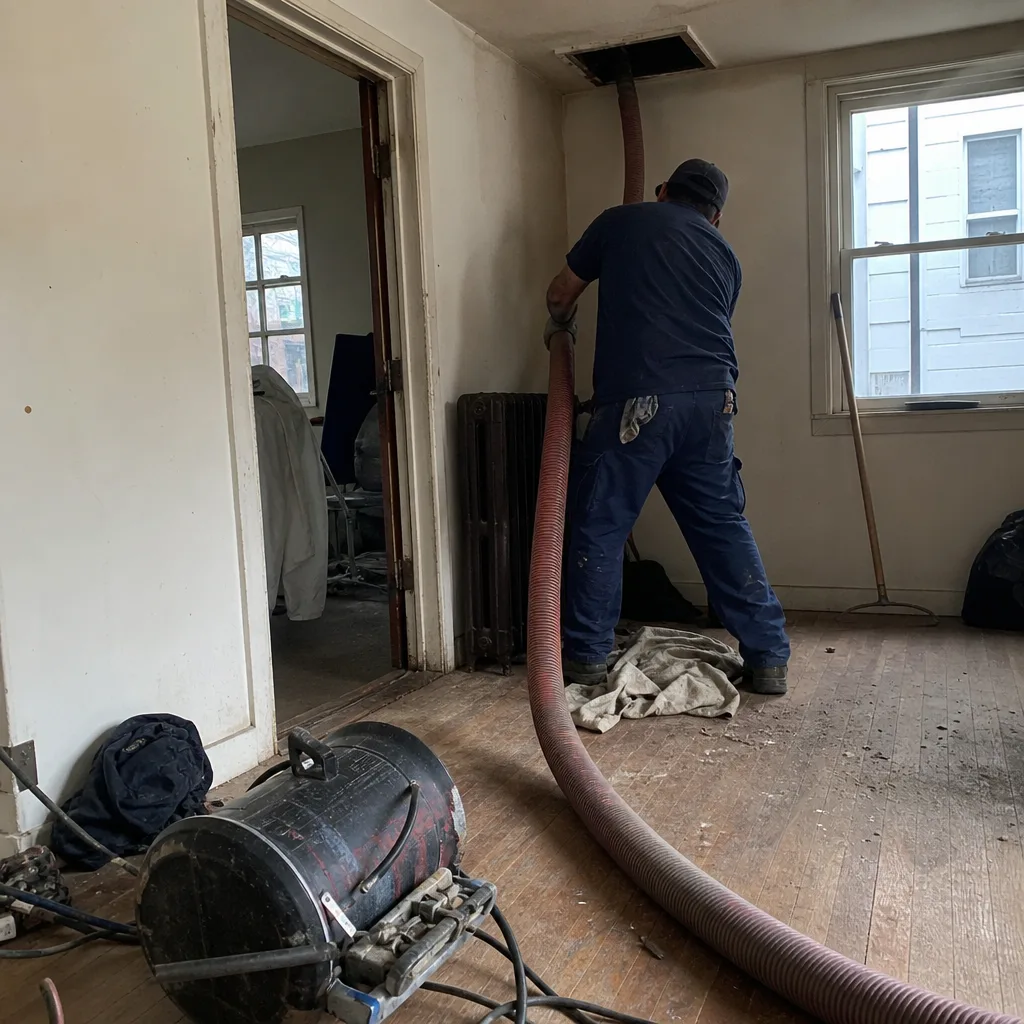
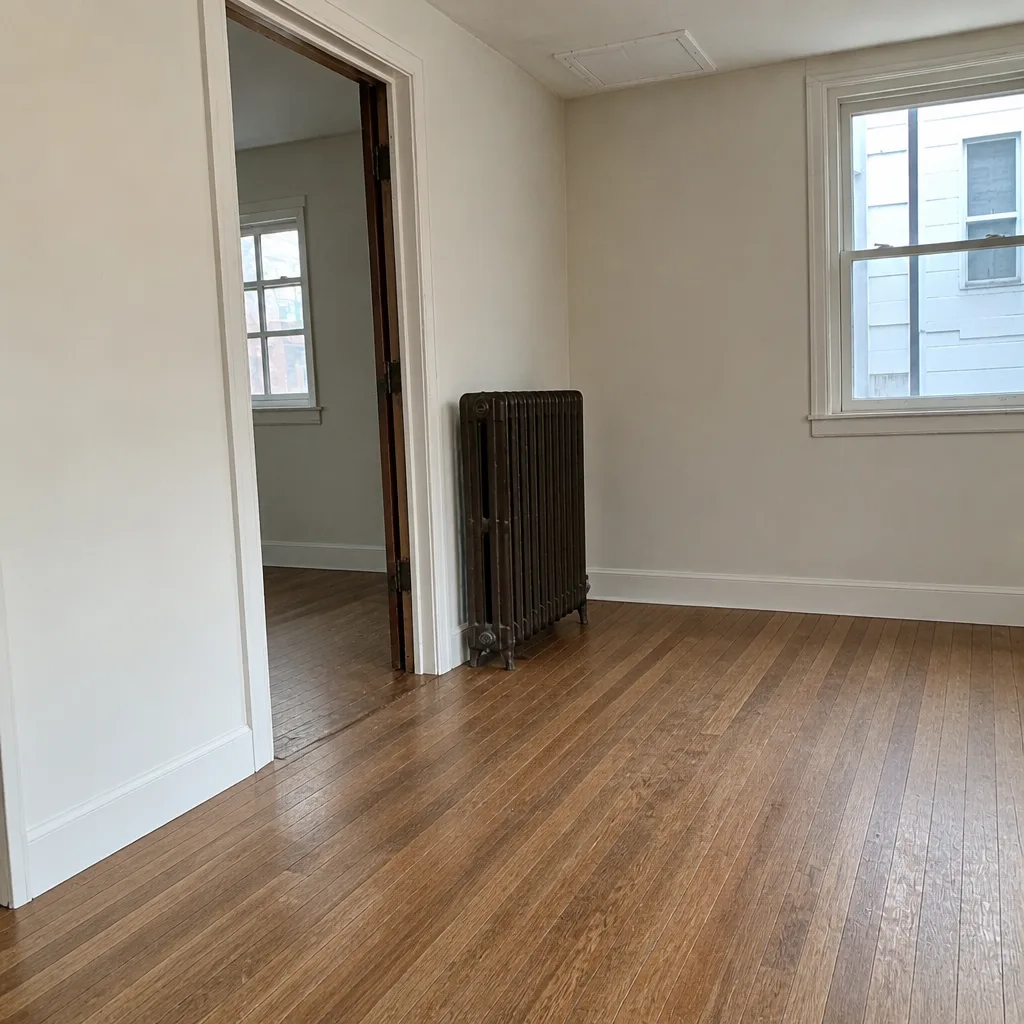
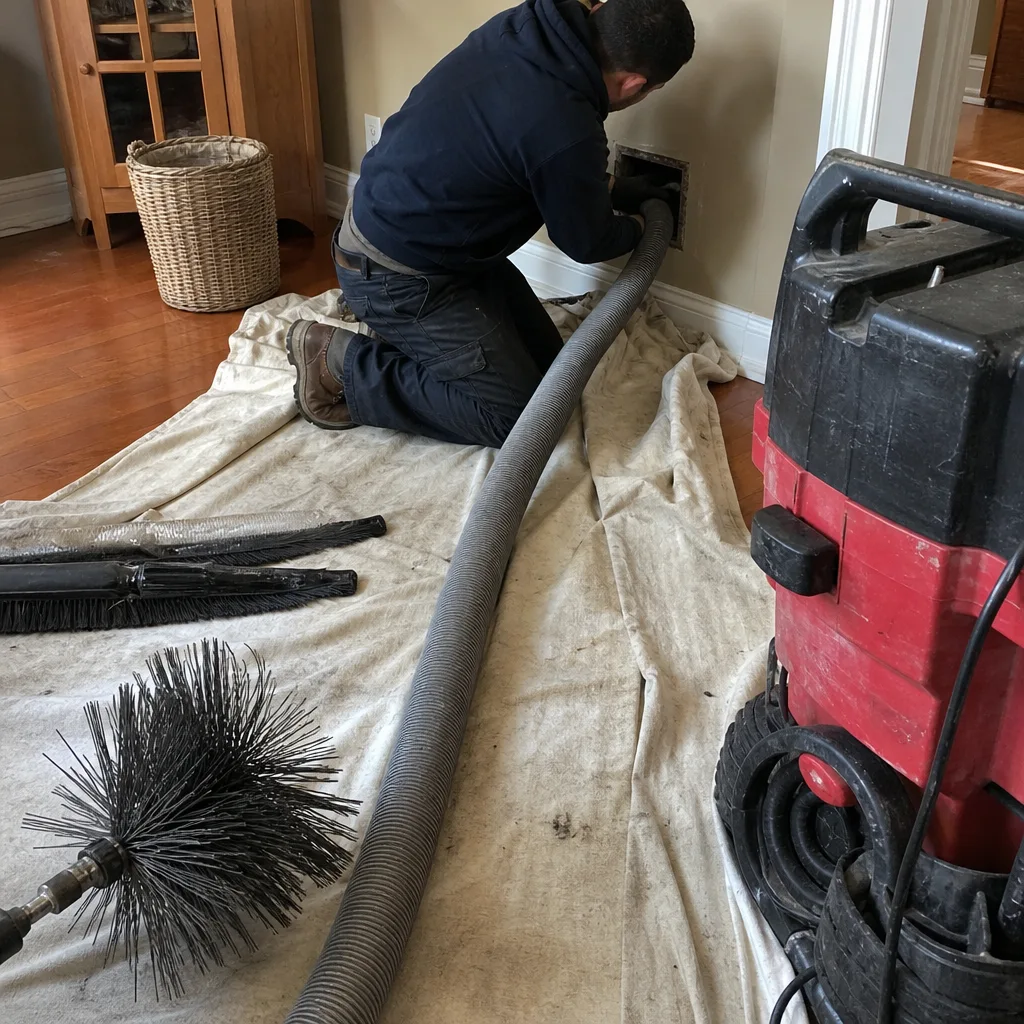
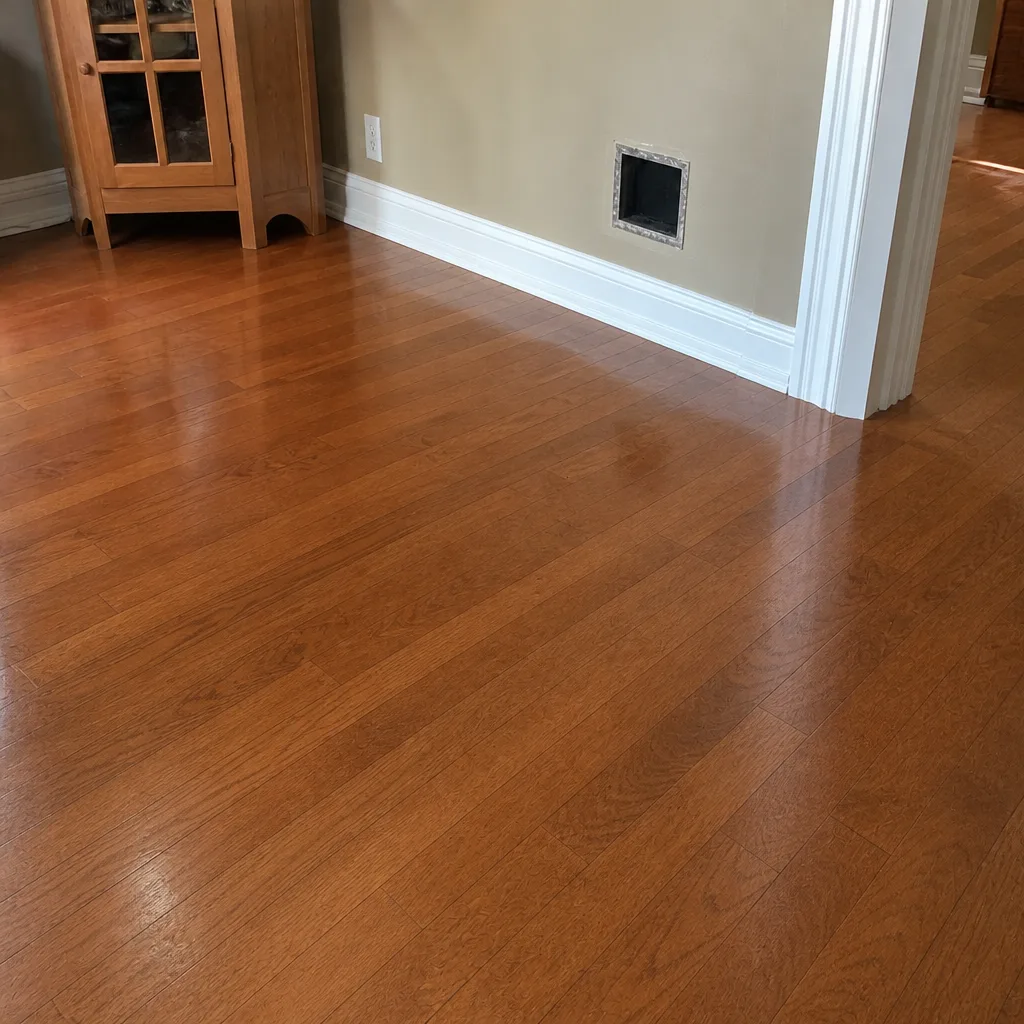
Documentation is the difference between maintenance and guesswork. If you don’t know what your ducts looked like after the last cleaning, you have no baseline for deciding when the next one is due. We photograph the inside of every system before and after we work on it, and we’d encourage you to keep your own record alongside ours.
Before the cleaning
- Photograph each supply and return register, grille removed, with a flashlight angle that shows the first section of duct.
- Write down the number and location of every register in the home. Note any you’ve never been able to reach.
- Record your last three filter change dates and the MERV ratings used.
- Note any rooms that are consistently warmer or cooler than the rest of the house.
- Note any odors at startup, and which registers they come from.
- Ask for the technician’s before photos of the trunk line and at least one return chase, not only the registers.
After the cleaning
- Repeat the same register photographs from the same angle. Same framing, so the comparison is honest.
- Record the date, the equipment used and whether any sections were sealed or repaired.
- Note whether any duct sections were flagged as damaged but not repaired, and get that in writing.
- File everything with your HVAC service records so it travels with the house if you sell.
This record does two things. It tells you and the next technician what state the system was in on a known date. And it tells you whether the last company actually did the work they billed for. A before-and-after photo set from your own home is the only documentation of that kind that means anything. It’s why we take ours and hand them over.
Containment during the cleaning matters as much as the cleaning itself, and it’s another thing worth asking about. We run Abatement Technologies equipment for air containment while we work, the same category of negative-air machine used in remediation. If a company can’t tell you what they use to keep dust out of your living space during the job, that’s a question with a telling answer.
The Dryer Vent Check Most Homeowners Skip
Your dryer vent is a fire hazard in waiting, and it’s the one part of the home’s airflow systems that gets ignored because it isn’t part of the HVAC system and doesn’t show up on a filter reminder. In older Jersey City buildings, dryer vent runs can be long, routed through interior walls, and in some cases connected in ways that were never intended for a dryer at all.
Add these checks to the monthly list:
- Look at the outside vent flap while the dryer runs. It should open freely with strong airflow. A flap that barely moves, or doesn’t move, means the run is restricted.
- Pull the dryer out if it’s safe to do so and check the transition duct behind it for crushing or lint buildup at the connection.
- Time a normal load. If drying times have crept up without a change in the load, lint accumulation in the run is the usual cause.
- Check for lint around the dryer’s lint trap housing. Lint escaping past the trap ends up in the run.
- Never run a dryer with a foil or plastic flexible transition duct that has kinked. Rigid or semi-rigid is the safer choice and the one a professional will recommend.
This is a maintenance item most homeowners in Jersey City never think about until something goes wrong, and it’s one of the three services we handle. Our dryer vent cleaning covers the full run, not just the transition behind the machine. If the run needs re-routing or repair, that gets flagged and addressed rather than cleaned around.
Red Flags That Mean Call Now, Not Later
Most of this checklist is about timing maintenance. This section is about the checks that stop being maintenance. If you find any of the following, don’t wait for the next scheduled cleaning.
- Visible biological growth inside a duct or on a register face. That’s a health and air quality concern and it needs professional assessment, not a filter change.
- A musty smell that gets stronger when the system runs. Odor that tracks with airflow is coming from the system, not the room.
- A duct section that has visibly come apart, collapsed or detached. This is a repair, and every day it runs is a day it pulls unfiltered air into the house.
- Pest activity inside the ductwork. Droppings, nesting material or evidence of rodents in a duct means the ductwork needs to be assessed and cleaned by a professional, and the entry point needs to be sealed.
- A dryer that takes far longer than it used to, or a vent flap that won’t open. Restricted dryer vents are a fire risk and warrant a same-week call.
- Filter loading in a week or two when it used to last months. Something upstream has changed, and it’s usually a duct problem rather than a filter problem.
- Any concern about carbon monoxide or combustion appliance venting. Stop using the appliance and call a qualified professional. Duct and vent work around combustion appliances is not a homeowner job.
One more, on the safety side. Duct and vent systems carry electrical components and in some cases connect to gas-fired equipment. If your checks take you anywhere near a gas line, a furnace heat exchanger or an electrical panel, stop. That work belongs to a licensed trade professional, and no maintenance checklist replaces that.
How Often to Schedule Professional Cleaning
There’s no single correct interval, and any company that gives you one over the phone without seeing the system is guessing. What we can give you is the set of factors that push the interval shorter in a Jersey City home.
- Recent renovation or construction. Drywall dust and construction debris get into every return in the house. Clean after the work is done, not before.
- Pets in the home. Pet dander and hair load the system faster than anything else on this list.
- Smokers in the home. Residue accumulates on duct surfaces and doesn’t clear with filter changes.
- A history of moisture problems or water intrusion. Moisture in ductwork is the condition that turns dust into a biological problem.
- A building that’s sat vacant. Vacant buildings collect quietly and often harbor pests.
- Long flex duct runs with multiple elbows. More surface area and more places to trap debris.
If none of those apply and your monthly checks are clean, a longer interval is reasonable. If two or more apply, shorten it. Either way, the decision should be based on what your checks and your photo record show, not on a mailer. When you’re ready, our Jersey City team can walk through what a full system assessment covers and give you a written estimate before any work starts.
Common Mistakes to Avoid
- Changing the filter and calling it maintenance. Filter changes protect the equipment. They don’t detect a collapsed duct run or a leaking seam, and those are the problems that actually degrade air quality.
- Judging duct cleanliness by the register grille. The grille face tells you almost nothing about the trunk line or the return chase behind it. Ask to see inside the duct itself.
- Skipping the return chases because they’re hard to reach. In brownstones and converted two-families, the return chase is often where the biggest accumulation is. Inaccessible isn’t the same as unimportant.
- Assuming a higher MERV filter is always better. A filter too restrictive for the blower reduces airflow and can cause its own set of problems. Match the filter to the equipment.
- Cleaning without repairing. Cleaning a duct that’s leaking at a seam means the debris comes back faster, and the leak keeps pulling in unfiltered air the whole time.
- Not asking for before-and-after documentation. If a company can’t show you photos of your own ducts, before and after, you have no way to verify the work.
- Ignoring the dryer vent because it isn’t the HVAC system. It’s the highest fire-risk airflow path in the home and it’s usually the most neglected.
See the difference
 Before
 After
 Before
 After
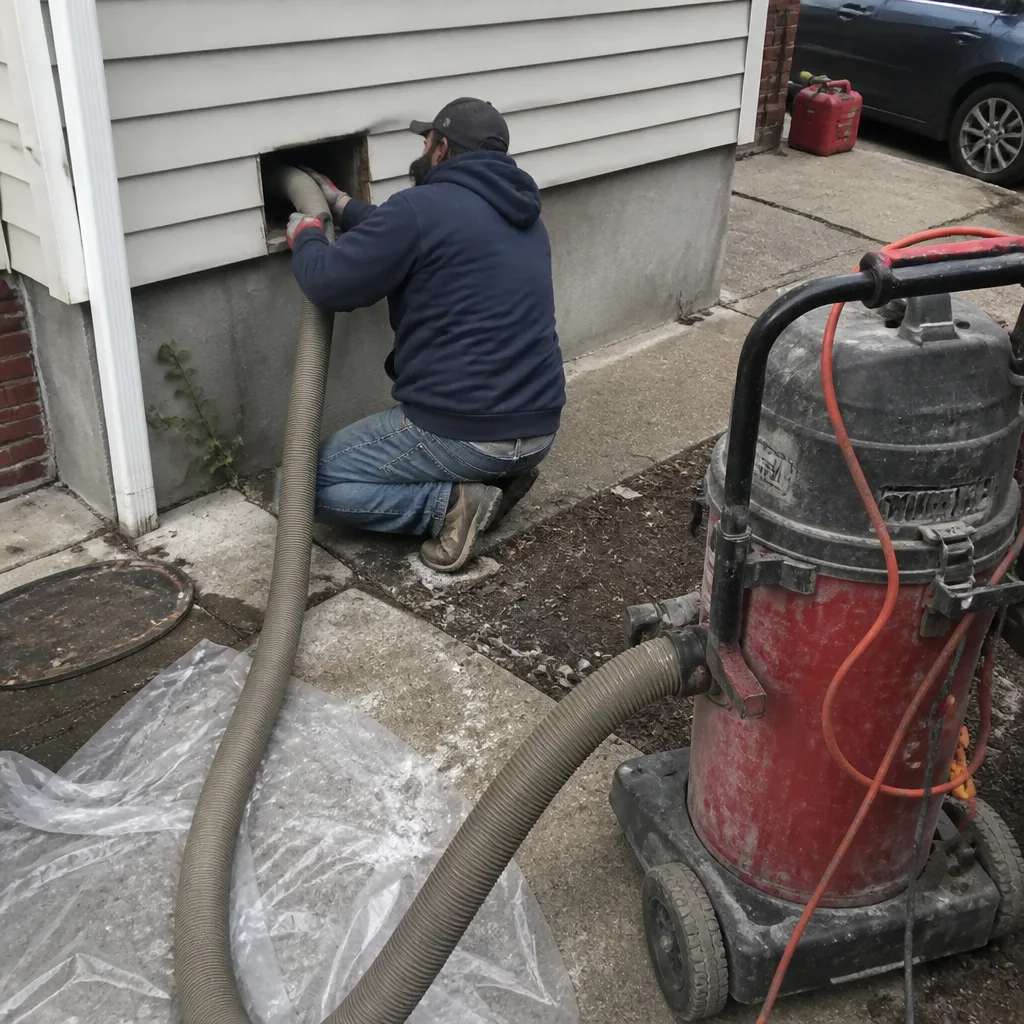 Before
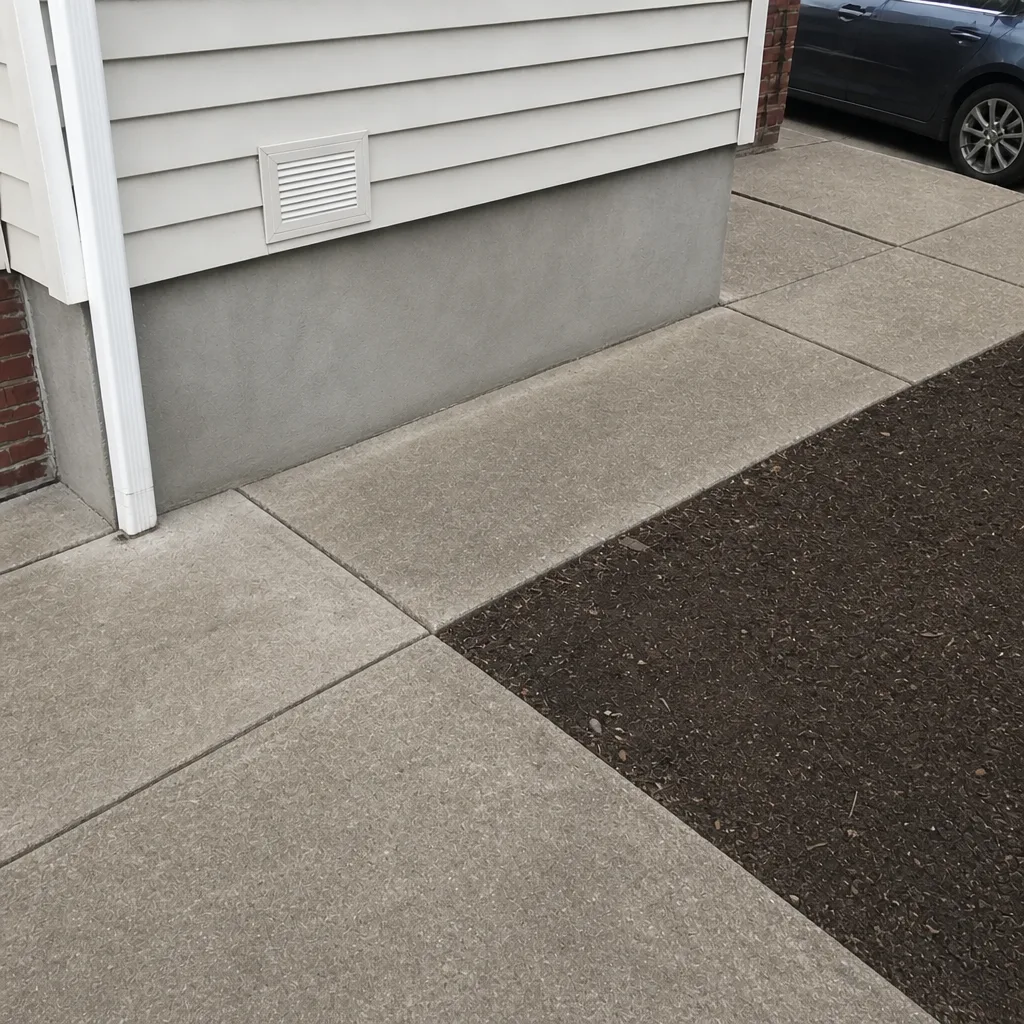 After
When to Call a Professional
Call a professional when any red flag on this checklist shows up, when your documentation shows the system degrading faster than the last interval suggested, or when you simply don’t have a baseline and want one. If you’ve moved into a Jersey City home and don’t know when the ducts were last cleaned, a first professional cleaning establishes the starting point your future checks depend on.
Call before a renovation, not after. Call if the dryer is taking longer than it used to or the outside vent flap won’t open. Call if you can feel air escaping at a duct seam or if any part of the system has come apart. Duct Cleaning Jersey City offers free estimates in Jersey City. Call (844) 834-2949. We answer 24/7. Fast dispatch from 7am to 7pm. The estimate is free, and the price is set per job in writing before any work starts.
We use Rotobrush rotary-brush systems and Nikro professional cleaning equipment, the tools the trade uses rather than repurposed consumer vacuums. Our technicians have up to 10 years of experience. If a cleaning turns up a repair, we handle it as its own service instead of leaving it for you to chase down.
Frequently Asked Questions
Most homes fall somewhere between every few years and a longer interval, depending on pets, renovations, moisture history and how the monthly checks read. There’s no universal number, and any company that quotes one without assessing the system is guessing. Use your checks and photo record to set the interval, and call (844) 834-2949 for a free estimate when you’re not sure.
No. Register grilles collect household dust whether or not the duct behind them is loaded, so the grille face is one of the least reliable indicators. The meaningful view is inside the trunk line and the return chase. Ask any company to show you before-and-after photos from inside your own ducts, and expect them to have them.
Cleaning removes accumulated material from the inside of a duct that is otherwise intact. Repair addresses duct structure, meaning seams that leak, sections that have come apart, crushed flex runs and detached connections. They’re separate services because they solve separate problems, and cleaning a damaged duct without repairing it gets you a result that doesn’t hold.
Usually because the scope is different, not the price. A quote built around cleaning registers only, using consumer-grade equipment, isn’t the same job as a full system clean with professional containment. Ask what equipment they use, whether the return chases are included and whether you’ll get before-and-after photos. When you’re weighing options, call (844) 834-2949 for a free written estimate you can compare line for line.
Yes, in practical ways. Brownstones and older row homes often have return chases routed through interior wall cavities with limited access, and converted two-families sometimes have return paths that aren’t cleanly separated between units. Mid-rise condos bring their own routing issues, and any work needs to fit building rules. A technician who knows the local housing stock checks those conditions before starting.
Stop using the system if the damage is significant, and get it assessed before running it further. A detached or collapsed run pulls unfiltered air from wall cavities or unconditioned space straight into the house, and every hour it runs adds to the problem. Duct Cleaning Jersey City offers free estimates for repair as well as cleaning. Call (844) 834-2949. We answer 24/7. Fast dispatch from 7am to 7pm.
The Bottom Line
Maintenance that works is maintenance built around detection, not habit. Change the filter on schedule, but check the ducts on schedule too, and know the difference between the leakage signs and the contamination signs. Brownstone return chases, two-family separation and long dryer runs are where Jersey City homes most often hide a problem. Document what your system looks like before and after every professional cleaning so the next decision is based on a record rather than a memory. Use the red flags list as your stop-and-call line. When you reach it, call (844) 834-2949 for a free estimate. We answer 24/7. Fast dispatch from 7am to 7pm, Sunday through Friday. Better air starts with the right equipment, and the right record.
Written by the team at Duct Cleaning Jersey City.