
Last updated November 15, 2026
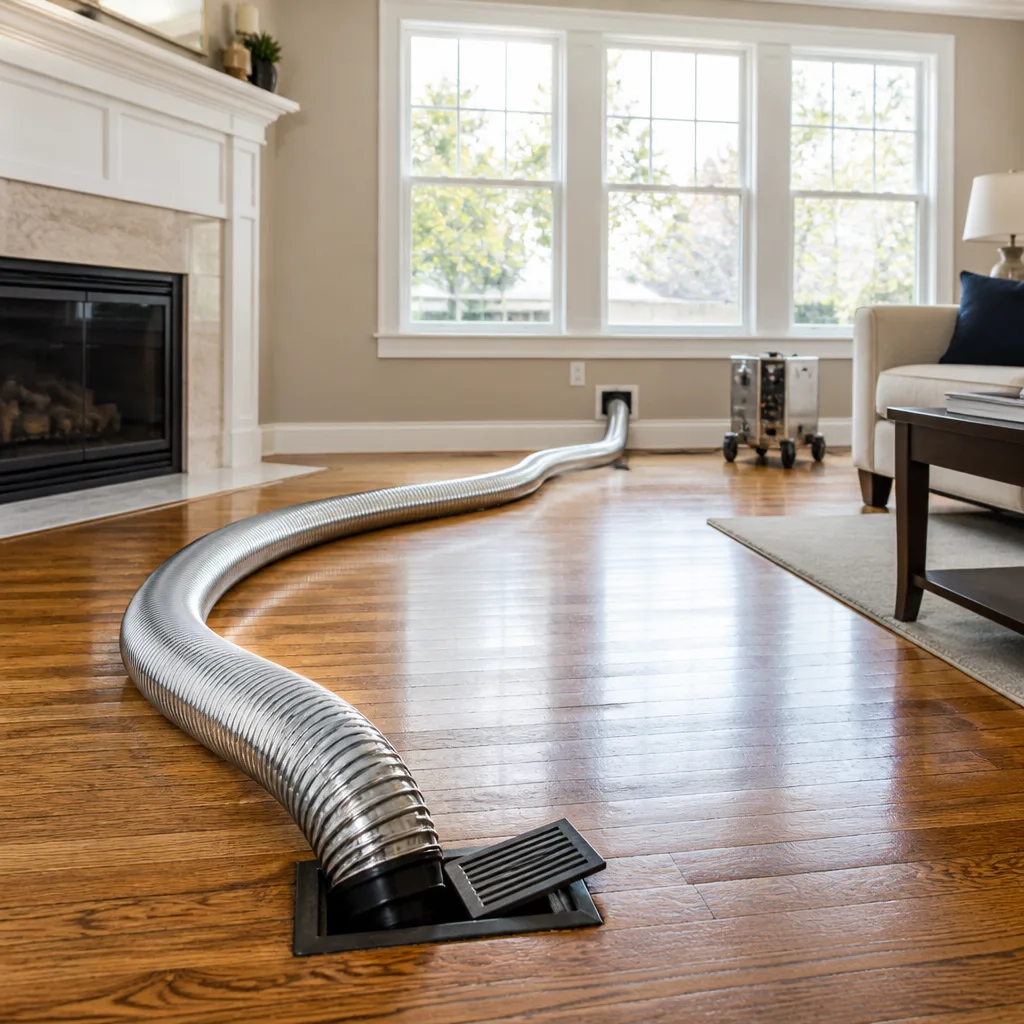 Whole-home duct cleaning
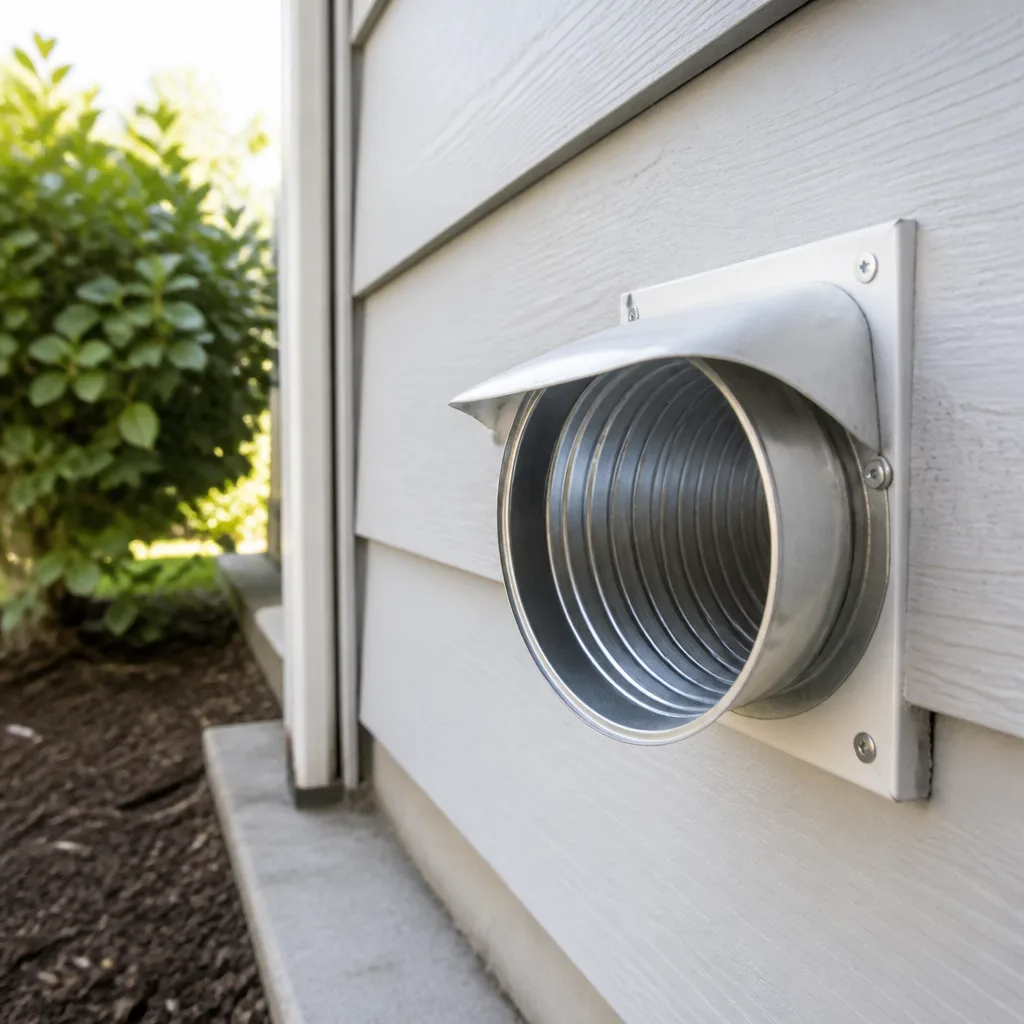 Dryer vent cleaning
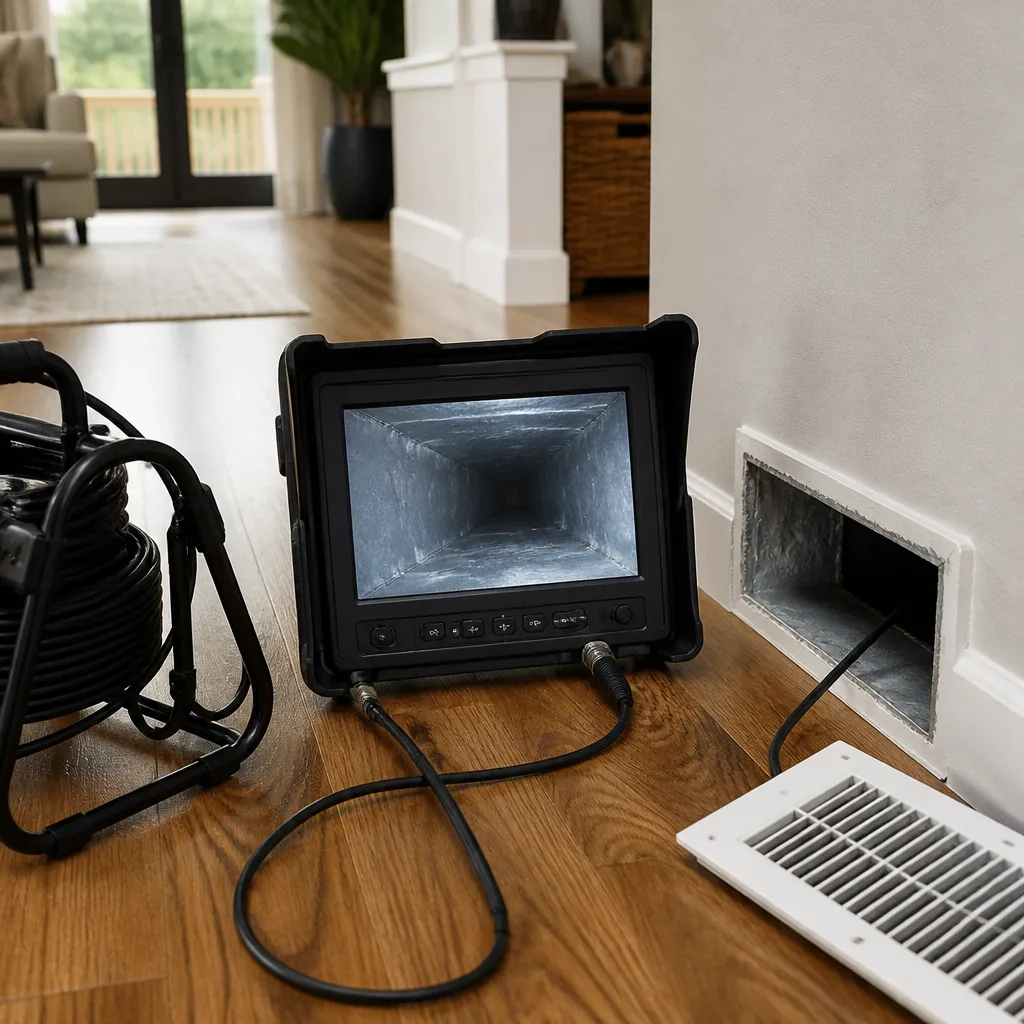 Camera inspection
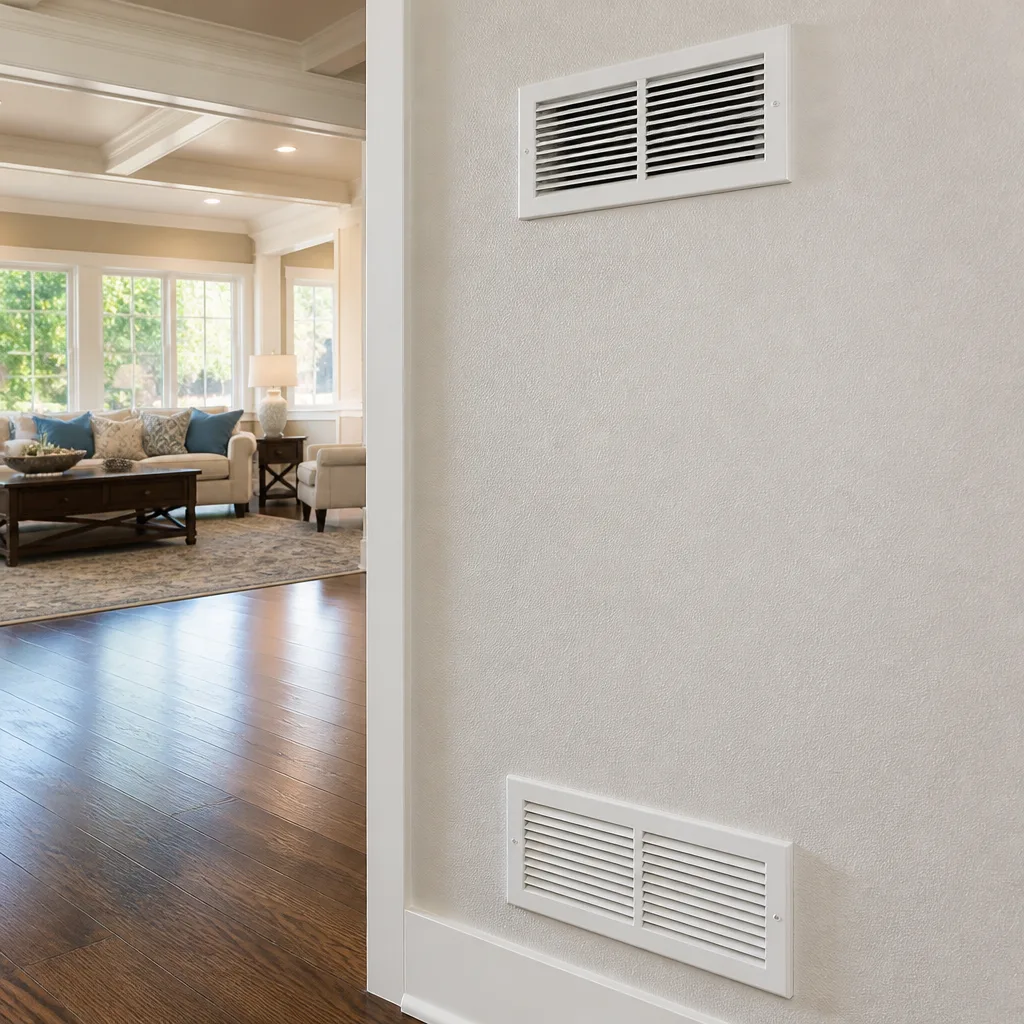 Sanitizing & deodorizing
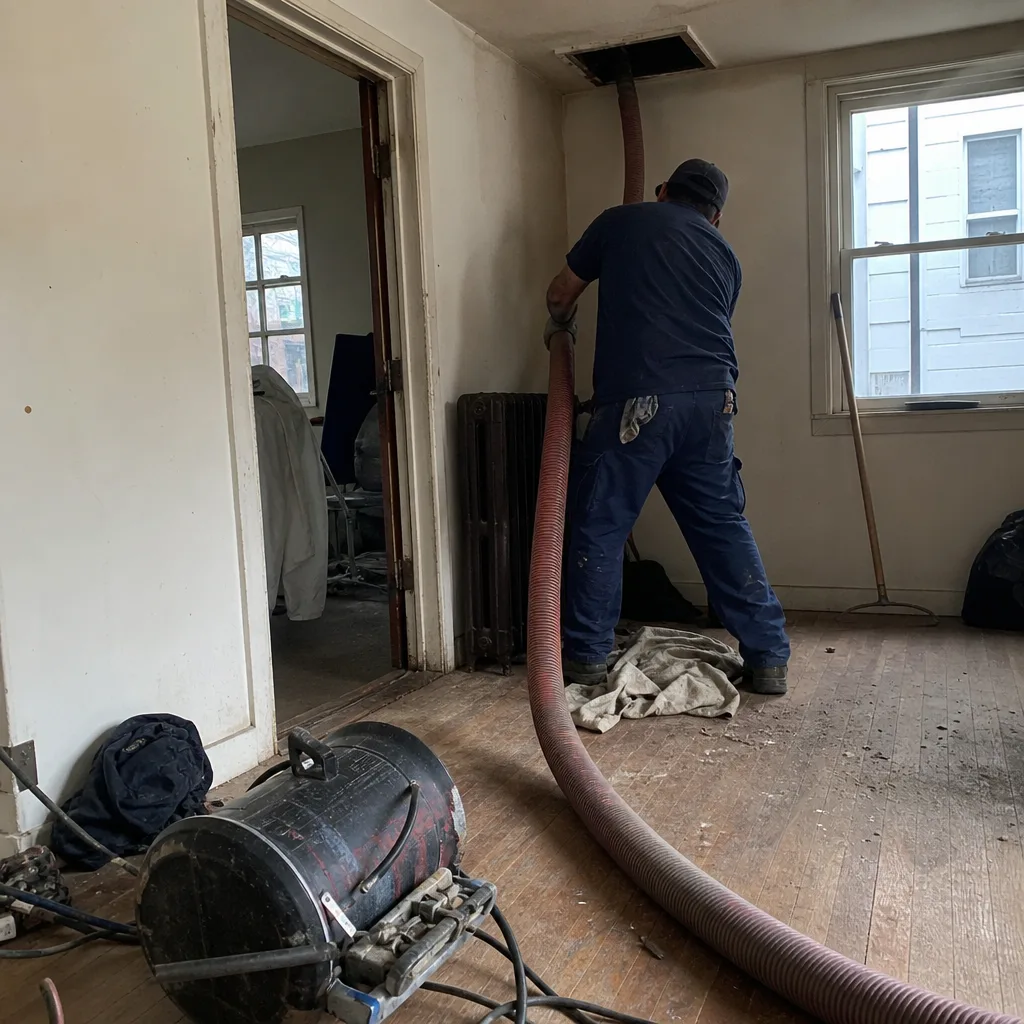
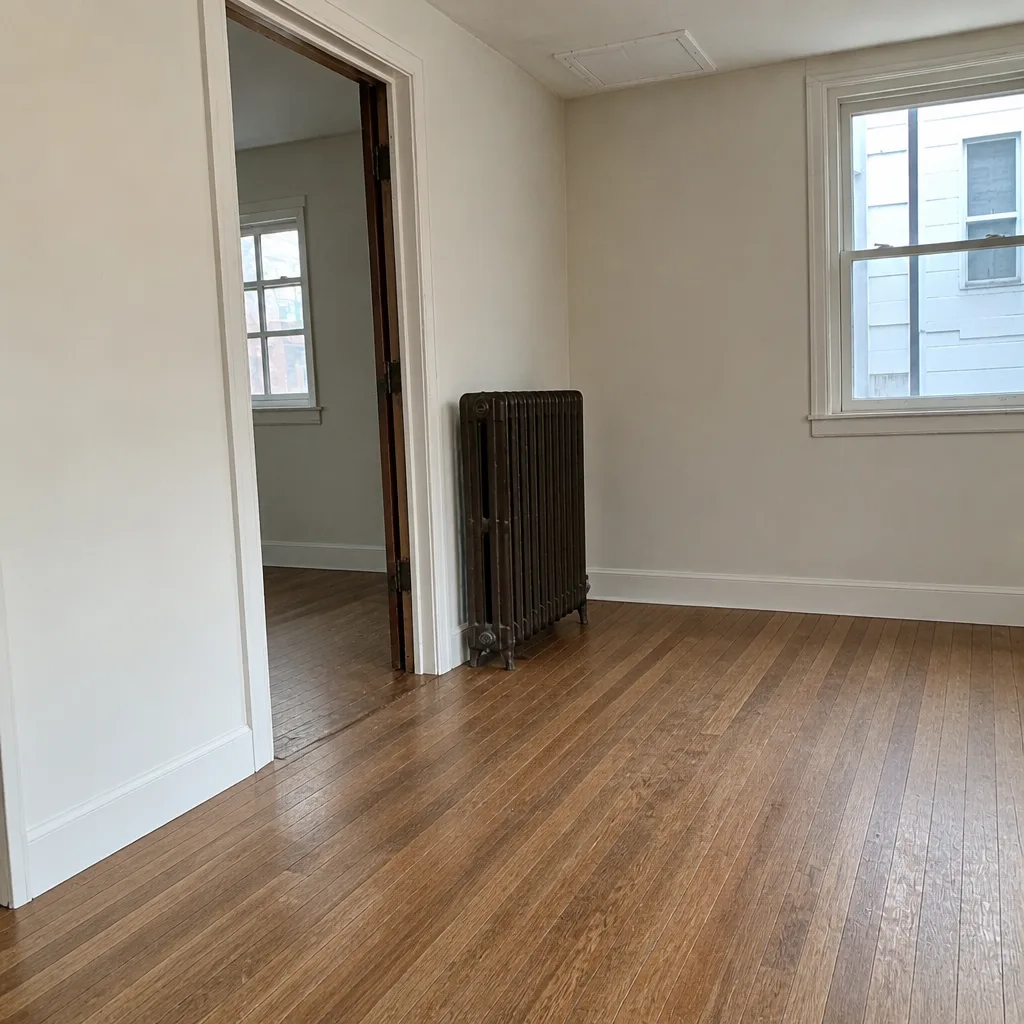
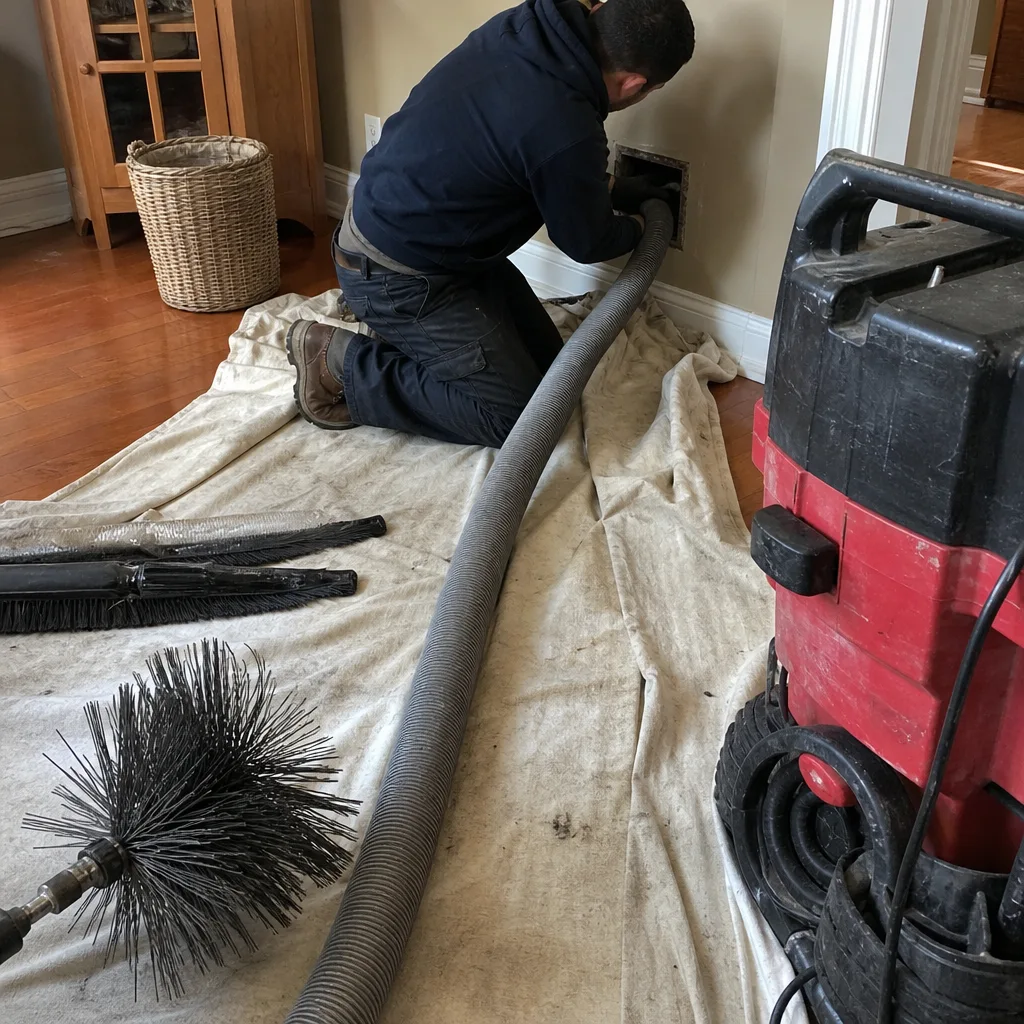
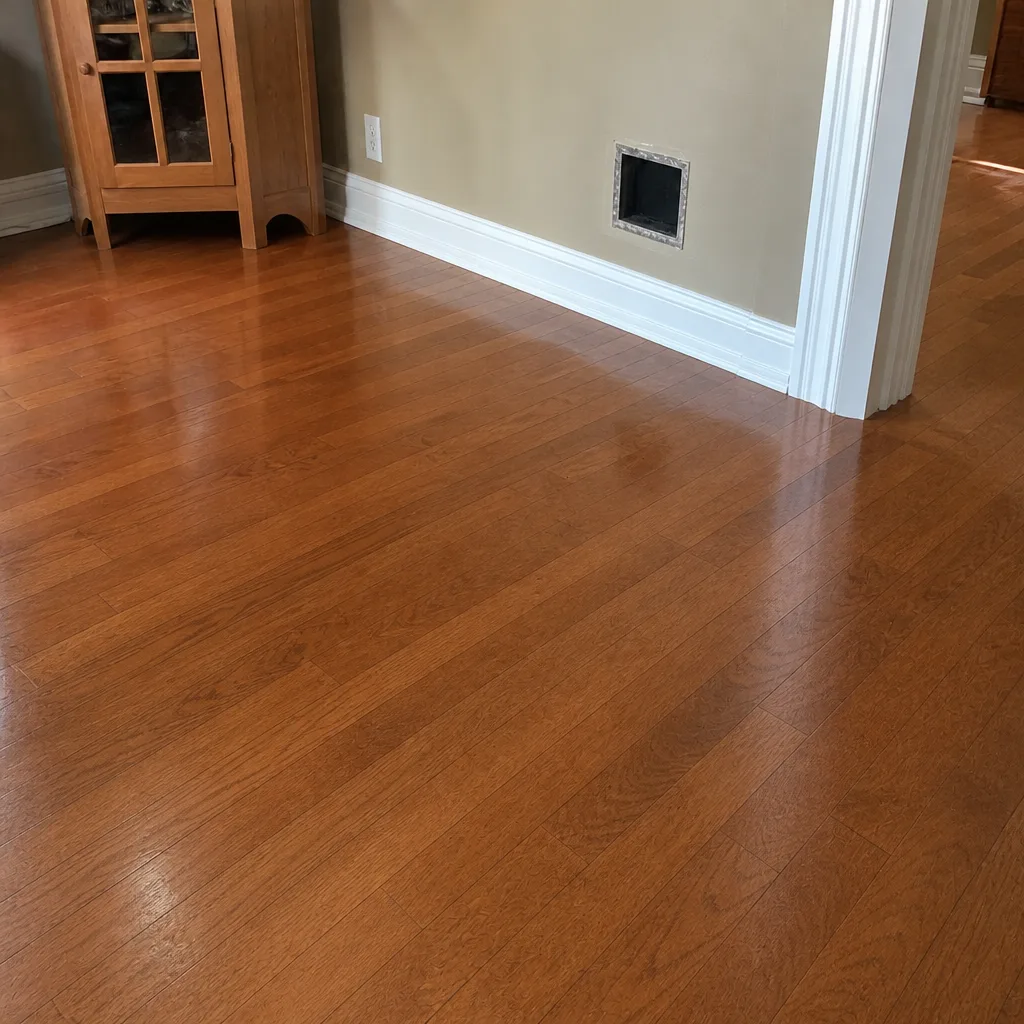
Whole-system duct and dryer vent check with before-and-after photos - you see exactly what came out of your vents
That "$99 whole-house special" is a bait ad - the real number appears once they are in your hallway, or the "clean" is a shop-vac at the register. We photograph the inside of your ducts before and after instead.
DIY vs Professional Air Duct Cleaning: The Jersey City Homeowner’s Decision Guide
A consumer drill-brush kit and a shop vac can reach the first three feet of duct behind each register. In a typical Jersey City row home, that’s roughly 15% of the duct surface area, and the other 85% sits untouched behind walls, above ceilings, and down long horizontal runs. You get clean-looking grilles and a system that still holds what it held before you started. This guide is about where that line falls. We’ll cover what a drill brush genuinely handles well, what requires 2,000+ CFM of negative pressure to do correctly, and why the housing stock in Jersey City makes the gap between the two wider than it is in the suburbs. Facts, not marketing from either direction.
Quick Answer
DIY air duct cleaning works for surface-level maintenance: register grilles, filter upgrades, and dryer vent lint removal. It cannot clean the duct interior itself, because that requires a rotary brush system paired with a vacuum source strong enough to hold the whole system under negative pressure while debris is loosened. In Jersey City’s row homes and brownstones, long horizontal runs and sealed vertical chases push the DIY ceiling even lower. Use DIY between professional visits, not instead of them.
Styles & brands we work with
- Whole-home duct cleaning
- Dryer vent cleaning
- Camera inspection
- Sanitizing & deodorizing
Table of Contents
- What DIY Duct Cleaning Actually Handles Well
- The Physics Problem: Why Negative Pressure Changes Everything
- Why Jersey City’s Row Homes and Brownstones Are a Harder Case
- The Hidden Risk in Older Jersey City Homes
- What a Professional Air Duct Cleaning Actually Involves
- DIY vs Professional: An Honest Cost and Value Comparison
- How to Use DIY to Extend Professional Service Intervals
- A Decision Framework for Your Specific Home
What DIY Duct Cleaning Actually Handles Well
Start with the honest part, because most guides skip it. There are real jobs a homeowner can do with rental or consumer equipment, and doing them well makes a professional visit more effective when it happens. Here’s what falls on the DIY side of the line:
- Register and grille cleaning. Pull the supply and return grilles, wash them in a tub, and dry them fully before reinstalling. This is visible dust you’re removing, but it’s real dust and it does affect how the system reads to your eyes and nose. Grilles are where most household dust complaints start.
- Filter upgrades. Replacing a thin fiberglass filter with a pleated filter of the right MERV rating for your system is one of the highest-return maintenance tasks in any home. Change it on the schedule your filter and system call for, and don’t overshoot the MERV rating your blower can handle.
- Dryer vent cleaning. This is the one airflow system a homeowner can genuinely maintain. Disconnect the vent at the dryer, clear the run to the exterior, and check the exterior flap for lint buildup. We take dryer vents as seriously as ductwork, and so should you.
- Visual inspection prep. Before a professional arrives, know what you’re asking about. Note which rooms feel dustiest, where return grilles are, whether the dryer takes two cycles to finish a load, and whether you’ve seen any disconnected flex duct in a basement or crawl.
- Keeping the return side clear. Furniture pushed against return grilles, rugs over floor returns, and boxes stacked in front of a basement return all starve the system. Move them and the airflow improves without any tool at all.
What’s missing from that list is the duct interior. That’s not because we’re selling something. It’s because the interior is a different problem than the surface, and it needs a different tool. For a fuller picture of what a scheduled visit looks like, the air duct cleaning service page covers the process end to end.
The Physics Problem: Why Negative Pressure Changes Everything
Professional duct cleaning works on one principle: source removal under negative pressure. You put the entire duct system under vacuum, then you mechanically loosen debris inside the ducts, and the vacuum carries that debris out of the system instead of into your rooms. The brush does the loosening. The vacuum does the removing. Neither works properly without the other.
The vacuum part is where consumer equipment falls off the map. A shop vac you’d rent from a hardware store moves somewhere in the range of 100 to 200 CFM. A truck-mounted or high-capacity portable duct vacuum moves 2,000 CFM or more. That’s not a marginal difference. It’s an order of magnitude. At 2,000 CFM, the vacuum is strong enough to keep the whole system pressurized while a rotary brush spins against the duct walls. At 150 CFM, you’re not creating meaningful negative pressure anywhere past the first few feet, and the brush you’re pushing into the duct is essentially redistributing what it loosens.
Consider what that means in practice. Picture the long horizontal run from a Jersey City row home’s air handler to the front bedroom. That run is 20 to 30 feet of duct between the equipment and the register, and the dust inside it has been settling for years. A drill brush on a flexible shaft reaches in a few feet and stirs the surface layer. The loosened material either falls back down, sticks to the walls behind the brush, or, worst case, drifts out the register if the system happens to kick on. Nothing is carrying it out of the system.
The rotary brush matters too, but for a different reason: agitation. Consumer drill brushes spin fast but have a small contact pattern and no way to reach duct walls consistently. Rotobrush rotary-brush systems are built to pull a full-diameter brush through a duct at controlled speed while the vacuum system holds the run under negative pressure. That combination is what makes cleaning thorough instead of theatrical.
Why Jersey City’s Row Homes and Brownstones Are a Harder Case
Walk through any of the neighborhoods in Jersey City, from the Heights down through Journal Square, and you’ll see the same housing archetypes: row homes, brownstones, and converted multi-family buildings. The duct layouts inside them share a set of features that push the DIY ceiling lower than it would be in a 1990s suburban ranch with a central plenum and short, straight runs.
- Long horizontal runs. Row homes are deep and narrow. Supply and return ducts run across the building rather than straight up from a central unit. A 25-foot horizontal run at 8 inches in diameter is not something a drill brush reaches in any meaningful way, and it’s where most of the surface area actually lives.
- Inaccessible vertical chases. Brownstones often push ductwork through sealed chases between floors. There’s no basement access, no attic access, and no way to pull a run apart for inspection. Pro cleaning relies on negative pressure applied at the air handler or at strategic access points, not on reaching the duct by hand.
- Mixed duct generations. Many Jersey City homes have been retrofit at least once. You might find old galvanized sheet metal in one section, flex duct added in a recent renovation in another, and a plenum that hasn’t been looked at since. Each material needs different treatment, and older ductwork may need repair before it needs cleaning.
- Conversions and multi-family layouts. When a single-family brownstone becomes a two- or three-unit building, ductwork often runs between units in ways the original design didn’t anticipate. Source-removal cleaning in these setups requires understanding which system serves which unit, and where cross-contamination could occur.
The upshot: a homeowner in a ranch home can reach perhaps a third of the duct surface with the right kit. In a Jersey City row home, the number falls closer to that 15% figure. That’s not a knock on the housing stock. It’s the consequence of a building type that was designed long before residential duct cleaning was a trade. When the duct layout itself is working against you, the equipment gap between a drill brush and a Rotobrush or Nikro system translates directly into how much of the system gets touched.
The Hidden Risk in Older Jersey City Homes
We’re not going to tell you DIY duct cleaning is dangerous in the way that a garage door spring or an electrical panel is dangerous. It isn’t. Nobody gets hurt running a drill brush into a supply duct. The risk is different, and it’s more interesting: it’s a redistribution problem.
In a home that’s been standing for decades, there’s a settled layer of debris in the ductwork that has taken years to accumulate. It’s dense, it’s fine, and it’s been sitting in place because nothing has disturbed it. From a contamination standpoint, that settled debris is doing less harm than you’d think. It’s when you agitate it without a source-removal vacuum behind it that things change.
Loosen that material with a consumer drill brush and you’ve made it airborne inside the duct. It has nowhere to go but into the living space. The next time the blower kicks on, some of it filters through registers into rooms where people sleep, eat, and work from home. That’s the redistribution risk. Professional cleaning handles it with containment: an Abatement Technologies negative-air setup holds the work area and the ducts under pressure and collects the loosened debris instead of letting it drift into nearby rooms. It’s the same category of containment used in remediation work, and it’s the part that DIY simply can’t replicate with a shop vac at a register.
Older homes also come with complications that make agitation riskier. Some Jersey City row homes still have sections of ductwork that were retrofit in ways that left seams, unsealed joints, or disconnected flex runs. Agitating debris through a system with a disconnected joint pushes it into a wall cavity rather than into a filter. Professional technicians find that sort of thing before cleaning starts, and air duct repair exists precisely because not every duct problem is a cleaning problem.
What a Professional Air Duct Cleaning Actually Involves
If the negative pressure point is what separates DIY from professional, a walk-through of the professional process shows you what’s actually being paid for. Here’s how a system-level cleaning typically runs, in the sequence a technician follows:
- Inspection and access setup. Before any cleaning starts, the technician inspects the system, identifies the supply and return runs, and confirms access points. Access might mean cutting small openings in ductwork at strategic points, which get sealed afterward. In a brownstone, this is often the step that determines the whole visit.
- Containment and negative pressure. A high-capacity vacuum system, paired with containment equipment, puts the ductwork under negative pressure. Debris loosened anywhere in the system gets pulled toward the collection point rather than out into the room.
- Mechanical agitation. Rotary brush systems and air whips run through each branch and the main trunk. The brush loosens surface debris; the vacuum carries it out. This is where the 2,000+ CFM threshold pays off.
- Component cleaning. Registers, grilles, the blower compartment, and the air handler area get cleaned as part of the system, not as a separate upsell. In our experience, some of the heaviest buildup lives in the plenum and air handler compartment, not the visible runs.
- Post-cleaning visual verification. A technician checks before-and-after condition with photographs of the ducts themselves, so you’re not relying on a verbal report. If the ducts are compromised, the same visit can flag it for repair.
- Optional air quality additions. After cleaning, if the system warrants it, filtration upgrades from Honeywell or Aprilaire extend the benefit. These are products, not magic, and they work best in a system that’s already been cleaned.
Our technicians have up to 10 years of experience with this process, and if you want to see the tools involved, it’s the same Rotobrush and Nikro equipment named above. The cleaning is the baseline; repair and filtration are where the service can extend, and the Duct Cleaning Jersey City page covers the full scope if you want to see how the pieces fit together.
DIY vs Professional: An Honest Cost and Value Comparison
Any honest comparison has to include the cost side, because the DIY argument gets a lot of its weight from what consumers think professional cleaning costs. Here’s how the two options actually break down across the factors that matter:
- Equipment cost. A consumer drill-brush kit runs a modest one-time cost. A shop vac that mostly works for this purpose is another. Professional equipment (Rotobrush, Nikro, Abatement Technologies) is a capital investment that gets amortized across every job. You’re paying for access to it, not buying it.
- Coverage. DIY reaches the first few feet of each duct and every register grille: roughly 15% of the surface area in a typical Jersey City row home. Professional cleaning covers the full system: supply, return, plenum, and air handler compartment, subject to access.
- Containment. DIY has none. Professional service uses negative-air containment to hold debris under pressure during the work. If the ducts have significant settled debris, this is the difference between removing it and redistributing it.
- Diagnosis. A drill brush can’t tell you that a run has been disconnected, that a section is undersized, or that the plenum has a leak. A professional visit includes inspection, and a specialist who also offers repair can flag problems before they get worse.
- Verification. DIY gives you a clean-looking grille. Professional service gives you before-and-after photographs of your own ducts, so you can actually see what changed.
Pricing is per job by written estimate, and the estimate is free. We’re not going to quote a per-vent figure here, because per-vent pricing is where the low-coupon end of this trade goes wrong. A whole-system estimate reflects your actual layout, not a made-up count. If you’ve been quoted a suspiciously low number by a duct cleaner, the section below covers why that happens.
How to Use DIY to Extend Professional Service Intervals
Treating DIY and professional cleaning as a binary choice is the mistake. The useful model is a schedule where DIY handles monthly upkeep and professional service handles the deep work on a longer interval. Here’s what that schedule looks like in practice:
- Monthly: Check and replace filters as needed. Wipe return grilles. Confirm the dryer isn’t taking extra cycles to finish a load, which is the first sign lint is building up in the vent run.
- Seasonally: Wash supply and return grilles fully. Check the exterior dryer vent flap for lint. Look at the register condition in each room for signs of dust being pushed back into the space.
- Annually or as needed: Clear the dryer vent run from dryer to exterior. This is the one airflow system where DIY maintenance is genuinely appropriate, and it matters for fire safety as much as airflow. If you’d rather have it done with professional brushes and a vacuum, dryer vent cleaning covers that.
- Every few years, or on a professional recommendation: Schedule full-system air duct cleaning, especially after a renovation, after moving into a home with unknown cleaning history, or if you notice a persistent dust pattern you can’t control.
- Before and after any professional visit: Take a quick visual pass of every register you can reach and note the condition. This is the “before” set you compare against later.
If you rent out a Jersey City unit or manage a small multi-family building, this schedule scales: monthly to the tenant, seasonal and annual to the property manager, professional on a cycle that reflects the building’s age and history. The Jersey City housing mix makes some buildings need more frequent professional cleaning than others, and the honest answer is that no single interval fits every home. A building with recent renovation dust needs it sooner than a well-maintained building with a good filtration setup.
A Decision Framework for Your Specific Home
If you’re still weighing it, run through these questions in order. Each one narrows the answer for your specific home, and each one is a real factor in the decision, not a lead-in to a sales pitch:
- Has the system been professionally cleaned before, and do you know when? If you can’t answer that, start with professional cleaning as the baseline. DIY maintenance works as upkeep on a system that’s already been cleaned. It doesn’t work as a substitute for a baseline you never established.
- Has your home been renovated in the last few years? Drywall dust, sawdust, and construction debris settle into ducts and need real cleaning to remove. A drill brush will stir it without carrying it out.
- Do you notice a consistent dust pattern you can’t control, or a musty smell when the HVAC runs? That’s a signal the ducts themselves need attention. Register washing won’t fix it.
- Is your home a brownstone, row home, or converted multi-family? The longer the horizontal runs and the more inaccessible the vertical chases, the lower the DIY ceiling. In Jersey City that describes most of the housing stock.
- Is your primary concern the dryer vent? That’s a DIY category. If the vent run is short, accessible, and clear, maintain it yourself and call for help if the run is long or blocked.
- Are you in the market for filtration upgrades? Honeywell and Aprilaire products work best when installed as part of a planned cleaning, not stacked on a dusty system.
Answer those six honestly and you’ll usually know which side of the line you’re on. If the answers point toward professional cleaning, that’s when it’s worth getting an estimate on your actual system.
Common Mistakes to Avoid
- Assuming a clean grille means a clean duct. The grille is the visible end of the system, and washing it is the easiest part of maintenance. It says nothing about what’s on the duct walls 10 feet behind it.
- Running a drill brush without any vacuum behind it. Agitation without source removal redistributes settled dust into the living space. In an older Jersey City row home with decades of accumulation, this is the mistake with the biggest downside.
- Skipping the dryer vent because it’s not part of the HVAC system. Dryer vent lint is a fire fuel source and the one airflow system where DIY maintenance is genuinely appropriate. Leaving it for years is a real risk.
- Buying a cheap duct cleaning coupon without asking what’s included. Low per-vent pricing usually means the technician cleans registers and calls it done. The ducts themselves go untouched, and the homeowner has no way to know the difference without verification.
- Cleaning a compromised system instead of repairing it. Disconnected flex duct, unsealed joints, and failed plenums don’t get better with cleaning. If your ducts are damaged, cleaning is wasted work until the repair is done.
- Ignoring the air handler compartment. Plenum and air handler buildup is often heavier than any visible duct run. Cleaning that gets skipped when the technician sticks to the visible grilles.
- Upgrading to high-MERV filtration without checking the ductwork first. A restrictive filter on a compromised duct system can hurt airflow. Filtration upgrades work best after a cleaning and inspection, not before.
See the difference
 Before
 After
 Before
 After
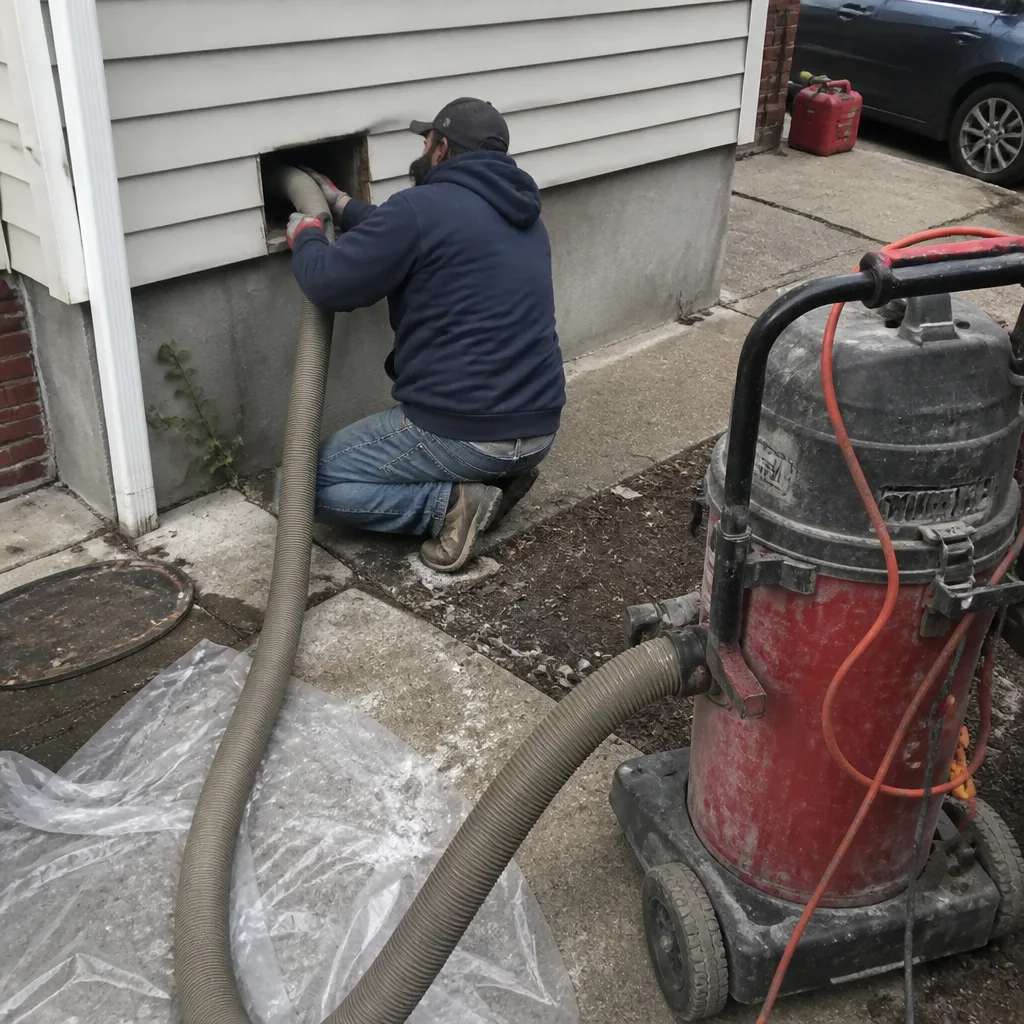 Before
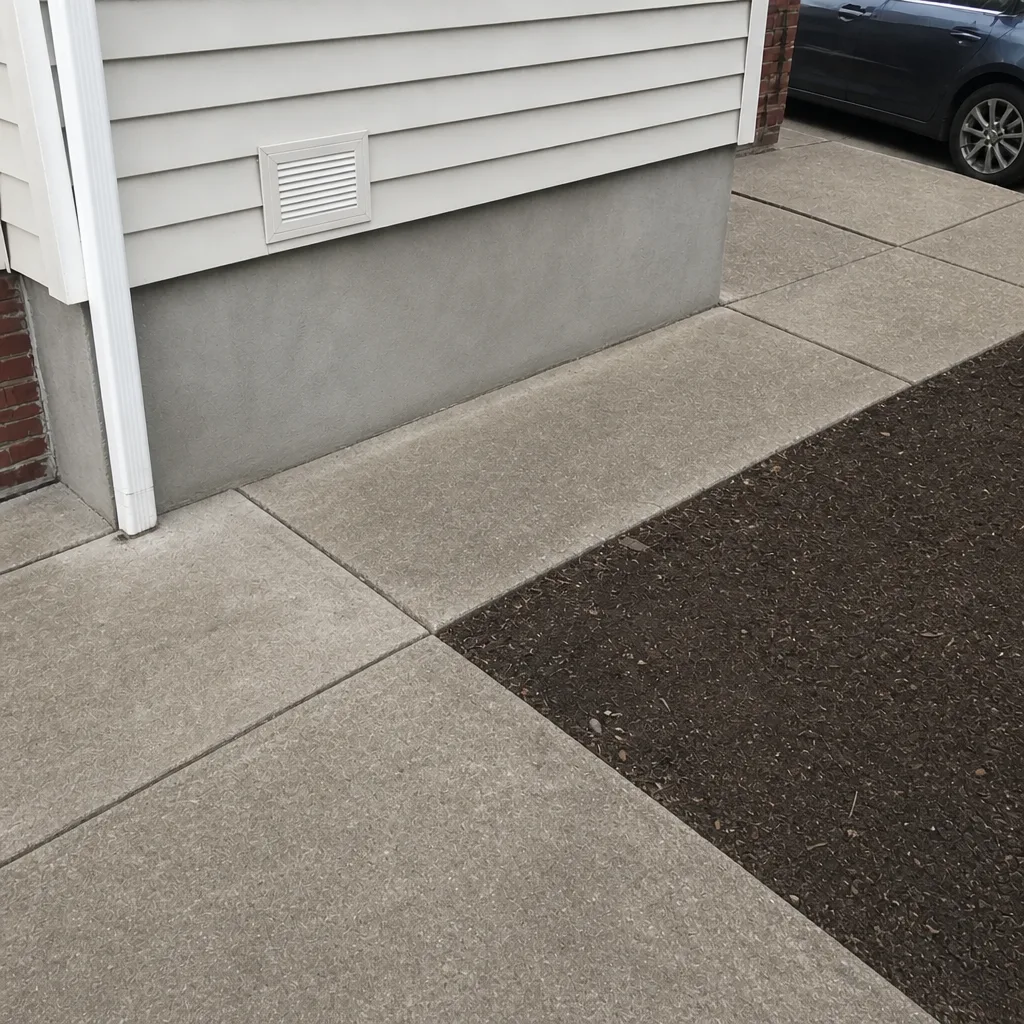 After
When to Call a Professional
Call a professional when the question isn’t “what can I clean myself” but “what’s happening inside the system that I can’t see.” That’s renovation dust in a brownstone. That’s a persistent dust pattern or musty smell when the HVAC runs. That’s a home you just moved into with no cleaning history. That’s a dryer vent run too long or blocked to clear from the dryer side. That’s a system where the previous duct cleaner quoted by the vent. Duct Cleaning Jersey City offers free estimates in Jersey City. Call (844) 834-2949. We answer 24/7. Fast dispatch from 7am to 7pm, Sunday through Friday. Estimates are set per job by a written estimate, and you’ll see before-and-after photographs of your own ducts when the work is done.
Frequently Asked Questions
Pricing is set per job by a written estimate, and the estimate is free, so the honest answer is that it depends on your system’s layout and access rather than a number we can quote on a page. What we don’t do is per-vent pricing or coupon-rate teasers, because that’s the pattern behind most of the low quotes in this market. Call (844) 834-2949 for an exact quote on your home. Estimates are free.
DIY duct cleaning is not dangerous in the way that gas or electrical work is, but it can cause a real problem by redistributing settled debris into living spaces when there’s no negative-pressure vacuum behind the brush. In older Jersey City row homes with decades of accumulated dust, that redistribution is the main risk. A professional cleaning handles it with containment equipment. Call (844) 834-2949 if you’re unsure which situation your home is in. Estimates are free.
Low quotes usually cover register and grille cleaning rather than the full system, or they price by vent count to keep the advertised number small, and the invoice grows once the technician is on site. The pattern isn’t universal, but it’s common enough that we hear about it constantly. Ask any provider what access they cut, what containment they use, and whether you’ll see before-and-after photos of the ducts themselves. Call (844) 834-2949 for a written estimate on the full system, not the grilles. Estimates are free.
Before-and-after photographs of your own ducts are the answer, and any provider who can show you the state of the duct interior before and after is giving you something to check rather than something to take on faith. A visual inspection at the register doesn’t show you much. Ask to see the duct runs themselves. Call (844) 834-2949 to schedule an inspection and see what your system actually looks like inside. Estimates are free.
There’s no single interval that fits every home, because access, age, renovation history, and filtration all move the answer. A brownstone after a renovation may need it soon. A well-maintained row home with a good filter setup may go longer. The useful approach is DIY maintenance between visits and a professional cleaning on a cycle your technician recommends after inspecting your actual system. Call (844) 834-2949 if you’d like a professional read on your home. Estimates are free.
Yes. Disconnected flex duct, failed plenum seals, and undersized or improperly routed runs are structural problems that cleaning alone can’t fix, and cleaning a compromised system wastes the cleaning. Air duct repair is a standalone service so those problems get addressed rather than worked around. If your ducts are losing air at the seams or a run has come loose, that’s the conversation to have first. Call (844) 834-2949 for an assessment. Estimates are free.
The Bottom Line
DIY duct cleaning isn’t a bad idea. It’s a limited one, and the limits are structural rather than a matter of skill. A drill brush and a shop vac can maintain registers, filters, and your dryer vent, which are real contributions to a healthier system. What they can’t do is put 2,000+ CFM of negative pressure behind a rotary brush and pull loosened debris out of a 25-foot horizontal run in a brownstone. In Jersey City’s housing stock, that gap matters more than it does in the suburbs. Use DIY between visits. Use professional cleaning to establish the baseline and reset it when the system needs it. That’s the decision, and now you have the facts behind it. Contact Duct Cleaning Jersey City today at (844) 834-2949 for a free estimate. We answer 24/7. Fast dispatch from 7am to 7pm, Sunday through Friday.
Written by the team at Duct Cleaning Jersey City.