
Last updated November 15, 2026
 Whole-home duct cleaning
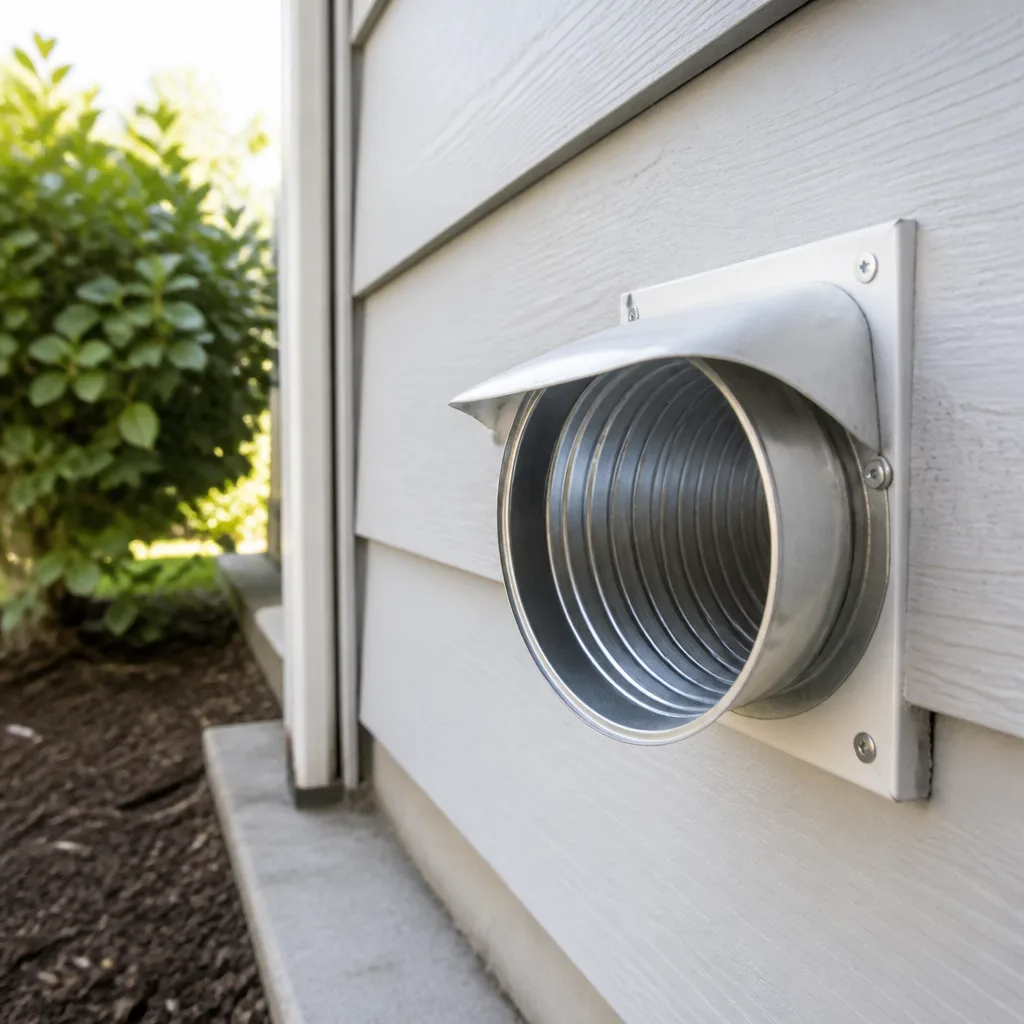 Dryer vent cleaning
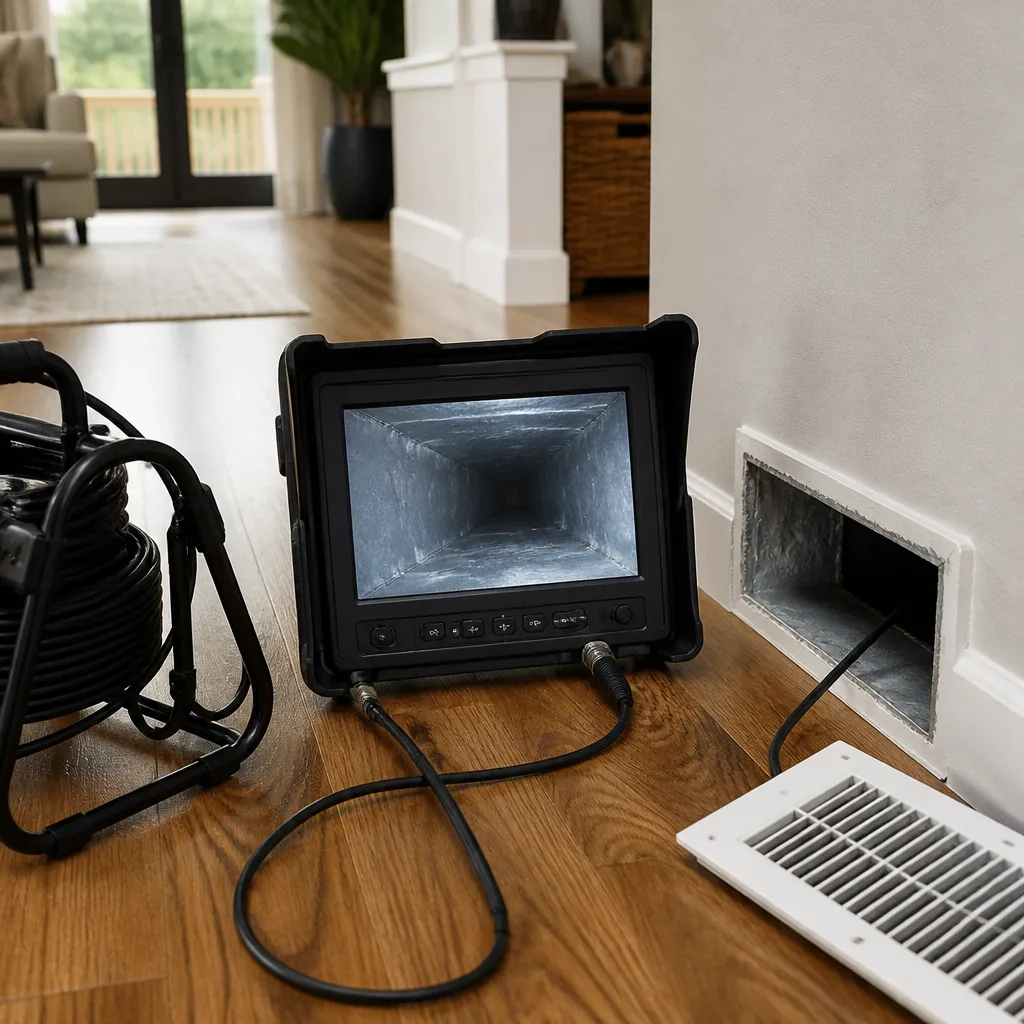 Camera inspection
 Sanitizing & deodorizing
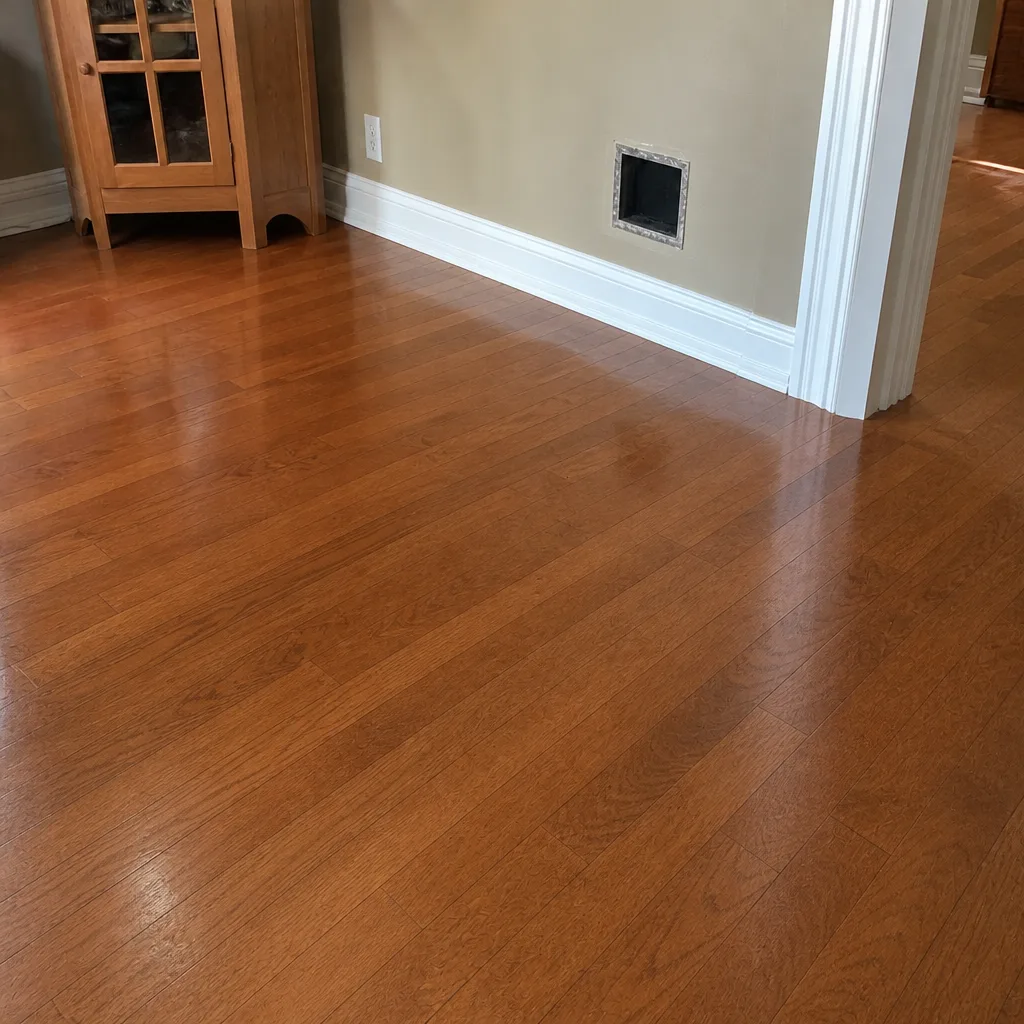
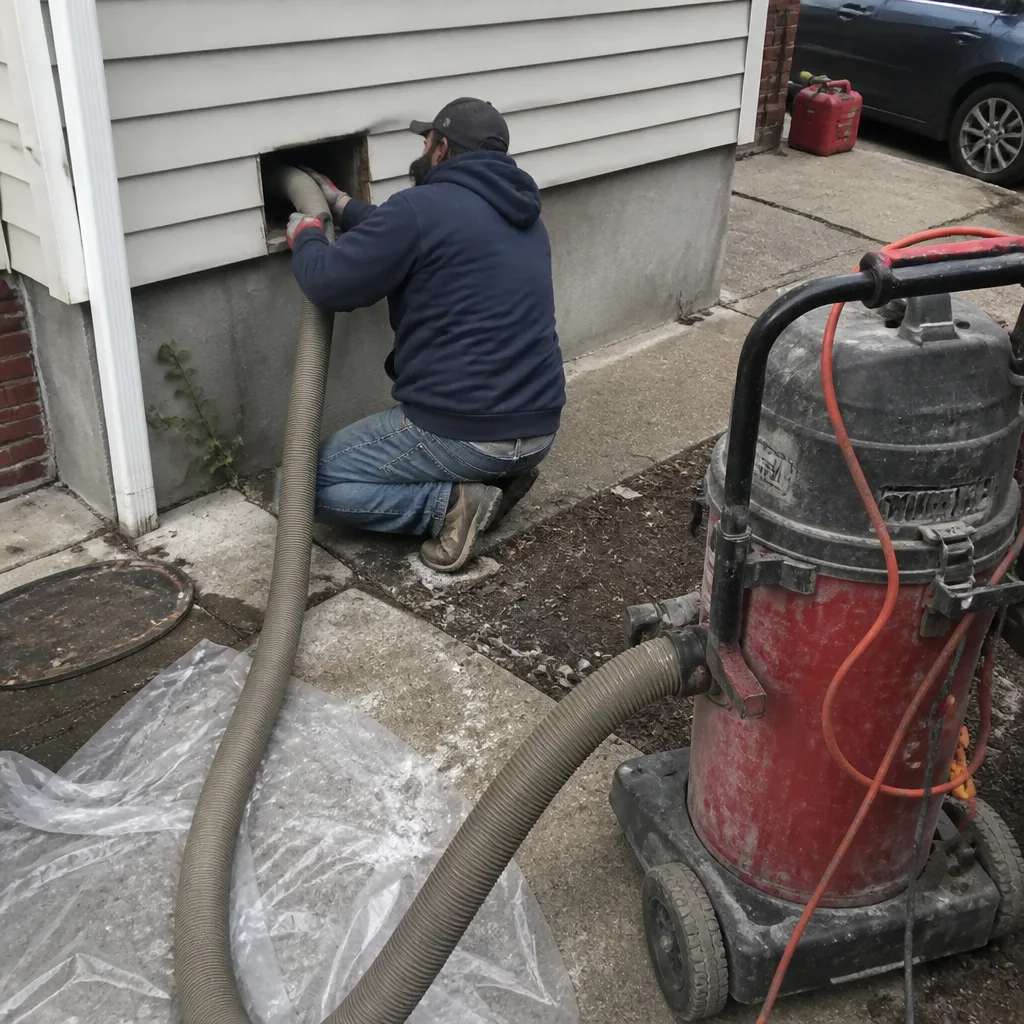
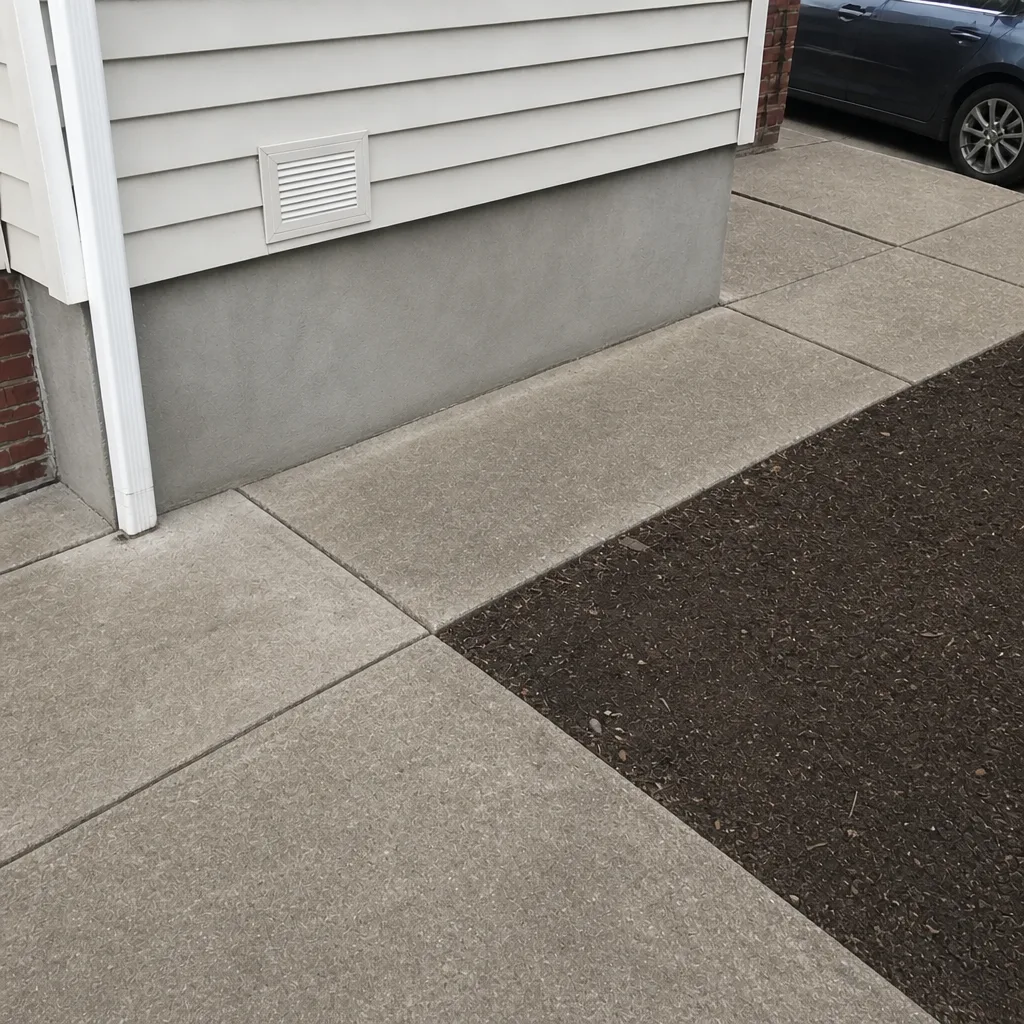
Whole-system duct and dryer vent check with before-and-after photos - you see exactly what came out of your vents
That "$99 whole-house special" is a bait ad - the real number appears once they are in your hallway, or the "clean" is a shop-vac at the register. We photograph the inside of your ducts before and after instead.
Air Duct Cleaning Troubleshooting in Jersey City: Common Problems and How to Fix Them
A clogged return duct and a failed duct board liner produce nearly identical symptoms. Both weaken airflow. Both push dust into living spaces. Both leave certain rooms too hot or too cold. Yet one is solved by cleaning and the other requires repair work that no cleaning pass will ever fix. Most low-bid cleaners don’t carry the equipment to tell the difference, so they clean what looks dirty, collect a check, and leave the underlying failure in place. This guide maps each common symptom to its real mechanical cause so Jersey City homeowners can walk into a service call already knowing what questions to ask.
Quick Answer
Most air duct problems in Jersey City trace back to one of four causes: heavy debris buildup restricting airflow, disconnected or crushed duct sections, deteriorated duct board or liner material shedding into the airstream, or a failing component in the air handler itself. Cleaning solves the first. Duct repair solves the second and third. The fourth belongs to an HVAC technician. Diagnosing which one you have before you book service is the difference between paying for a real fix and paying twice.
Styles & brands we work with
- Whole-home duct cleaning
- Dryer vent cleaning
- Camera inspection
- Sanitizing & deodorizing
Table of Contents
- Symptom-to-Cause Matrix: What Your Ducts Are Telling You
- Why Jersey City’s Older Housing Stock Creates Unique Duct Problems
- Telling Apart Mold, Drain Pan Issues, and Duct Board Off-Gassing
- What Negative-Pressure Equipment Reveals That a Shop-Vac Cannot
- Cleaning vs. Sealing vs. Liner Replacement: The Honest Decision Tree
- Dryer Vent Problems That Get Mistaken for Duct Problems
- Safe Checks You Can Do Yourself Before Calling
- When to Call a Professional
Symptom-to-Cause Matrix: What Your Ducts Are Telling You
Symptoms point to causes, but not always the cause you’d guess. Here’s how the four most-reported complaints map to their actual mechanical origins. Treat this as your first diagnostic pass, not a final verdict.
Weak Airflow at Every Register
Weak airflow throughout the whole house usually means resistance upstream: a clogged return, a dirty blower wheel, a collapsed flex run, or a filter that hasn’t been changed. When every vent is weak, the problem sits between the return grille and the supply plenum. When only one vent is weak, the problem is almost always in that branch line.
Hot or Cold Rooms That Don’t Match the Rest of the House
Uneven temperatures point to a specific branch duct. Look for a crushed flex run behind drywall, a damper stuck half-closed, a disconnected collar at the boot, or a supply line that was never properly sized. In Jersey City brownstones and older three-family buildings, branch runs get added or rerouted over the years, and those modifications often leak or pinch.
Burning or Metallic Smells
Burning smells are not a duct-cleaning problem. They’re a safety signal. Shut the system down and call an HVAC technician or your utility. Dust burning off a heat exchanger on first start-up of the season is normal and fades in minutes. A smell that persists, or that comes with a metallic edge, is not.
Visible Dust Around Registers
Dust puffing out of a supply register, or a dark streak on the ceiling near a vent, usually means the duct interior is shedding material or the boot seal is leaking. If the dust is gray and powdery, suspect failed duct board or deteriorated mastic. If it’s dark and fibrous, suspect loose insulation liner.
If you can’t pin the symptom to a single cause, that’s the right moment to have a professional diagnose it with proper equipment, not the wrong moment to guess.
Why Jersey City’s Older Housing Stock Creates Unique Duct Problems
A 1970s suburban new-build and a pre-1980 Jersey City rowhouse have almost nothing in common when it comes to ductwork. The suburban home likely has tidy flex duct in an open attic. The Jersey City home may have a mix of rigid metal, early flexible duct, and original duct board, all tucked into tight ceiling cavities or between floors, often with sections that were modified by three or four previous owners.
That produces failure modes you don’t see elsewhere.
- Pre-1980 flex duct that has lost its liner. Early flexible duct has a short service life. When the inner liner peels, the duct begins shedding fibers into the airstream. Cleaning alone cannot fix this. The run needs replacement.
- Duct board that has taken on moisture. Rigid duct board is common in mid-century Jersey City construction. Once it’s damp, it softens, crumbles, and starts releasing particles. No amount of cleaning restores it.
- Legacy insulation wrapped around older duct runs. In some pre-1980 homes, exterior duct wrap was manufactured before modern material standards. If you see frayed, crumbling, or dusty wrapping around ductwork, stop and call a professional. Don’t disturb it, don’t vacuum it, don’t cut into it. This isn’t a cleaning job until a professional has assessed it.
- Renovation shortcuts. Jersey City sees a lot of gut renovations. Kitchens get moved, closets get framed, and duct runs get crushed, disconnected, or sealed behind drywall. Those become hidden restrictions that show up as pressure problems years later.
- Mixed supply and return zones in three-family buildings. Returns that pull from hallways and supplies that feed individual units create cross-unit air movement. That’s an airflow design issue, not a dirt issue, but it’s often blamed on dirty ducts.
For Jersey City property managers with older multi-unit buildings, a diagnostic visit is usually worth more than a cleaning visit. Once we know what’s actually there, we can tell you what’s worth cleaning and what needs to be repaired.
Telling Apart Mold, Drain Pan Issues, and Duct Board Off-Gassing
A musty smell in the airstream is the single most misdiagnosed complaint in this trade. Three different causes produce three different remediation paths, and treating the wrong one wastes money.
Cause 1: Biological growth in the ducts
This is what most people assume they have. Mold or mildew colonizes damp duct interiors, usually in the return side, near the air handler, or downstream of a humidifier. If it’s genuinely in the ductwork, the fix involves a thorough mechanical cleaning with containment, and often an air-quality product installed afterward. Honeywell and Aprilaire filtration systems are what we typically recommend for ongoing control once the source is removed.
Cause 2: A wet drain pan under the air handler
Condensate pans fill with standing water when the drain line clogs, and the smell rises straight into the return. The ducts are clean. The pan is the source. That’s an HVAC fix, not a duct fix, and no amount of duct cleaning resolves it.
Cause 3: Duct board off-gassing
Older duct board and some duct sealants can produce a chemical or adhesive smell, especially when the system first turns on or after humidity swings. This is not biological growth. It’s material degradation, and the answer is replacement, not cleaning.
If you can’t tell which of the three you have, don’t guess. A technician with a negative-pressure containment system can sample air, inspect the return trunk, and check the drain pan in a single visit. That’s the fastest route to the right fix.
What Negative-Pressure Equipment Reveals That a Shop-Vac Cannot
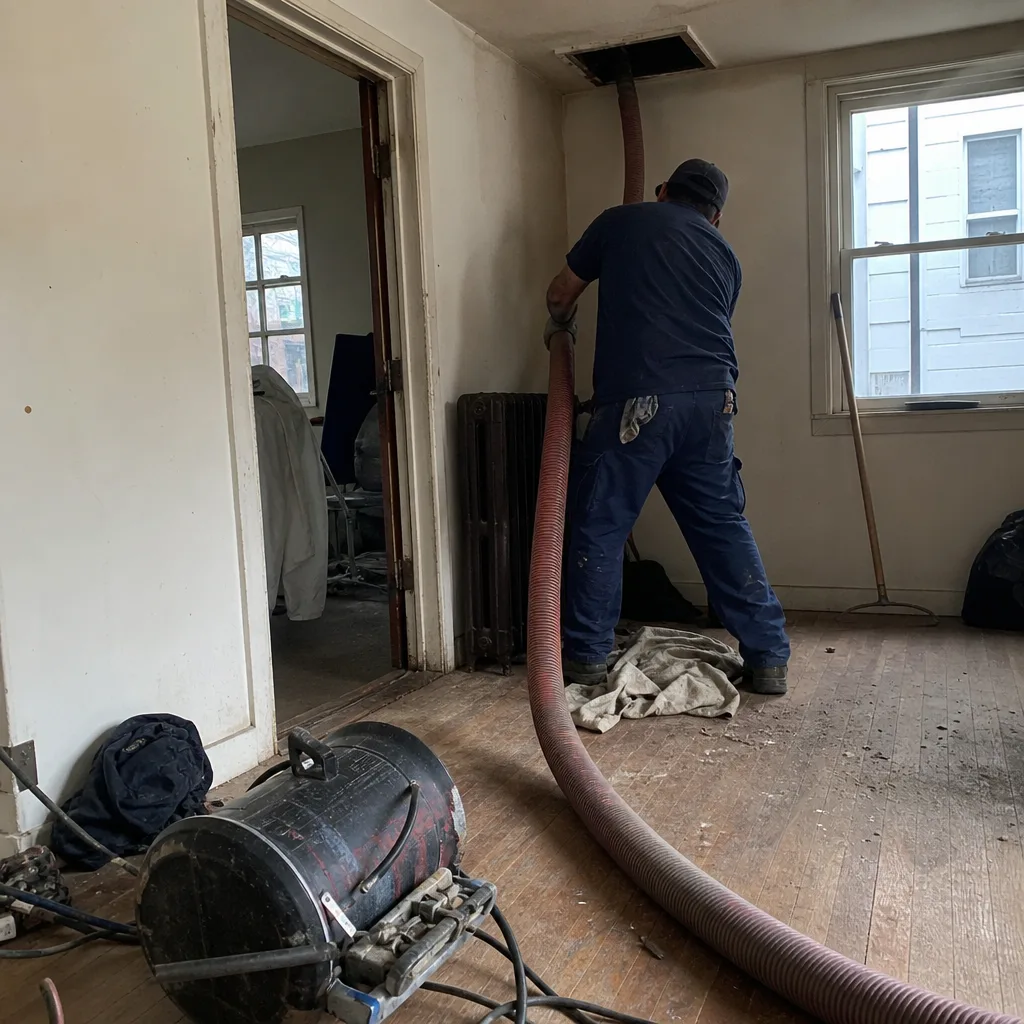
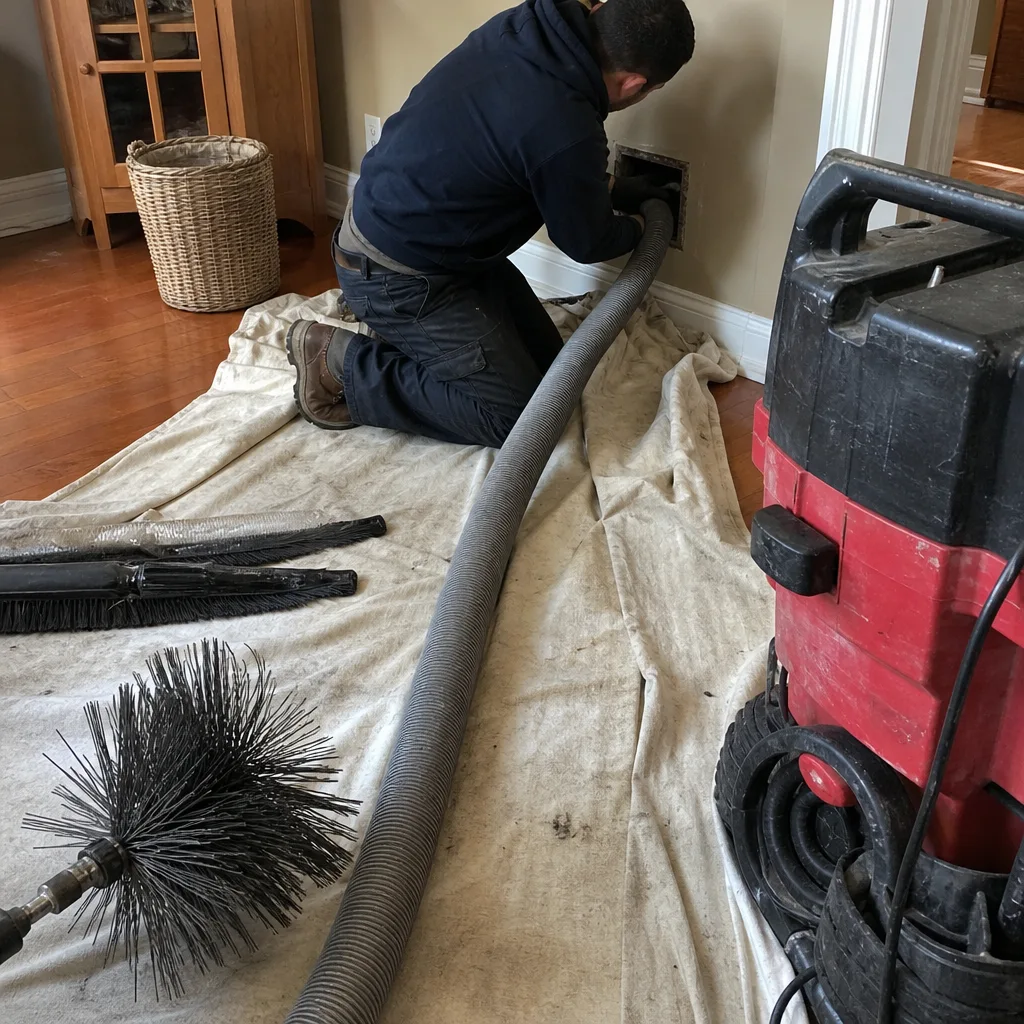
Here’s the difference that matters for diagnosis, not just for cleaning. A shop-vac pulls debris into a hose. A negative-pressure system creates controlled containment around the work area so that loosened debris and airborne particles can’t migrate into the living space. But the second benefit is diagnostic: because the system captures what the ducts release, a technician can see exactly what kind of material is coming out of the system.
That’s how you tell the difference between three duct conditions that look identical from a vent grille.
- Debris load. Dry, particulate dust that the system collects and counts against the return volume. This is a cleaning job.
- Material shedding. Fibrous or crumbling liner material that comes out in sheets or clumps. This is repair territory.
- Biological presence. Discolored particulate that indicates standing moisture in the duct. This calls for cleaning plus moisture correction plus an air-quality product.
We use Rotobrush rotary-brush systems, Nikro professional-grade cleaning equipment, and Abatement Technologies containment units because they let us see and capture what a consumer vacuum simply can’t. The point isn’t the brand name. The point is that a technician cannot diagnose what the equipment can’t show them.
Cleaning vs. Sealing vs. Liner Replacement: The Honest Decision Tree
Most homeowners expect to hear “you need a cleaning.” Sometimes you do. Sometimes you need repair. The difference should be explained to you before any work starts, not discovered on the invoice.
When cleaning is the right fix
Cleaning solves the problem when the ducts are intact but loaded with debris. Signs: airflow improves slightly when the filter is fresh, dust accumulates at the registers, the system has never been cleaned, no material is shedding, and no disconnections are visible. This is the most common scenario in Jersey City homes that have had regular HVAC maintenance but no duct service.
When you need air duct repair
Repair is the right answer when the duct system has lost structural integrity. Signs: crushed or disconnected branch runs, duct board that’s crumbled or damp, liner material visible at the register, or airflow that doesn’t respond to cleaning. We handle air duct cleaning and standalone repair as separate services because the diagnosis should lead the treatment, not the other way around.
When the HVAC system itself needs attention
If the blower wheel is dirty, the heat exchanger is compromised, the blower motor is failing, or the system is short-cycling, no amount of duct work solves it. A qualified HVAC technician handles that. We don’t, and we’ll tell you when that’s the answer.
| Symptom | Likely Cause | Right Fix |
|---|---|---|
| All vents weak, dust at registers | Heavy debris load | Duct cleaning |
| One room weak, others fine | Crimped or disconnected branch | Air duct repair |
| Gray powder at vents | Failing duct board | Repair / replacement |
| Fibrous material at registers | Liner shedding | Repair / replacement |
| Musty smell, ducts otherwise clean | Drain pan moisture | HVAC service |
| Chemical smell on start-up | Duct board off-gassing | Replacement |
| Burning or metallic smell | System component | HVAC / safety call |
| Lint buildup, long dry time | Clogged dryer vent | Dryer vent cleaning |
No honest diagnostic ends at “you need everything.” A specialist will tell you which of these you’re looking at, which pieces are worth fixing, and which pieces can wait.
Dryer Vent Problems That Get Mistaken for Duct Problems
Homeowners often call about “duct problems” when the real issue is the dryer vent. The two systems share symptoms – lint drifting through rooms, a faint musty smell, reduced airflow – but they’re completely separate, and the dryer vent is the one with a real safety concern. A clogged dryer vent traps heat and lint against a potential ignition source, and it’s the single duct-adjacent issue worth treating as a priority.
In Jersey City, dryer vent runs are often longer and more convoluted than they should be. Older rowhouses frequently route dryer vent duct through interior walls to reach an exterior wall, sometimes with multiple elbows that collect lint. Flexible foil duct, common in older installations, traps lint in its ribbing and should be replaced with smooth rigid duct when possible.
Signs your dryer vent needs attention:
- Loads take significantly longer than they used to
- The dryer or the wall behind it feels hot to the touch
- Clothes come out damp on a normal cycle
- Lint is visible around the exterior vent hood
- The exterior flapper doesn’t open fully when the dryer runs
dryer vent cleaning is a scheduled maintenance item, not a same-day emergency. But when the symptoms add up, don’t put it off. We treat the dryer vent with the same professional equipment and containment standards we use on air ducts, because the stakes are higher.
Safe Checks You Can Do Yourself Before Calling
You can do more than you think without touching the system internals. Here are the checks that help us help you. Skip anything that involves opening the air handler, cutting into ductwork, or disturbing insulation.
- Swap the filter. Put in a fresh filter, run the system for an hour, and note whether airflow changes. If a fresh filter barely helps, the problem is beyond the filter.
- Test each register. Hold a piece of tissue against each supply and return. Note which ones pull strong and which ones barely move air. That pattern tells us where the restriction sits.
- Look for visible dust plumes. Turn the system off, wait a minute, then turn it back on. Watch the register for a puff of dust as the blower starts. A small puff is normal. A thick cloud is not.
- Check for streaks or stains. A dark streak on the ceiling or wall near a vent usually means a leaking boot or a disconnected duct above the ceiling.
- Smell test. Note whether the smell is musty, chemical, or burning, and when it appears. Odor on start-up is different from odor all the time.
- Verify the dryer vent exterior flapper. From outside, confirm the flapper opens fully when the dryer runs. If it barely cracks, the run is restricted.
- Look, don’t touch, at duct wrap. If duct insulation looks frayed or crumbling, note it and stop. Don’t vacuum it, cut it, or handle it. A professional should assess it first.
Write down what you find. It gives us a head start and helps you get a straight diagnostic answer instead of a generic cleaning quote.
See the difference
 Before
 After
 Before
 After
 Before
 After
Common Mistakes to Avoid
- Booking a cleaning before you have a diagnosis. Cleaning a system that actually needs duct repair wastes money and leaves the real problem in place. Ask any company you call how they’ll diagnose before they treat.
- Accepting a per-vent quote. Per-vent pricing encourages whoever’s doing the work to move fast and route around the harder-to-reach runs. Insist on one flat price per system agreed in writing before work starts.
- Assuming the cheapest quote means the same scope. Low-bid duct work in Jersey City often means a consumer shop-vac, no containment, and no before-and-after documentation. The scope is not the same, even when the headline price looks similar.
- Ignoring an older duct board. Crumbled or damp duct board doesn’t heal with cleaning. It sheds particles into the airstream until it’s replaced.
- Handling suspected legacy duct insulation. Frayed or crumbling wrap around older ductwork should be left to a professional. Ask before you vacuum, cut, or pull it.
- Treating a burning smell as a duct issue. A burning or metallic smell is not a cleaning matter. Shut the system off and call an HVAC technician.
- Cleaning a musty system without finding the moisture source. If the smell comes back a month after cleaning, the water is still there. Return-side moisture, a clogged condensate drain, or a wet pan will keep producing the same smell until the source is addressed.
When to Call a Professional
Some symptoms are worth watching. Others are worth a phone call today.
Call us when airflow weakens across multiple registers, when dust visibly plumes from a supply vent, when the smell doesn’t fade after a filter change, when you see fibrous or crumbling material at a register, or when a dryer vent is taking noticeably longer to dry a load. Call an HVAC technician first when you smell burning, when the blower is failing, or when the condensate pan is wet.
The reason to bring in a specialist early is diagnostic. A properly equipped technician can tell you in one visit whether the fix is a Duct Cleaning Jersey City service, a repair job, or an HVAC referral. That saves you from a wrong-first fix and the repeat visit that always costs more.
Duct Cleaning Jersey City offers free estimates in Jersey City. Call (844) 834-2949. We answer 24/7. Fast dispatch from 7am to 7pm, Sunday through Friday.
Frequently Asked Questions
Duct cleaning in Jersey City is priced per system, not per vent, and the exact figure depends on the number of systems, the configuration, and whether repair work is needed. We don’t quote from a coupon because the price should match the actual scope. Call (844) 834-2949 for a free estimate and a written quote before any work begins.
Cheap quotes usually reflect a smaller scope: a consumer-grade vacuum, no containment, no diagnostic inspection, and no documentation. A bid that’s a fraction of the others is generally a cleaning, not a diagnosis. Ask any company what equipment they use and whether you’ll get before-and-after photos of your own ducts. Call (844) 834-2949 for a free estimate and compare scope, not just price.
Ask for before-and-after photos of your own duct interior. A company using proper containment and a rotary-brush system can document the change; a company running a shop-vac on a hose usually can’t. We provide photos as part of every job. Call (844) 834-2949 to set up a free estimate.
Most homes in Jersey City don’t need duct cleaning on a fixed schedule. The right trigger is evidence: visible dust or material at the registers, a smell that doesn’t clear, weak airflow across multiple vents, or a recent renovation that introduced debris into the system. If none of those are present, you can generally wait. Call (844) 834-2949 for a free estimate if you’re unsure.
One weak room usually means a single branch duct is restricted, disconnected, or crushed, not that the whole system is dirty. Look for a damper stuck half-closed, a collapsed flex run behind drywall, or a boot that’s separated from the register. That’s a repair diagnosis, not a cleaning one. Call (844) 834-2949 for a free estimate and we’ll confirm which you’re dealing with.
You can remove surface dust at the register with a household vacuum, but you can’t clean deep into the duct system, and you can’t reliably diagnose the interior condition. Consumer vacuums also lack containment, so they push fine particulate back into the room. A trained technician with proper equipment and negative-pressure containment is the safe and complete option. Call (844) 834-2949 for a free estimate.
The Bottom Line
Most duct problems in Jersey City have a specific cause, and the fix depends on getting that cause right. Weak airflow, hot and cold rooms, musty smells, and visible dust all point to different mechanical realities: debris, disconnection, material failure, or moisture. Cleaning solves debris. Repair solves disconnection and material failure. HVAC service solves the rest. A company that leads with cleaning before diagnosing isn’t doing you a favor. Call (844) 834-2949. We answer 24/7. Fast dispatch from 7am to 7pm, Sunday through Friday. Free estimates, one flat price per system agreed before work starts, and before-and-after photos of your own ducts.
For more on how we handle the three core services, see Jersey City service coverage.
Written by the team at Duct Cleaning Jersey City.