
Last updated November 15, 2026
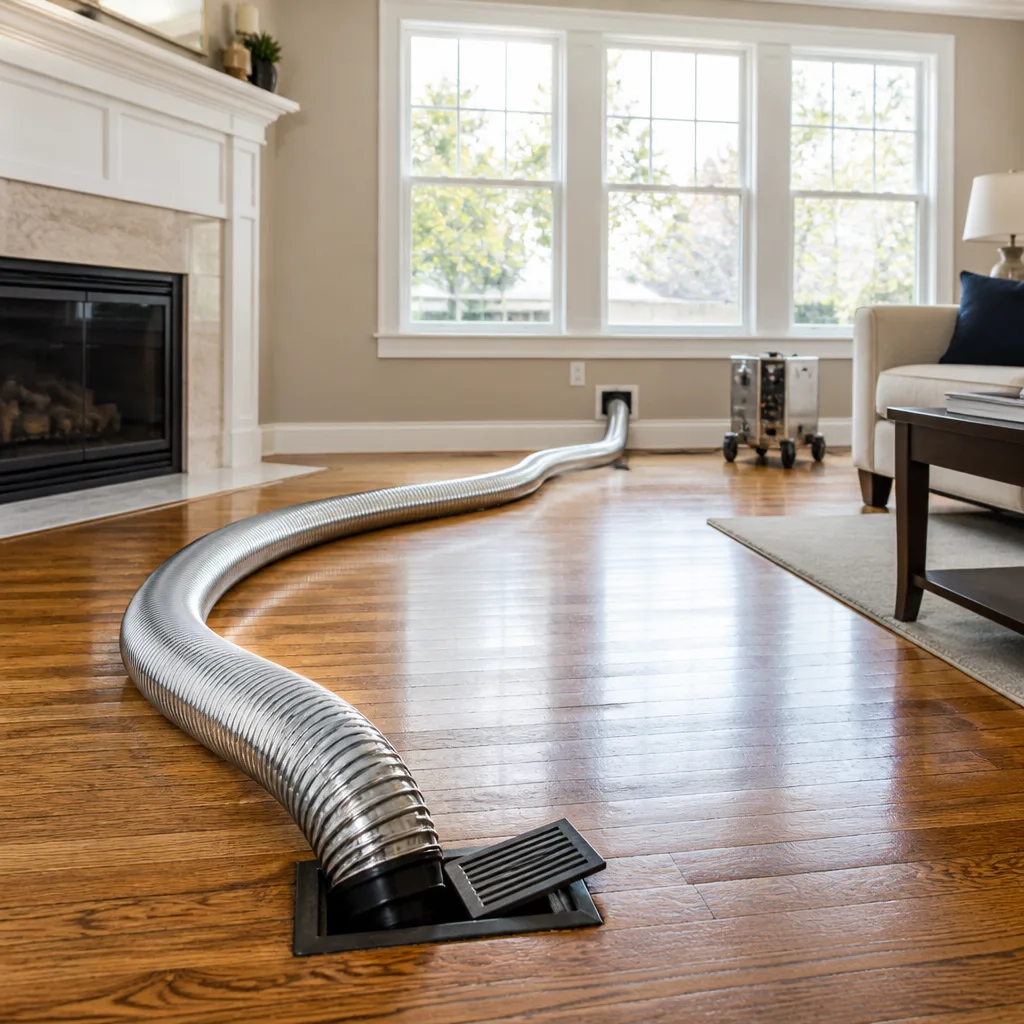 Whole-home duct cleaning
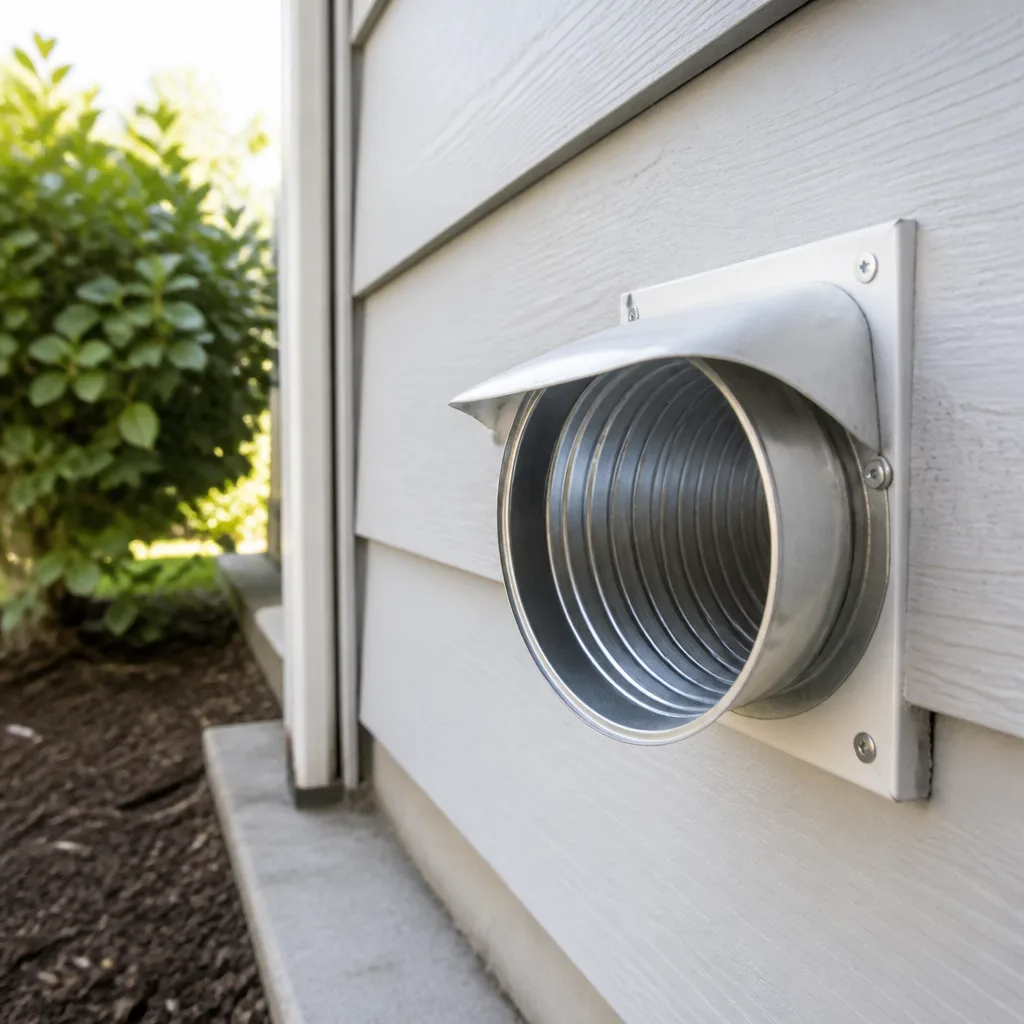 Dryer vent cleaning
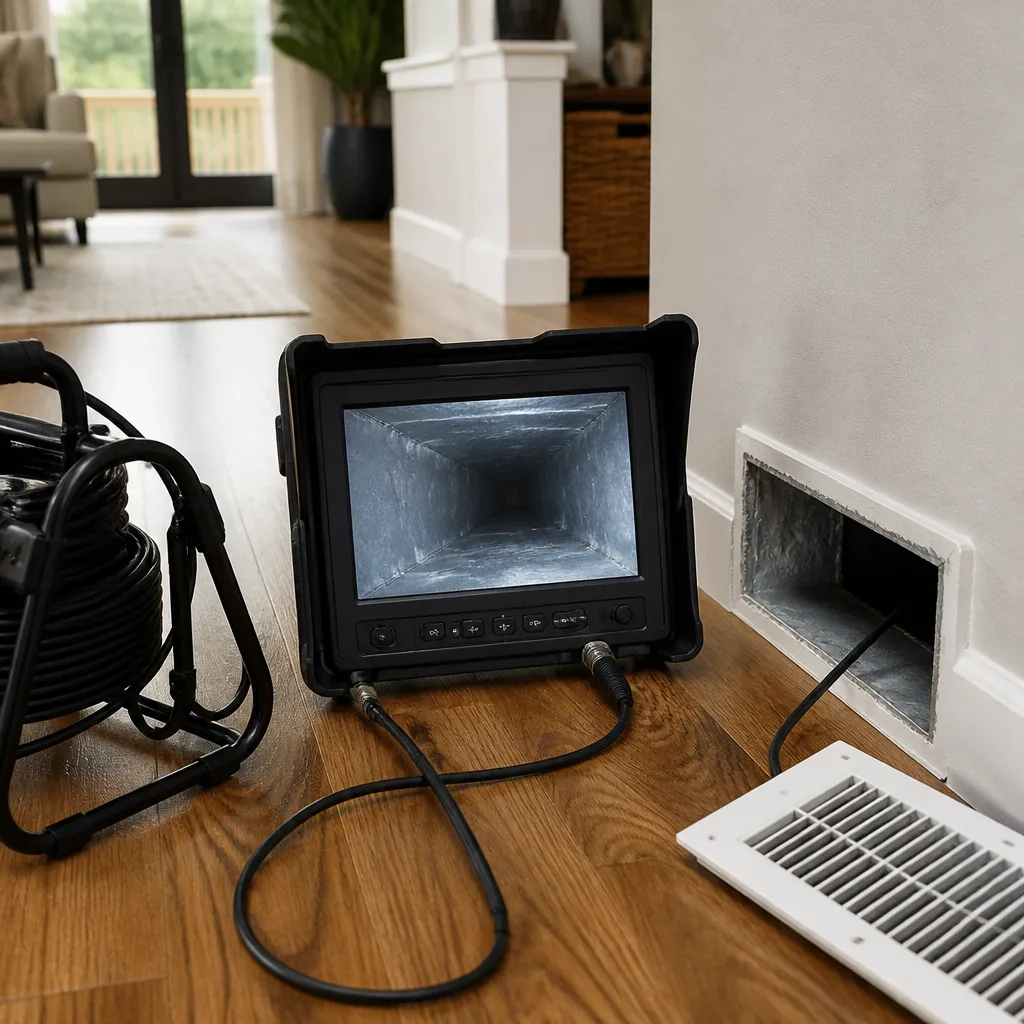 Camera inspection
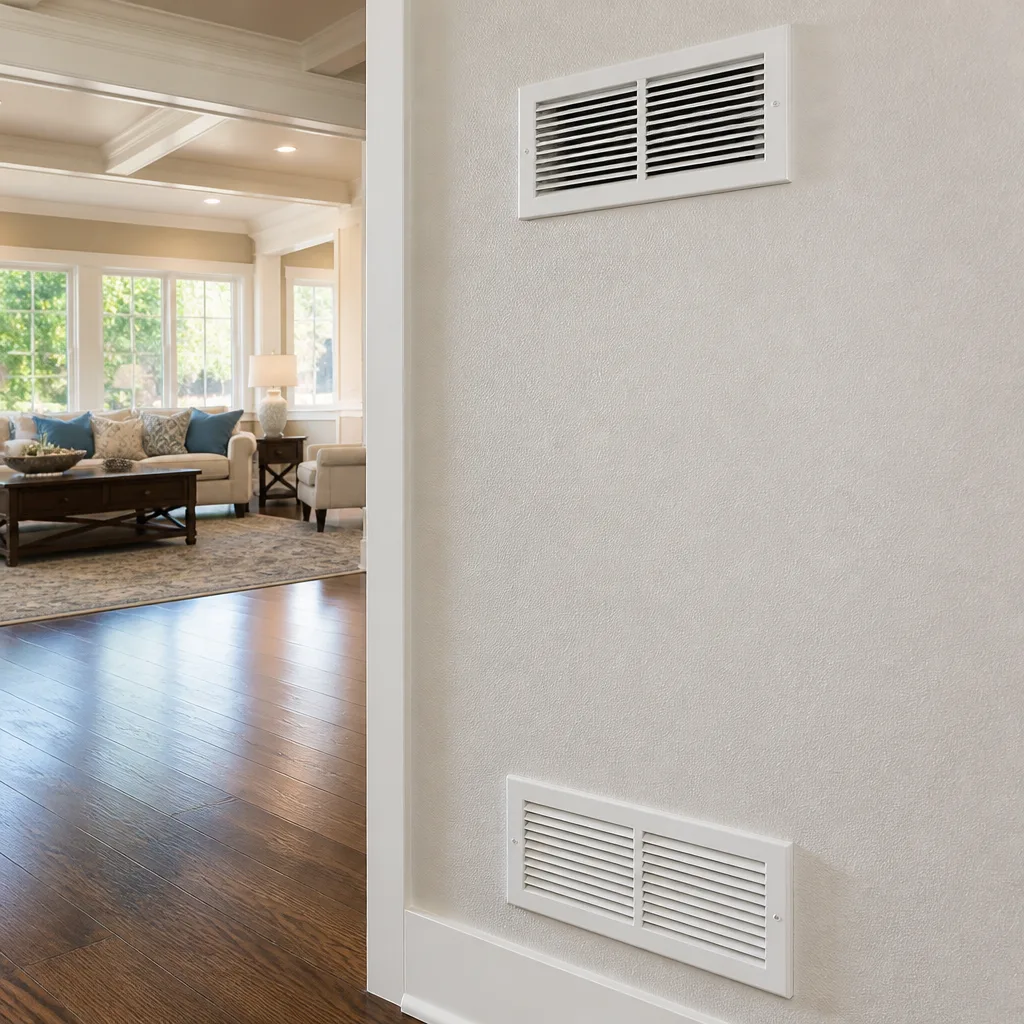 Sanitizing & deodorizing
Whole-system duct and dryer vent check with before-and-after photos - you see exactly what came out of your vents
That "$99 whole-house special" is a bait ad - the real number appears once they are in your hallway, or the "clean" is a shop-vac at the register. We photograph the inside of your ducts before and after instead.
Air Duct Cleaning Permits, Codes & Inspections in Jersey City, NJ: What You Need to Know
Here’s the part that surprises most homeowners: cleaning your ducts doesn’t require a permit in New Jersey. But a contractor who seals ductwork, replaces a liner, or installs a UV purifier inside your air handler without the right permit isn’t saving you paperwork. They’re leaving you an unpermitted mechanical modification that has a habit of surfacing at the worst possible moment – during a home sale, a refinance appraisal, or a building inspection. In this guide we draw the line between what’s exempt and what’s permitted under the New Jersey Uniform Construction Code, explain how Jersey City’s Division of Buildings processes mechanical applications, and give you the paper trail to protect yourself either way.
Quick Answer
Routine air duct cleaning itself is generally treated as maintenance and is not a permitted activity under the New Jersey Uniform Construction Code, while structural or mechanical changes to the duct system (sealing with approved materials that alters the system, duct liner replacement, UV or in-line air treatment installation, and new or replaced duct runs) typically require a mechanical permit filed with Jersey City’s Division of Buildings. When in doubt, ask to see whether the scope requires a permit and what documentation the contractor will leave behind. The cost of the permit is small; the cost of an unpermitted modification showing up during a home sale is not.
Table of Contents
- What counts as duct cleaning versus a permitted modification?
- What’s permit-exempt under the New Jersey Uniform Construction Code?
- Which duct-related services need a permit in Jersey City?
- How does Jersey City’s Division of Buildings handle mechanical permits?
- Duct liner replacement and mold remediation inside ductwork
- What to ask your contractor to document, permit or not
- Condo and multi-family considerations in Jersey City
- What an inspection actually checks
What counts as duct cleaning versus a permitted modification?
The distinction matters because the word “cleaning” covers a wide range of work depending on who’s using it. In New Jersey, mechanical permits exist so that changes affecting airflow, structural integrity, or building safety go through a review process. Pure cleaning – removing dust, debris, lint, and microbial build-up from the interior of existing ducts – doesn’t change the system. It restores it. That’s the line, and it’s why the first question to ask any contractor in Jersey City is not “do I need a permit,” but “does my job change the system, or just clean it?”
Here’s a useful way to think about it:
- Cleaning: mechanical brushing, negative-air extraction, sanitation – no alteration to ductwork, no new components, no changes to the system.
- Sealing and liner work: applying duct mastic, replacing interior fiberglass liner, or coating damaged duct walls – usually a mechanical permit if the work alters the system.
- Installing equipment inside or on the duct: UV air purifiers, in-line air treatment devices, new registers, or new duct runs – generally a mechanical permit and inspection.
- Repairing compromised ductwork: reconnecting disconnected joints, replacing a crushed section, or rebuilding a return chase – scope determines permits, which is why a proper diagnostic comes first.
At Duct Cleaning Jersey City we separate those three jobs – air duct cleaning, dryer vent work, and air duct repair – because they carry different regulatory footprints. A cleaning visit and a repair visit aren’t the same transaction, and they shouldn’t be sold as one.
What’s permit-exempt under the New Jersey Uniform Construction Code?
Routine cleaning of the interior of an existing duct system, including the supply and return runs and the ductwork inside the air handler closet, is generally not a permitted activity under the New Jersey Uniform Construction Code. Sanitation with professional-grade products, mechanical brushing, and negative-air containment during a cleaning job fall on the maintenance side of the line – they remove material without changing the system, and there’s no new construction, alteration, or equipment installation to inspect.
The same logic applies to dryer vent cleaning as long as the vent configuration itself isn’t being changed. Routine lint removal from an existing vent run is maintenance. If the job involves relocating the vent, cutting a new exterior termination, or extending the run beyond its original routing, that’s an alteration and should be discussed with the contractor and, where applicable, your property manager before anyone picks up a tool.
What’s also worth knowing in Jersey City specifically: some of the city’s housing stock carries duct systems far older than the homes they’re in today. Conversions from single-family to multi-unit, retrofits of older heating systems, and past renovation work can leave duct runs that don’t match any drawing on file. That doesn’t make cleaning non-exempt – it still isn’t – but it’s the main reason we recommend a scope assessment before the work starts. What you find behind a wall often decides whether the job stays a cleaning or becomes a repair with a permit attached. We’ve seen that assessment save homeowners from surprises more often than any piece of equipment on the truck.
Which duct-related services need a permit in Jersey City?
Any work that changes the duct system rather than cleaning it is the category to treat as permit-required until a licensed contractor tells you otherwise in writing. Under New Jersey’s Uniform Construction Code, mechanical permits exist to document alterations to HVAC systems, and Jersey City’s Division of Buildings applies that framework locally. Here’s the short version:
- Duct sealing that alters the system: sealing with approved mastic is often treated as a repair; if the sealing changes the configuration of runs, expect a mechanical permit.
- Duct liner replacement: replacing interior fiberglass liner typically falls under a mechanical permit because it’s a component replacement inside the system.
- UV air purifier or in-line air treatment installation: installing Honeywell or Aprilaire equipment inside the air handler or duct run is a mechanical addition and generally needs a permit.
- New or replaced duct runs: adding a supply, extending a return, or replacing a damaged section with a different configuration is permit territory.
- Air handler or blower modifications: opening the cabinet to install equipment, adjust components, or re-route airflow usually triggers a permit and inspection.
What’s not on that list matters, too. A UV purifier installed in the ductwork without a permit is not the same as a UV purifier that a homeowner asked for, got installed, and never knew needed one – and the difference only surfaces when an appraiser or inspector asks for documentation during a sale. We recommend the permit every time when the scope lands on the alteration side, even when the contractor says it’s optional. The fee is small. The problem it prevents is not.
How does Jersey City’s Division of Buildings handle mechanical permits?
Jersey City’s Division of Buildings reviews mechanical permit applications the way most New Jersey municipalities do: a licensed contractor files the application with the scope of work, pays the fee, and the job moves through plan review where required before an inspection is scheduled. What differs in Jersey City is the volume. A city with this many active renovations and conversions runs a busy construction office, so timelines stretch with the workload, and a filing made in a heavy permit period can sit before it’s reviewed. That’s the reality of the calendar, not a reflection of the office.
Typical progression for a duct-related mechanical permit:
- Contractor scope assessment: a licensed mechanical contractor confirms what’s permit-required and drafts the scope of work.
- Application filing: the contractor files the mechanical application with Jersey City’s Division of Buildings and pays the permit fee.
- Plan review: the office reviews the scope; more complex jobs may require additional documentation.
- Permit issued: work can begin; the permit is posted at the job site.
- Inspection: a municipal inspector visits at the appropriate stages and signs off on the work.
- Final approval: the permit file closes; the property owner retains a record of the approved work.
Ask any contractor you hire which step in that sequence your job sits in. If they can’t answer, that’s the answer. For straight cleaning work, no permit is filed because none is required – but the scope of work should still be explained clearly, in writing, before the job begins.
Duct liner replacement and mold remediation inside ductwork
Two jobs inside a duct system routinely flip the regulatory switch: liner replacement and mold remediation. Neither is cleaning, even though both sometimes arrive disguised as cleaning quotes. Understanding why they’re treated differently helps you ask better questions and budget honestly.
Duct liner replacement. Interior fiberglass liner is a component of the duct system. Replacing it changes the system’s physical construction, and that usually requires a mechanical permit. Liner can degrade from age, moisture, or past damage, and when it does, cleaning alone won’t fix the problem – the liner has to come out and be replaced, which is an alteration, not maintenance. In our experience, this is the most common point where a homeowner who expected a cleaning quote learns they’re actually looking at a repair signature.
Mold remediation inside ductwork. Mold growth inside a duct system (often visible around the air handler, at the registers, or on liner) can trigger a separate regulatory framework from a plain cleaning job. Depending on scope and building type, remediation may involve an environmental review, containment protocols, and documentation separate from a mechanical permit. Abatement Technologies equipment – the same category of negative-air machines used in remediation work – is the standard containment tool for this kind of job, and it’s the reason we use it as part of any cleaning or repair visit with elevated contamination.
If a contractor quotes you a cleaning price and then discovers liner damage or visible mold mid-job, that’s not a bait-and-switch if the assessment was done honestly. But it should look like a diagnostic first, a written revision second, and a permit decision after that – not a dollar amount shouted from a ladder.
What to ask your contractor to document, permit or not
The single best protection against a problem that surfaces later is documentation that follows the job. Even on a permitted cleaning or repair, the paperwork is what proves what happened. Ask for these regardless of whether a permit was filed:
- A written scope of work listing what’s being cleaned, repaired, or installed, and what’s not in scope.
- Before-and-after photos of the duct interior and the equipment, on every job.
- The permit number if any was filed, along with the final inspection card once approved.
- Cleaning product documentation – what was used and why, especially if anyone in the household has asthma or allergies.
- Equipment report – the professional-grade systems used, not a consumer vacuum. There’s a difference between an industrial rotary-brush cleaning system like a Rotobrush and a shop vac with a hose.
- Repair or sealing record – what was sealed, replaced, or reconnected, and whether that work fell under a permit.
- A closing invoice that matches the scope – if the work changed mid-job, the revision should be in writing before you pay.
That file does two things: it protects you if anyone ever questions the work, and it gives the next contractor, appraiser, or inspector a clean starting point. Keep a copy. If you sell the home, hand it to your realtor.
Condo and multi-family considerations in Jersey City
Jersey City’s dense development pattern means a lot of duct work runs through walls that are shared, co-owned, or inside a building system you don’t own outright. Several things shift when the air handler isn’t in a single-family home:
- HOA or co-op approval: any mechanical change that touches common elements – a roof penetration, a chase running through shared space, or a building-wide duct system – should be cleared with the association or property manager, not just the building department.
- Property management sign-off: in larger rental and managed buildings, access to the shared system, scheduling, and work hours are usually governed by the property manager before the contractor ever arrives.
- Multi-family permits: in buildings where duct runs serve multiple units, mechanical permits may need to reflect the entire affected system rather than a single apartment.
- Documentation for the unit file: a copy of the scope, photos, and inspection approval should go to the property manager so the building file stays current – that’s often what future buyers ask to see.
If you’re in a condo or co-op, we recommend confirming the building’s rules around mechanical changes before booking the appointment. It’s the easiest step in the process and the one most frequently skipped. For a free assessment in Jersey City, call (844) 834-2949 and we’ll flag any building-approval questions up front.
What an inspection actually checks
An inspection reviews the work the permit covers, not the absence of dust. A municipal mechanical inspector is looking at whether the installing contractor did what the permit said they’d do: the components are correctly installed, the connections are sound, the airflow isn’t compromised, and the system is safe. An inspection doesn’t evaluate whether your ducts were clean when the job started – that’s what your before-and-after photos and scope of work are for. That distinction matters because a homeowner who assumes the inspection is a quality control guarantee may be disappointed to learn it verified the alteration, not the cleaning.
If you’re the one scheduling an inspection, know the sequence: the contractor who filed the permit usually coordinates the inspection, and the final approval goes into the property file. If you’re a buyer, ask for the final sign-off and the scope of work that matches it – together those tell you what changed and who signed it off. If you’re using a Jersey City contractor for a permitted repair, ask them to leave the approval documentation with you, not just in their office.
Styles & brands we work with
- Whole-home duct cleaning
- Dryer vent cleaning
- Camera inspection
- Sanitizing & deodorizing
Common Mistakes to Avoid
- Assuming all duct work is exempt because cleaning is exempt. Cleaning is maintenance; alterations are permits. The two aren’t the same and the line lives in the scope of work. Ask before signing.
- Skipping the permit to save time. In Jersey City’s busy construction office, a permit may slow the job by days. That’s not a reason to skip it. The unpermitted work is the thing that slows a closing later.
- Not photographing before-and-after. A cleaning job with no photos and no written scope is a job you can’t prove happened. Insist on both, permit or not.
- Letting a contractor install a UV purifier without documentation. A UV air treatment device installed inside the air handler without a permit is the exact scenario that surfaces during a home sale. Honeywell and Aprilaire systems need a permitting conversation.
- Confusing an inspection with a cleaning quality check. The inspection verifies the alteration; the cleaning quality is verified by your own scope and photos. Know which one you’re looking at.
- Ignoring HOA and property manager sign-off in condos. Shared duct systems and common elements require association or manager approval before work starts. Skipping that step is a common source of post-job disputes.
- Booking on price alone. A quote that doesn’t specify scope, equipment, and permit status tells you almost nothing. The right question is what equipment will be used and whether any of the work is a permit-required alteration.
When to Call a Professional
The moment to call in a professional is earlier than most people think. Call when you notice dust returning within days of a cleaning, when you see lint packed around the dryer vent, when you hear rattling or whistling in the ducts, or when you’re planning to sell and don’t have documentation of past work. Call before any proposed alteration to your duct system – sealing, liner replacement, new UV equipment, or new runs – so the permit question is settled up front. Call before you install any Honeywell or Aprilaire air treatment device so the permitting falls in the right sequence. Call also when you smell mustiness that returns after cleaning, because that’s a sign the job is larger than a cleaning. Call if you’re a property manager in Jersey City and need building-file documentation. Duct Cleaning Jersey City offers free estimates in Jersey City – call (844) 834-2949. We answer 24/7. Fast dispatch from 7am to 7pm, Sunday through Friday. For the surrounding area, our Jersey City service pages cover what we do and where. If you’re starting your research, the Duct Cleaning Jersey City homepage explains the three services and the equipment we use on each.
Frequently Asked Questions
No – routine air duct cleaning is generally treated as maintenance and is not a permitted activity under the New Jersey Uniform Construction Code. What does require a permit is work that changes the duct system: liner replacement, new or replaced runs, duct sealing that alters the configuration, or installation of in-line equipment like a UV air purifier. If in doubt, ask the contractor for a written determination before work starts. Call (844) 834-2949 for an exact quote – estimates are free.
Air duct cleaning in Jersey City is priced per system, not per vent, so the quote depends on the number of systems, the condition of the ductwork, and whether any repair is needed alongside the cleaning. The right way to compare quotes is on scope and equipment, not on a coupon headline – a low per-vent price and a whole-system price aren’t the same product. We give one flat price per system agreed before work starts. Call (844) 834-2949 for an exact quote – estimates are free.
Cheap quotes are usually cheap because something is missing: equipment (a shop vac versus a professional-grade rotary-brush system), scope (the return runs and the air handler may be left out), documentation (no photos, no written scope), or permit status on repair work. When the whole job isn’t on the quote, the missing piece shows up later as a bigger invoice or a failed inspection. Compare the scope line by line. Call (844) 834-2949 for an exact quote – estimates are free.
Ask for before-and-after photos of the duct interior and a written scope of work that lists exactly what was cleaned, repaired, or installed. On repair work, ask for the permit number and final inspection approval if any was filed. That file is what you keep, and what a future buyer’s inspector may ask to see. We photograph every job, minimum. Call (844) 834-2949 for an exact quote – estimates are free.
Often, yes. If the duct work touches common elements, shared chases, roof penetrations, or a building-wide system, the association or property manager usually needs to approve the scope before work starts. That includes scheduling and access rules in managed buildings. Confirm the building’s requirements before you schedule; it’s the step most often skipped. Call (844) 834-2949 for an exact quote – estimates are free.
There’s no single right answer – the honest one is that it depends on your system, your building, and what’s in the air around it. Homes with pets, recent renovations, visible dust at the registers, or a history of moisture problems usually benefit from cleaning more often than a tightly maintained home with none of those factors. A scope assessment is the fastest way to know. Call (844) 834-2949 for an exact quote – estimates are free.
The Bottom Line
Cleaning your ducts is maintenance and doesn’t require a permit in Jersey City. Altering the system – sealing in a way that changes configuration, replacing liner, adding a UV purifier or air treatment device, or new runs – usually does. The question to ask isn’t “do I need a permit,” it’s “does this job change the system?” Get the answer in writing, ask for before-and-after photos, and keep the permit documentation if any was filed. Our technicians have up to 10 years of experience and use Rotobrush and Nikro equipment and Guardsman products on every job, and we install Honeywell and Aprilaire air treatment products when the job calls for them. If any of that work lands on the alteration side, we’ll tell you a permit is required – not quietly skip it to save a week. Better air starts with the right equipment, and a cleaner job starts with the right paperwork.
Call (844) 834-2949 for a free estimate. We answer 24/7. Fast dispatch from 7am to 7pm, Sunday through Friday.
Written by the team at Duct Cleaning Jersey City.
See the difference
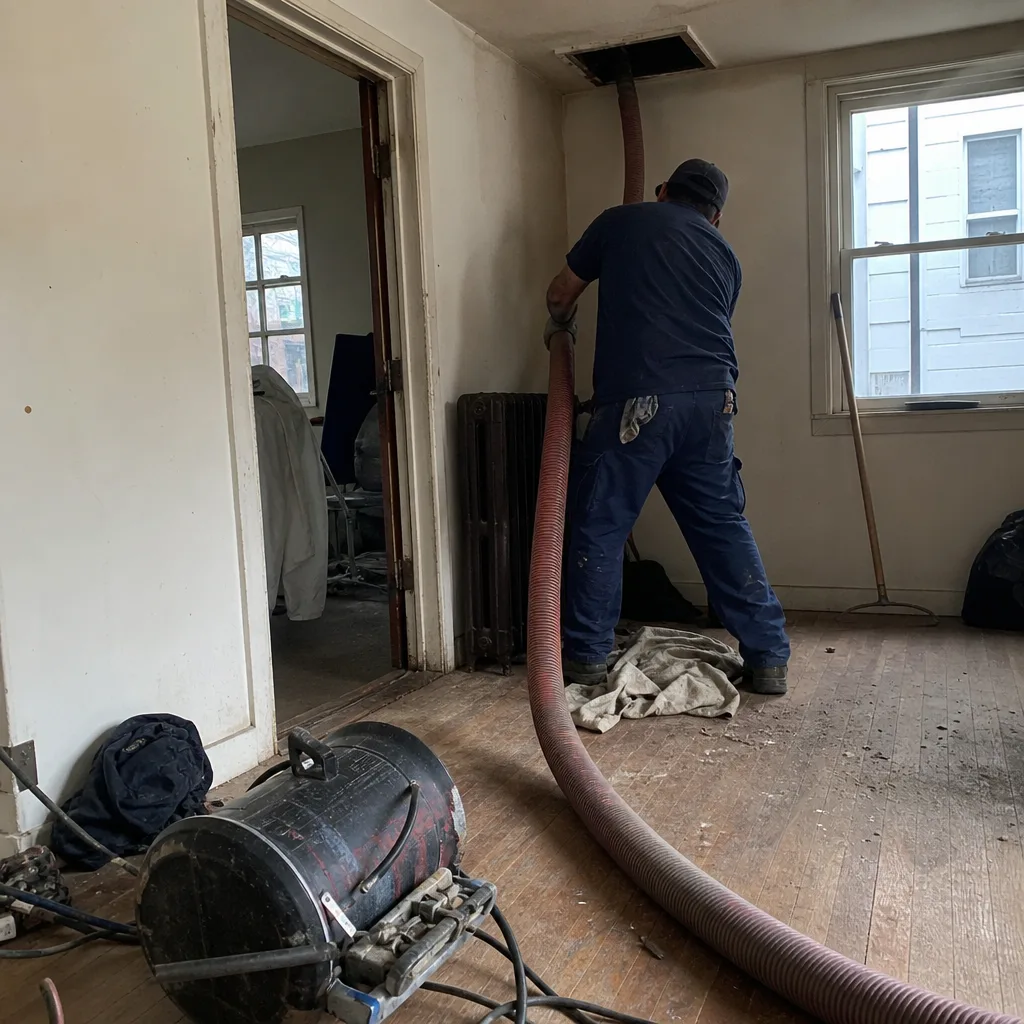 Before
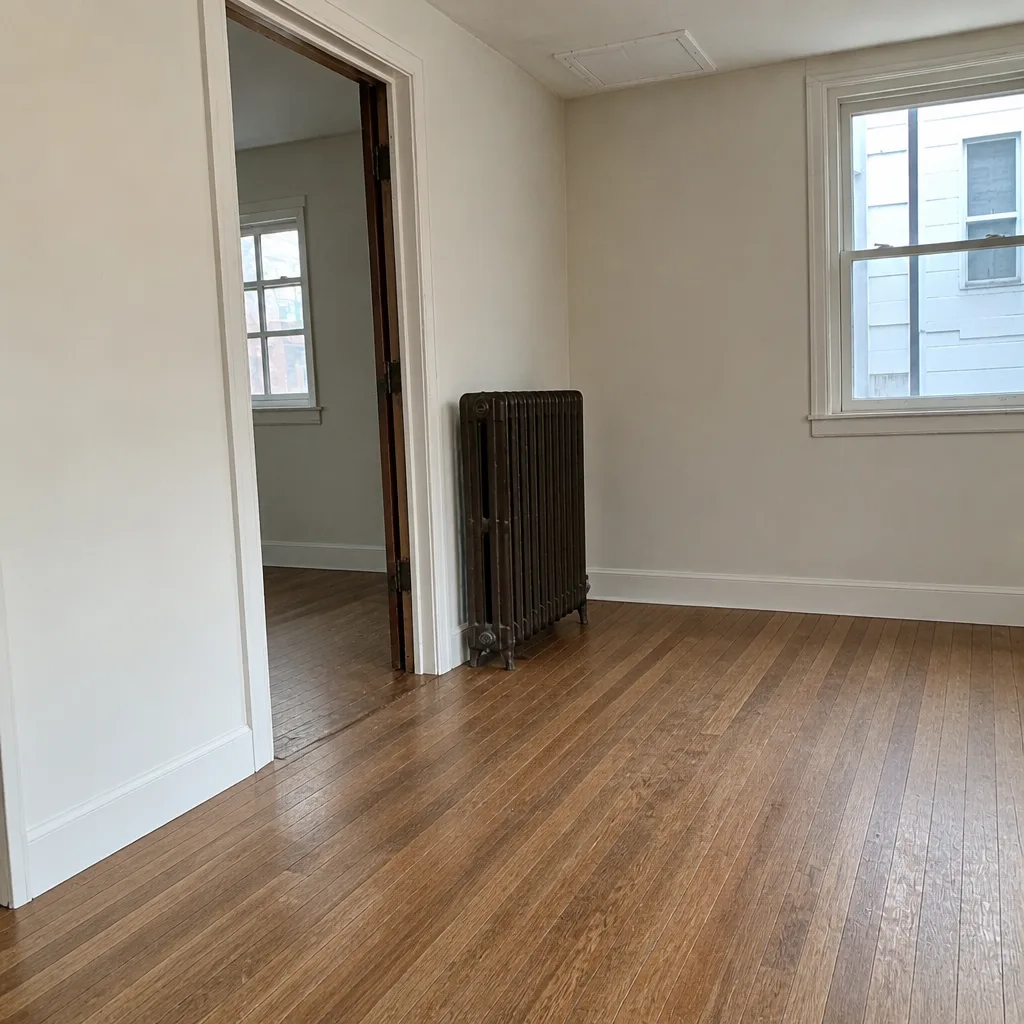 After
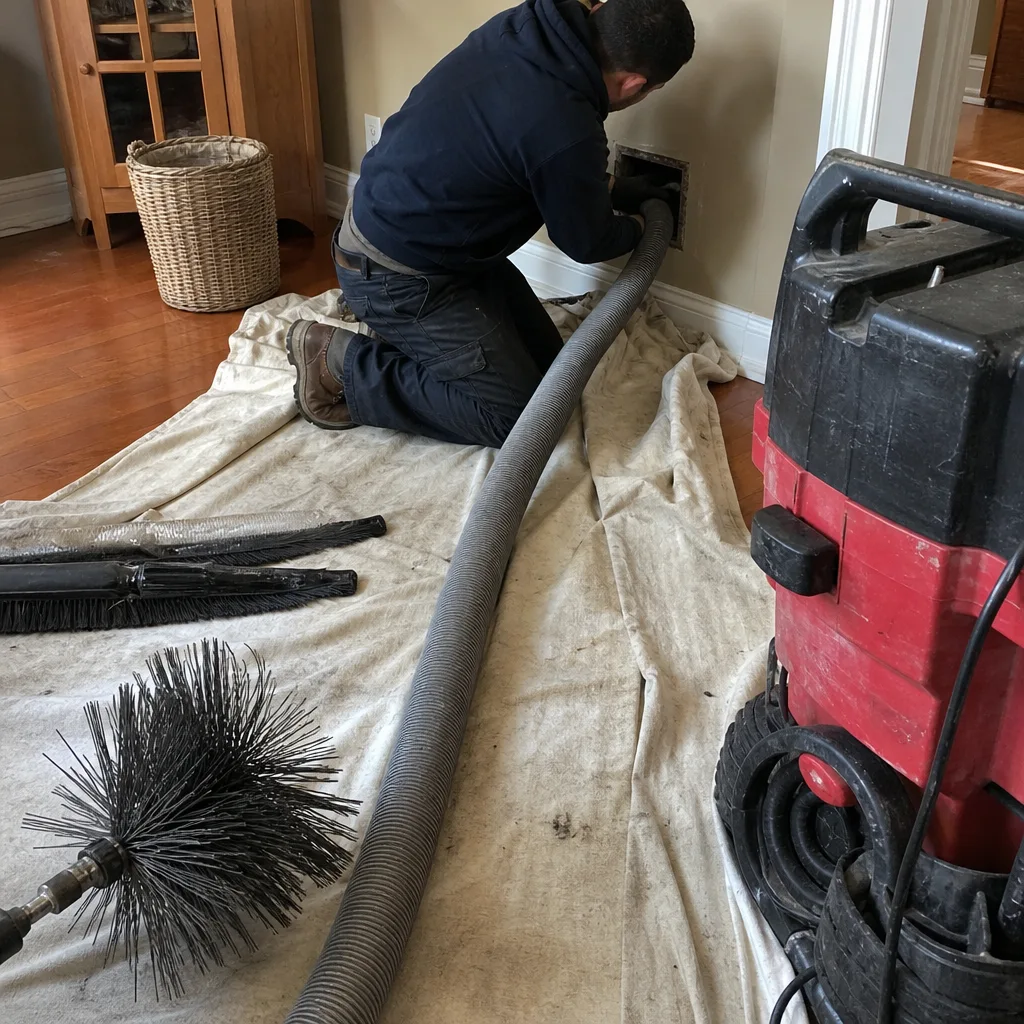 Before
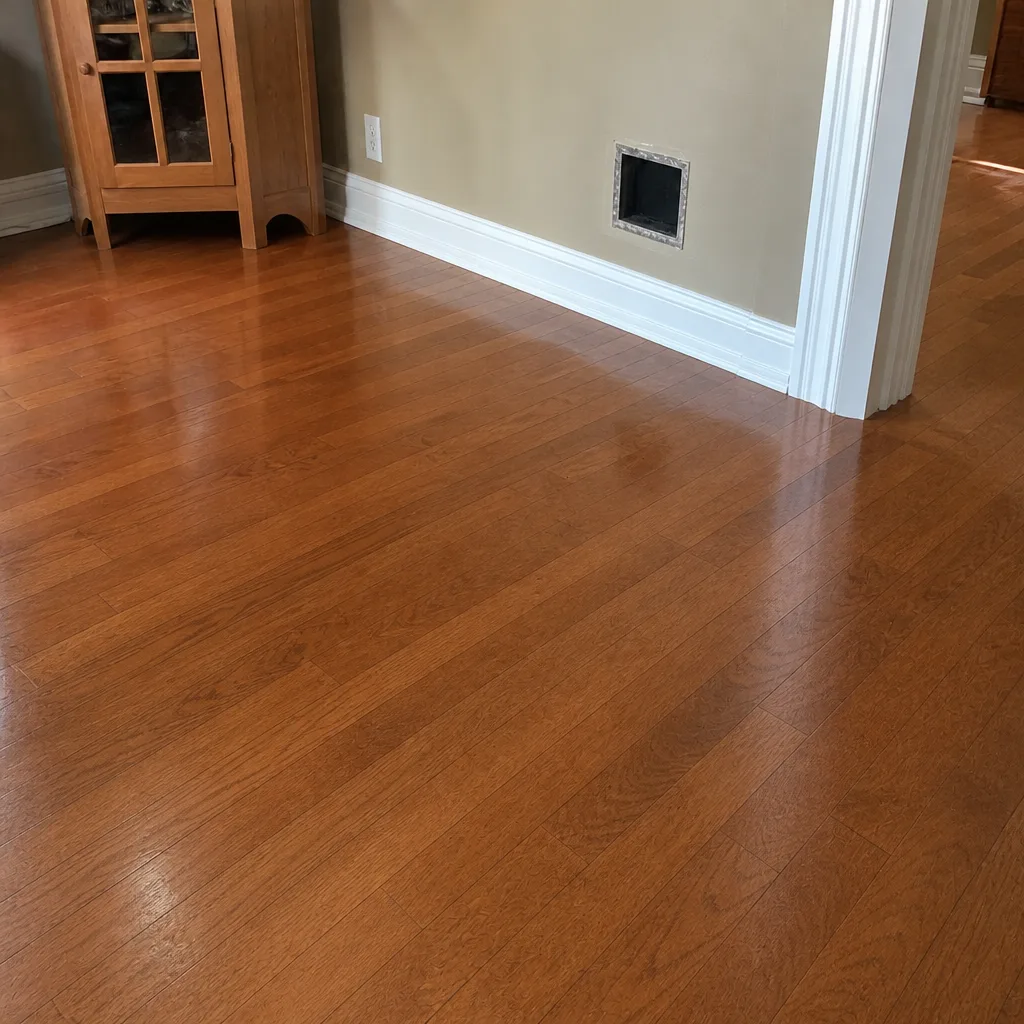 After
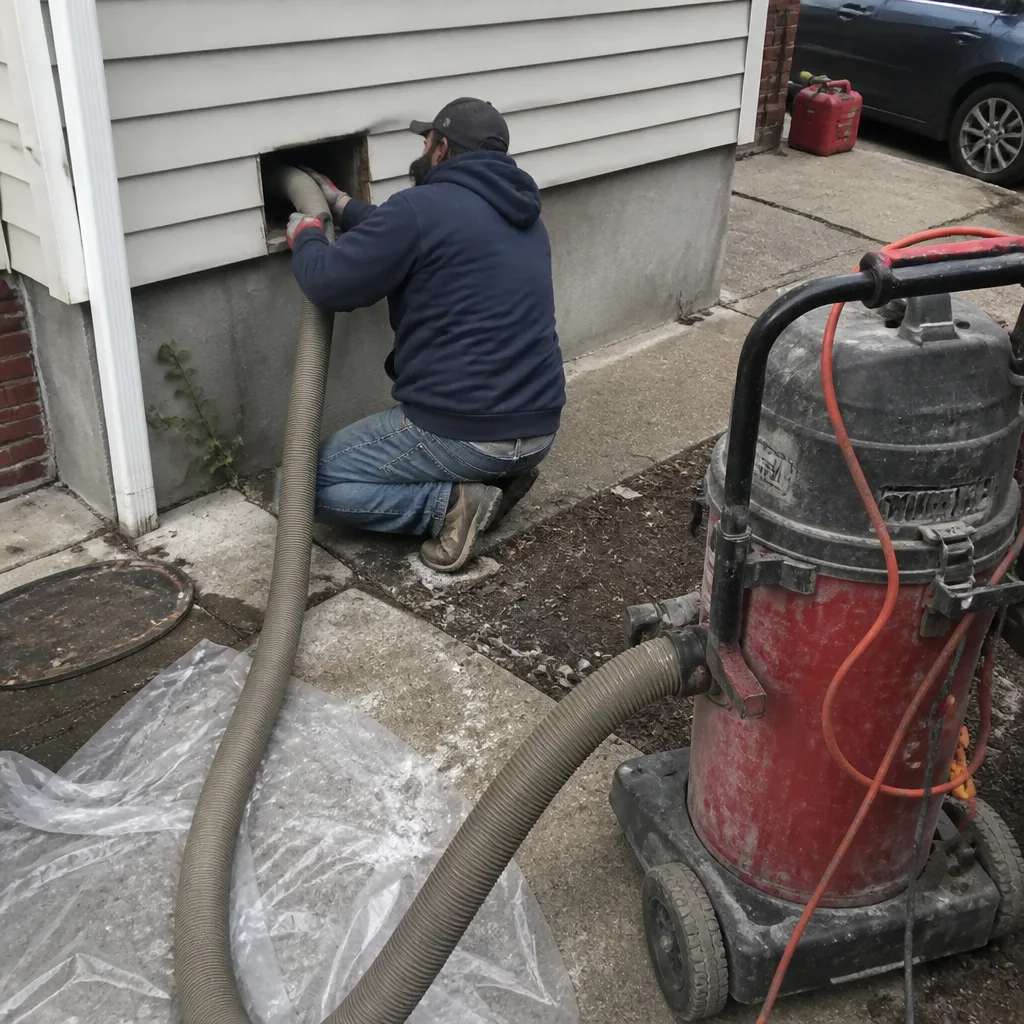 Before
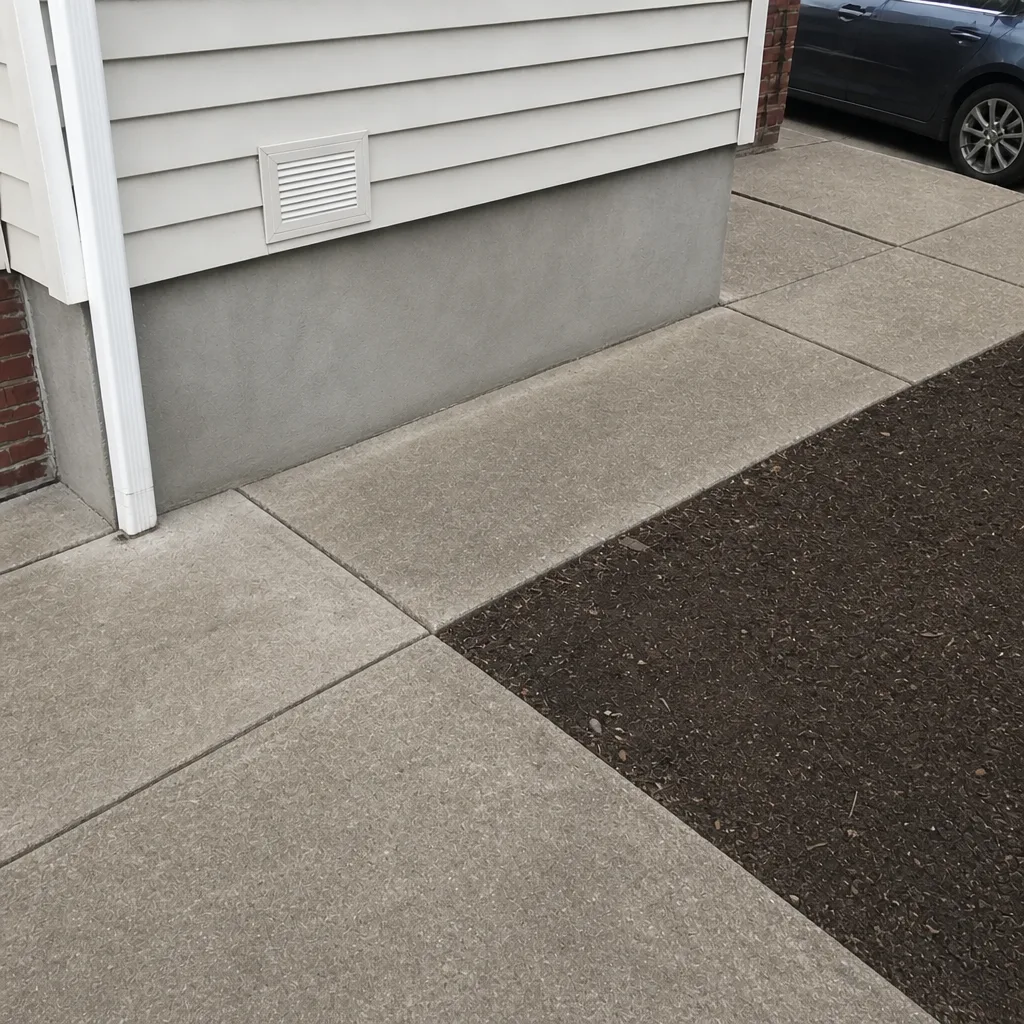 After