
Last updated November 15, 2026
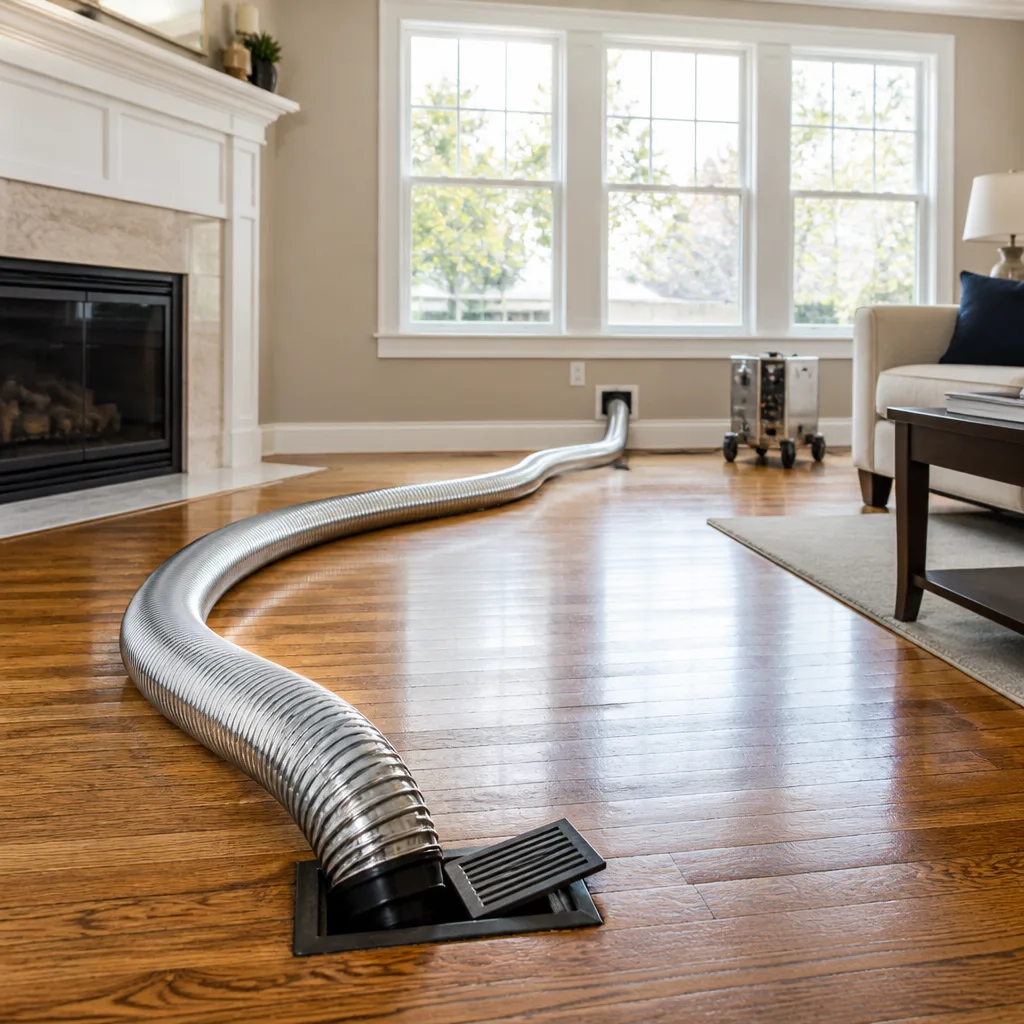 Whole-home duct cleaning
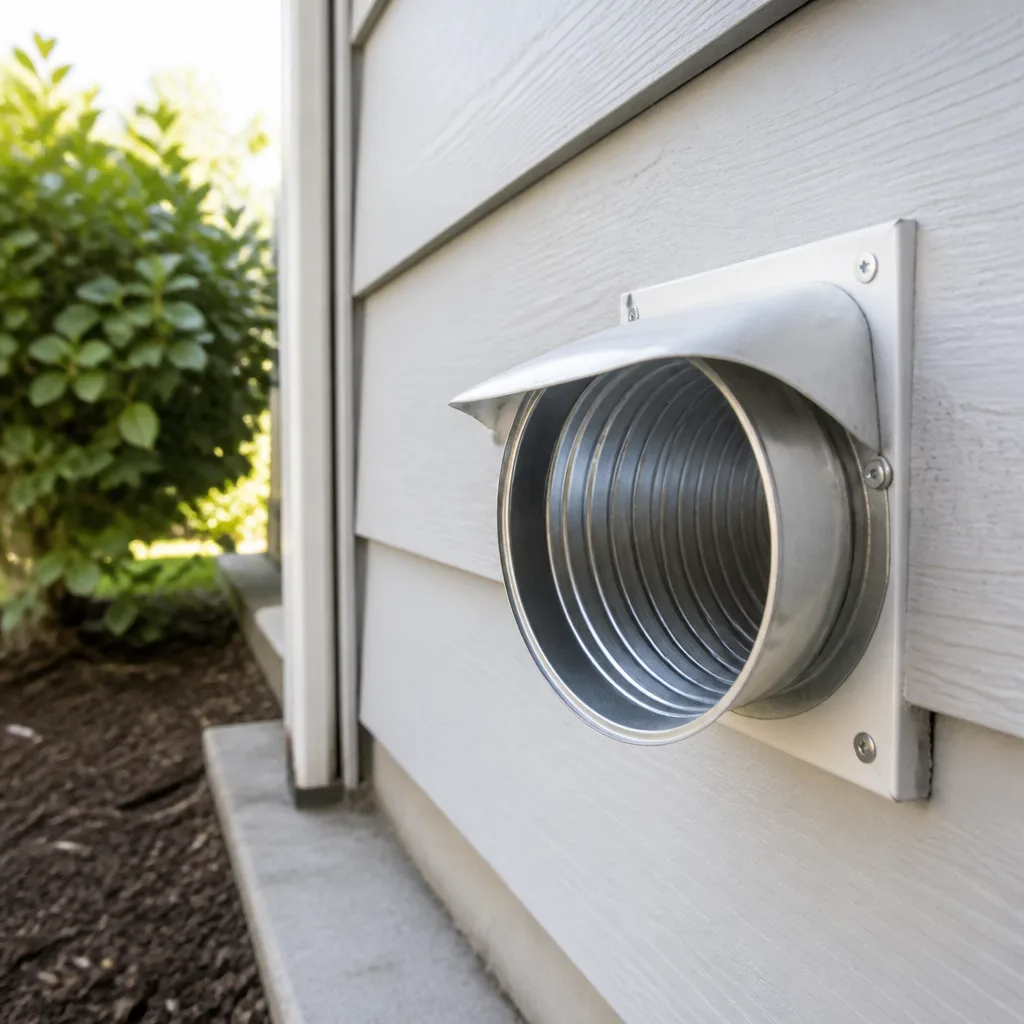 Dryer vent cleaning
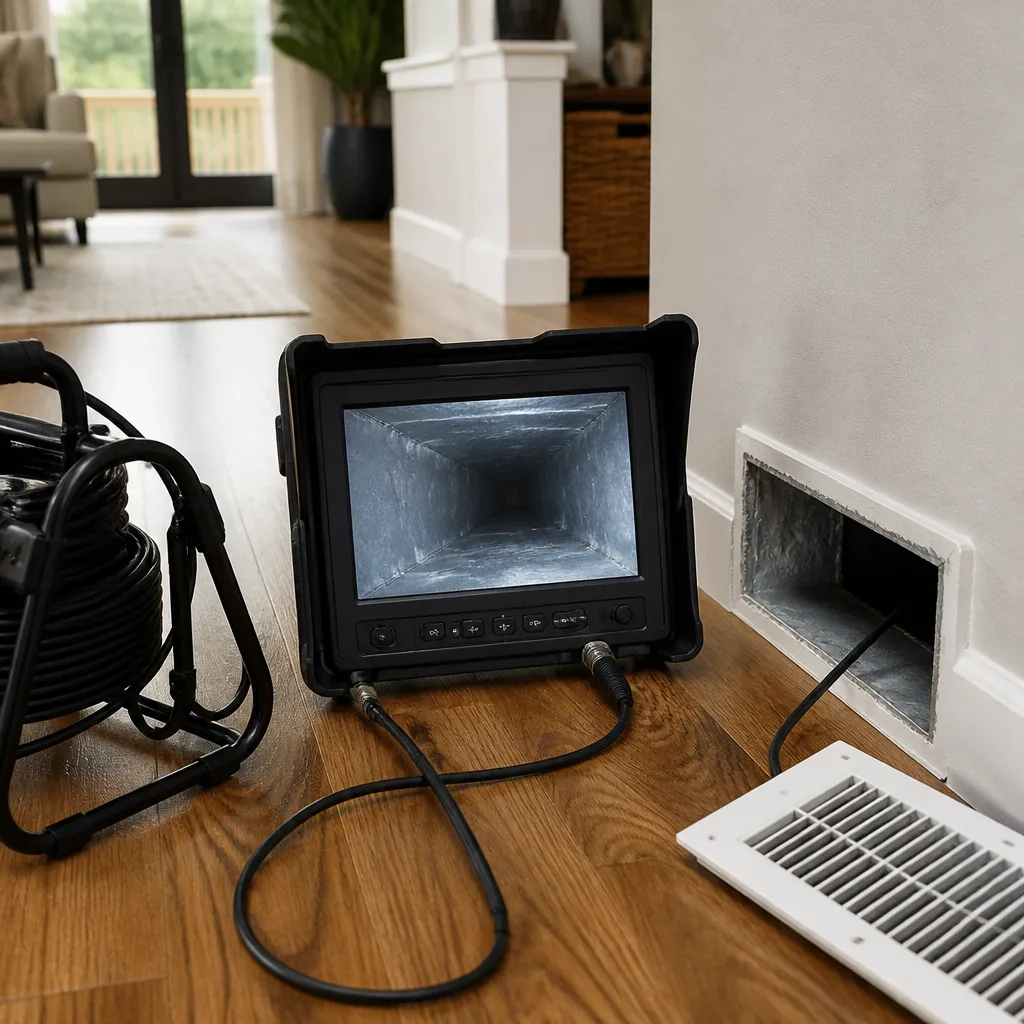 Camera inspection
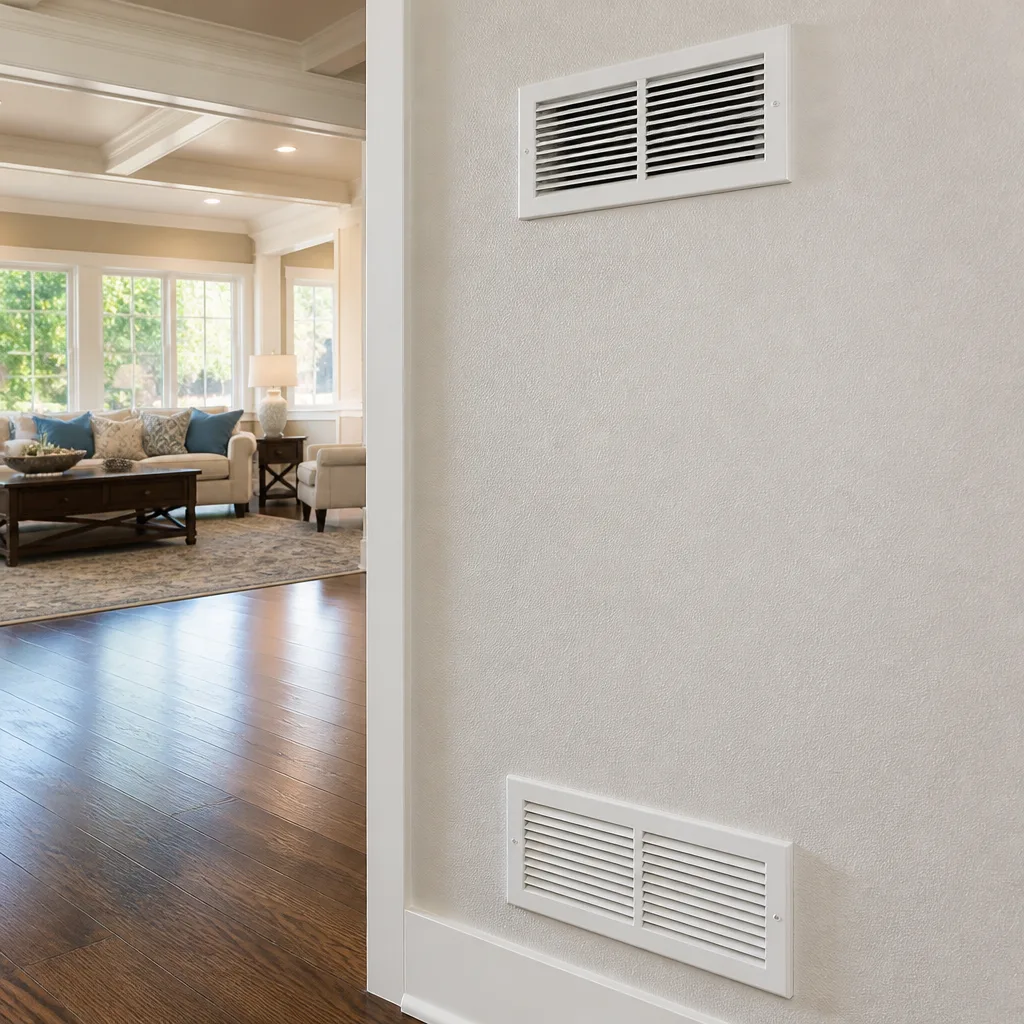 Sanitizing & deodorizing
Whole-system duct and dryer vent check with before-and-after photos - you see exactly what came out of your vents
That "$99 whole-house special" is a bait ad - the real number appears once they are in your hallway, or the "clean" is a shop-vac at the register. We photograph the inside of your ducts before and after instead.
Air Duct Cleaning Emergency Preparedness Guide for Jersey City Homes
Most Jersey City homeowners think about duct cleaning as maintenance – something you get to eventually, when the dust gets bad enough. That framing breaks down the moment water, smoke, or a sustained air quality alert hits the city. The real risk isn’t dirty ducts; it’s ducts that become a distribution system for contamination after an event, pushing mold spores or smoke residue into every room before anyone notices. And the window to act is short. This guide gives you a working protocol for before, during, and after an emergency, written for the specific ways Jersey City homes get hit.
Quick Answer
If your home has been through flooding, a fire, or a sustained smoke event, shut off the HVAC system immediately, keep it off until the ductwork is inspected and dried, and document the condition of your ducts with photos and notes before any cleanup begins. Then call a duct specialist – not a general handyman – to assess whether you need emergency drying, cleaning, or mold remediation. The three are different services with different qualifications, and mixing them up costs you time and insurance money.
Styles & brands we work with
- Whole-home duct cleaning
- Dryer vent cleaning
- Camera inspection
- Sanitizing & deodorizing
Table of Contents
- Why Jersey City Ducts Are Vulnerable in Ways Most Homes Aren’t
- Flood Event Protocol: Shut It Off, Wait, Then Inspect
- Post-Fire and Smoke Event Response
- How to Document Duct Condition for Insurance
- Emergency Drying vs. Cleaning vs. Mold Remediation
- Pre-Emergency Prep: Baseline Your Duct System
- What Equipment Should Show Up at Your Door
- The Dryer Vent Nobody Checks Until It’s a Problem
Why Jersey City Ducts Are Vulnerable in Ways Most Homes Aren’t
Jersey City sits in a spot where several risk factors overlap. The city’s older housing stock – brownstones and rowhouses in neighborhoods like Paulus Hook, Hamilton Park, and Bergen-Lafayette – was built long before modern duct design. Many of these homes have air handlers tucked into basements, crawlspaces, or first-floor utility closets, which are exactly the spaces that take on water first when heavy rain overwhelms storm drains. Add the low-lying geography near the waterfront and the tidal areas around the Hackensack and Hudson, and you get repeated flood exposure in basements that hold HVAC equipment.
Then there’s the air itself. Jersey City sits downwind of dense regional industry and heavy truck traffic along the Turnpike and port corridors. That means wildfire smoke drifting down from northern forests or a regional air quality event doesn’t just sit in the air – it loads into your return ducts, and from there it circulates through every room in the house. Older duct systems with loose joints, taped seams that have dried out, or disconnected sections in a basement or attic don’t filter that material; they collect it.
Our technicians have up to 10 years of experience, and the pattern we see in Jersey City is consistent: the duct problem was there before the event, and the event made it visible. A rowhouse with a compromised return trunk in the basement was always pulling in basement humidity. After a storm, that same trunk is pulling in standing water vapor and whatever’s growing in the wet insulation around it. The emergency didn’t create the vulnerability. It exposed it.
Flood Event Protocol: Shut It Off, Wait, Then Inspect
Here’s the most important rule after any water intrusion into a home with an air handler in the affected space: turn the HVAC system off at the thermostat and at the breaker, and leave it off. Running the system while ductwork is wet or a basement is damp spreads moisture and any biological growth starting inside the ducts through the entire house. The system is designed to move air. That’s exactly what you don’t want it doing right after a flood.
Follow this sequence:
- Shut off the system immediately. Thermostat off, then the breaker for the air handler and condenser. Don’t run it to “test” whether it’s still working.
- Get the water out of the mechanical space. Pump or extract standing water from the basement or utility closet. If the air handler sits in water, its electrical components are at risk – don’t touch them until power is off.
- Document before you clean. Photos of water lines on the basement walls, the air handler, visible duct runs, and any insulation that got wet. Timestamp them.
- Wait for professional assessment before restarting. How long depends on how wet the ductwork got and whether flexible duct or duct board absorbed water. A duct specialist can measure moisture and tell you whether the system is dry enough to run. Restarting too early is the most common mistake.
- Expect an inspection of the whole system, not just the wet part. Water travels. Ductwork in a Jersey City basement often connects to runs feeding the first floor, and moisture wicks into insulation along the way.
Flexible duct and duct board that have been soaked usually can’t be dried in place – they need replacement. Sheet metal duct can often be dried, cleaned, and returned to service. A proper assessment tells you which you’re dealing with before you make an insurance decision.
Post-Fire and Smoke Event Response
Fire and smoke events work differently from floods, but the duct response has the same logic. Smoke residue – soot particles, ash, and the fine material that lingers after a fire is out – settles into duct surfaces and insulation. Every time the system runs afterward, it re-releases that material into the living space. The smell is the obvious signal. The fine particulate is the less obvious one.
After any fire in or near the home, whether the ductwork itself was involved or not, keep the system off until the ducts have been inspected. A duct specialist examines the interior of the ductwork, checks for soot deposits on the fan and coil, and determines whether cleaning is enough or whether contaminated sections need attention. If the fire was contained to one room, the ducts in adjacent zones still pick up smoke because the system was running or because smoke migrated through the structure.
Wildfire smoke incursions are a different case. When regional air quality alerts persist for days, Jersey City homes with leaky return systems pull smoke into the ductwork, and it doesn’t just vent back out. It coats surfaces and builds up in filters and insulation. After a sustained smoke event, it’s worth having the ducts inspected, especially if you notice a lingering smoke smell indoors days after the outside air has cleared. If it’s still there, the ducts are holding it.
We use Abatement Technologies air filtration equipment during service – the same category of negative-air machines used in professional remediation – because we don’t want the cleaning process itself releasing that material back into your home. Containment matters more, not less, when the source is smoke residue.
How to Document Duct Condition for Insurance
After a water or smoke event, the difference between a paid claim and a disputed one usually comes down to documentation collected in the first 48 hours. Adjusters aren’t guessing – they need to see the condition of the duct system before cleanup, and they need a clear link between the event and the damage.
What adjusters actually use:
- Before-cleanup photos of the mechanical space – water lines on basement walls, the air handler in its wet state, visible duct runs and insulation before anything is moved.
- Photographs of the duct interior, taken by a duct specialist with a camera scope or similar equipment. Homeowners can’t realistically capture this themselves, so schedule an inspection and keep the report.
- Timestamped notes on what was wet, how long it was wet, and when the system was shut off. A simple written log is enough.
- Before-and-after photos of the ducts taken during the cleaning or repair, showing what was removed and what condition the ducts were in before service.
- A written assessment from the duct specialist that identifies damaged sections, moisture readings, or contamination, and explains what’s needed to restore the system.
We provide before-and-after photos of your own ducts as a standard part of every job. That documentation is useful to you, and it’s exactly what an adjuster needs when you file. If your insurer asks for more detail, we can work with them on the assessment.
Emergency Drying vs. Cleaning vs. Mold Remediation
These three get lumped together constantly, and the difference matters when you’re choosing who to call. They involve different equipment, different skill sets, and sometimes different contractors.
Emergency duct drying is a moisture-removal service. It happens after water intrusion but before any biological growth develops. High-capacity air movers and dehumidifiers draw moisture out of the ductwork and mechanical space. It’s time-sensitive: the earlier it starts, the less likely mold develops. Not every duct-cleaning company offers it, and if the affected ductwork is flexible duct or duct board that absorbed water, drying may not save it.
Emergency duct cleaning removes accumulated contamination – soot, ash, flood-borne debris, settled dust that’s been disturbed by an event. It’s the proper service when the ductwork is dry but dirty, or when smoke residue has settled in. Professional-grade equipment matters here: the cleaning system has to agitate and extract material from the full length of the duct run, not just vacuum the visible opening.
Mold remediation is a separate discipline. It’s needed when mold has already established inside the ductwork or the surfaces around it. Remediation involves containment, removal of affected materials, treatment, and verification that the space is clear. Some duct-cleaning companies handle this; others don’t. If a company can only offer cleaning when remediation is what’s needed, you’ll get a surface result that doesn’t address the problem. Ask directly which service you need, and don’t skip the question.
In practice, a Jersey City home after a basement flood often needs a combination: drying first, then cleaning, then an air duct repair if the water damage compromised any duct sections. Our three services – air duct cleaning, dryer vent cleaning, and air duct repair – exist because these problems don’t come in a single package. We clean, and if something’s broken, we fix it.
Pre-Emergency Prep: Baseline Your Duct System
The best time to document your ducts is before anything happens to them. A baseline record lets you prove what your duct system looked like before an event, which is exactly what an adjuster needs to separate pre-existing wear from event damage. Without it, you’re arguing from memory.
Here’s how to baseline a Jersey City home’s duct system in a single afternoon:
- Schedule a duct inspection and cleaning when the system is in normal condition. Keep the report and the before-and-after photos. This becomes your reference point.
- Note the location and condition of the air handler. Basement? Utility closet? Attic? Photograph the space around it, including where the ductwork connects.
- List every duct run and register you can see, especially in the basement where the systems are most exposed. Fewer surprises post-event.
- Identify the duct material. Sheet metal, flexible duct, or duct board. If you’re not sure, the inspection report will tell you – and that matters, because flexible duct and duct board respond to water very differently than sheet metal.
- Keep an ongoing cleaning schedule. A duct system cleaned on a maintenance schedule is easier to restore after an event and easier to document as damaged.
Jersey City homes with older duct systems benefit most from this. The pre-existing weak spots – taped seams that have dried out, a return trunk that’s pulled loose – are the places where water and smoke get in first. Knowing where they are before an emergency tells you where to look after.
What Equipment Should Show Up at Your Door
Duct cleaning has a low barrier to entry, and the difference shows up in the equipment. A generalist with a shop vac and a flexible wand is not the same as a specialist with a purpose-built cleaning system. When you’re dealing with post-flood or post-smoke contamination, equipment choices are the difference between cleaned ducts and disturbed contamination.
Professional-grade duct cleaning uses two things amateurs skip: a powered rotary brush or agitation system that reaches the full length of the duct, and high-volume negative-pressure extraction that captures what’s loosened instead of leaving it to settle back down. We run Rotobrush rotary-brush cleaning systems and Nikro professional HVAC cleaning equipment, both recognized names in the trade, and we use Abatement Technologies filtration equipment for containment during service. For ongoing air filtration after cleaning, we install and recommend Honeywell and Aprilaire air quality products. Better air starts with the right equipment, and the equipment should be visible when the technician arrives.
Ask what equipment a company uses before you book. If the answer is vague, that’s your answer. For a Jersey City home in post-event recovery, you don’t want to be someone’s practice run.
The Dryer Vent Nobody Checks Until It’s a Problem
Duct emergency prep usually focuses on the HVAC system, but the dryer vent is the piece of ductwork with the highest fire risk in any home. Lint accumulates on the interior walls of the vent run, and over time it can restrict airflow, raise dryer temperatures, and create the conditions for a fire. In Jersey City rowhouses and brownstones, the vent run is often long, with multiple bends and a discharge point that’s easy to forget about. That geometry is where lint builds up fastest.
A blocked dryer vent isn’t an emergency until it is. Regular dryer vent cleaning keeps the run clear, and professional inspection catches the kinked or disconnected sections that a household vacuum can’t reach. If your dryer is taking longer to dry clothes, the outside of the dryer is hot to the touch, or you notice a burning smell, stop using the dryer and have the vent checked. This is a fire hazard waiting to happen – worth taking as seriously as your ductwork.
If you’re already scheduling a duct inspection after an event, add the dryer vent to the same visit. It’s the most overlooked system in the house, and it’s the one with the clearest safety stake.
Common Mistakes to Avoid
- Running the HVAC system right after a flood. The instinct is to test whether it still works. Don’t. Running a wet system spreads moisture and spores through the entire home.
- Skipping photos before cleanup. In Jersey City, where post-storm insurance claims are common, adjusters need to see the duct condition as it was, not after it’s been wiped down. Photograph first, clean second.
- Hiring a generalist for post-event ducts. A handyman with a shop vac can’t do containment, can’t assess mold, and can’t tell you whether your flexible duct needs replacement. For post-event work, use a duct specialist.
- Confusing cleaning with remediation. If mold is present, cleaning alone doesn’t solve it. Ask which service you actually need before work starts.
- Ignoring the dryer vent during a duct visit. In a Jersey City rowhouse, the dryer vent run is often the longest, most overlooked duct in the house. Have it checked at the same time.
- Restarting the system before professional verification. “It feels dry” is not the same as a moisture reading. Wait for the assessment.
- Not keeping the duct inspection report. The report is your documentation, your insurance evidence, and your baseline for future events. File it.
See the difference
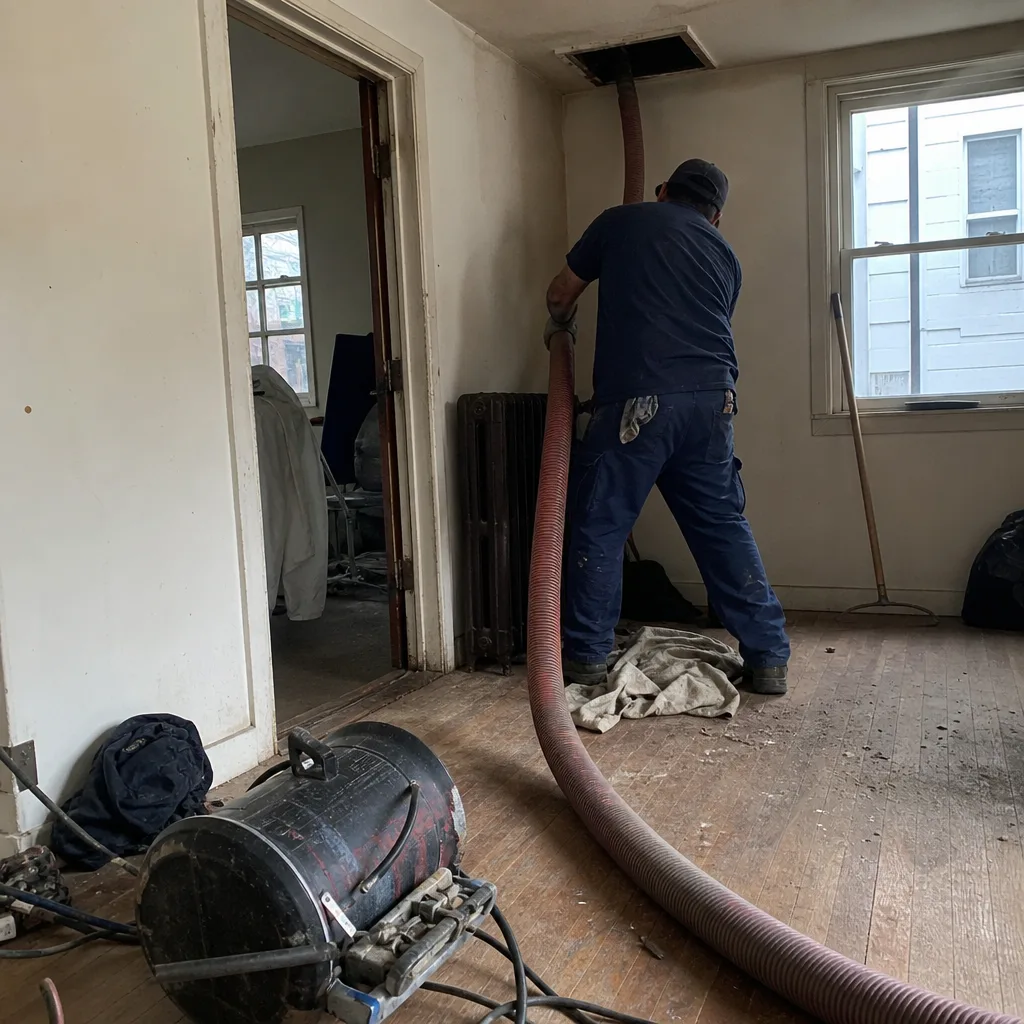 Before
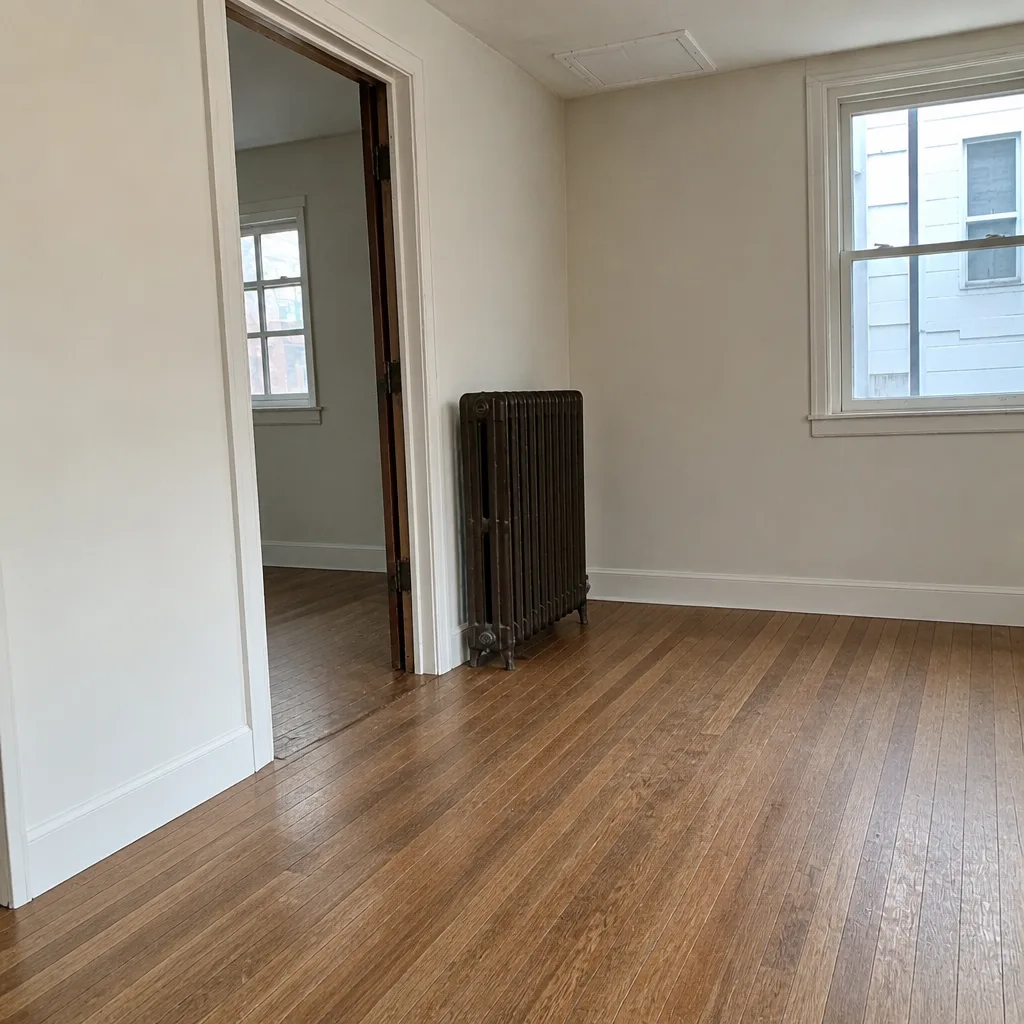 After
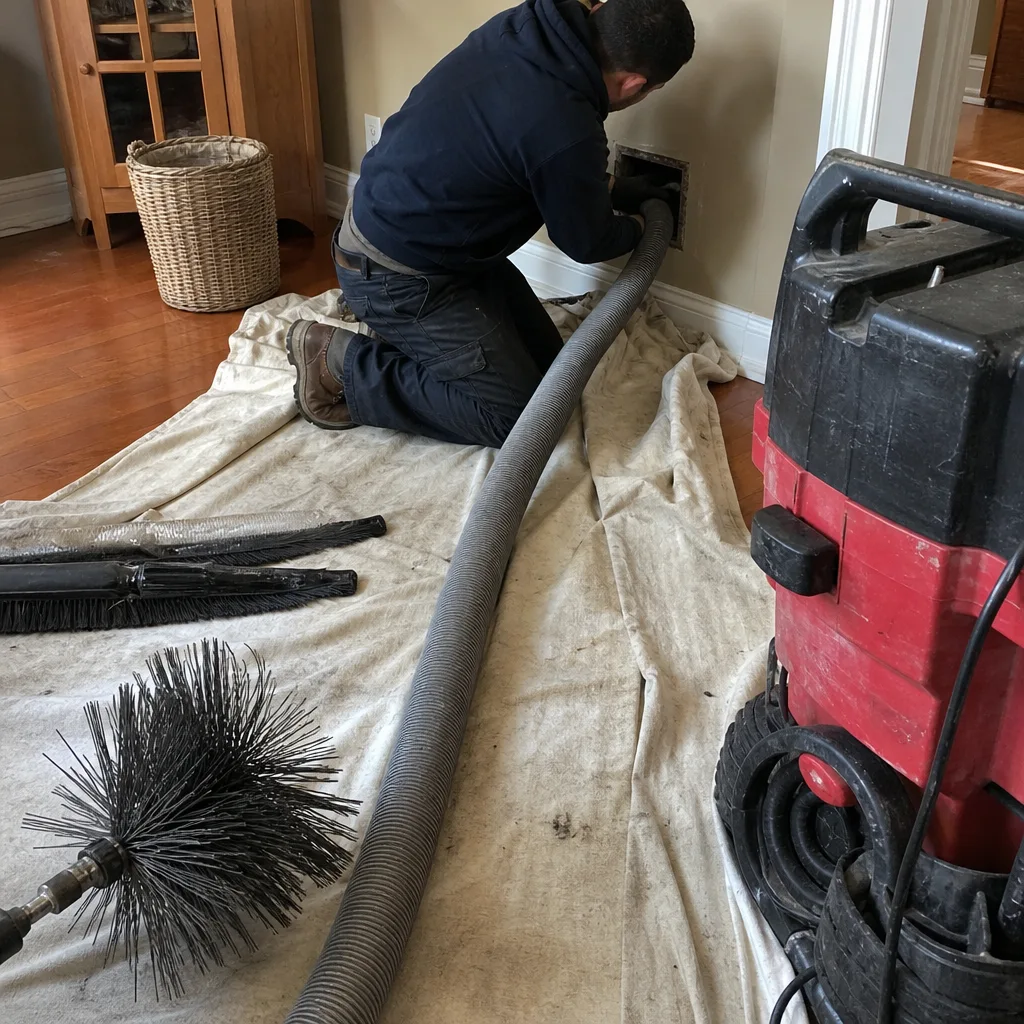 Before
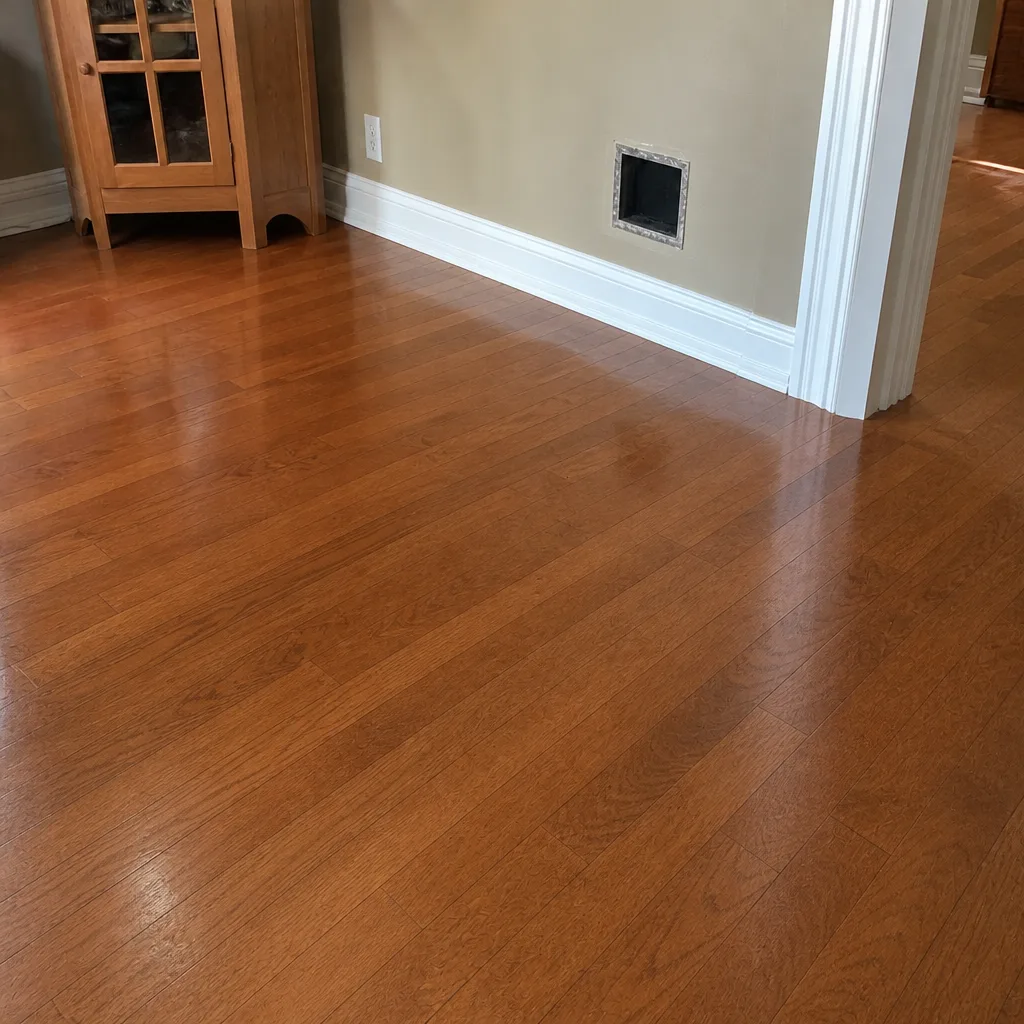 After
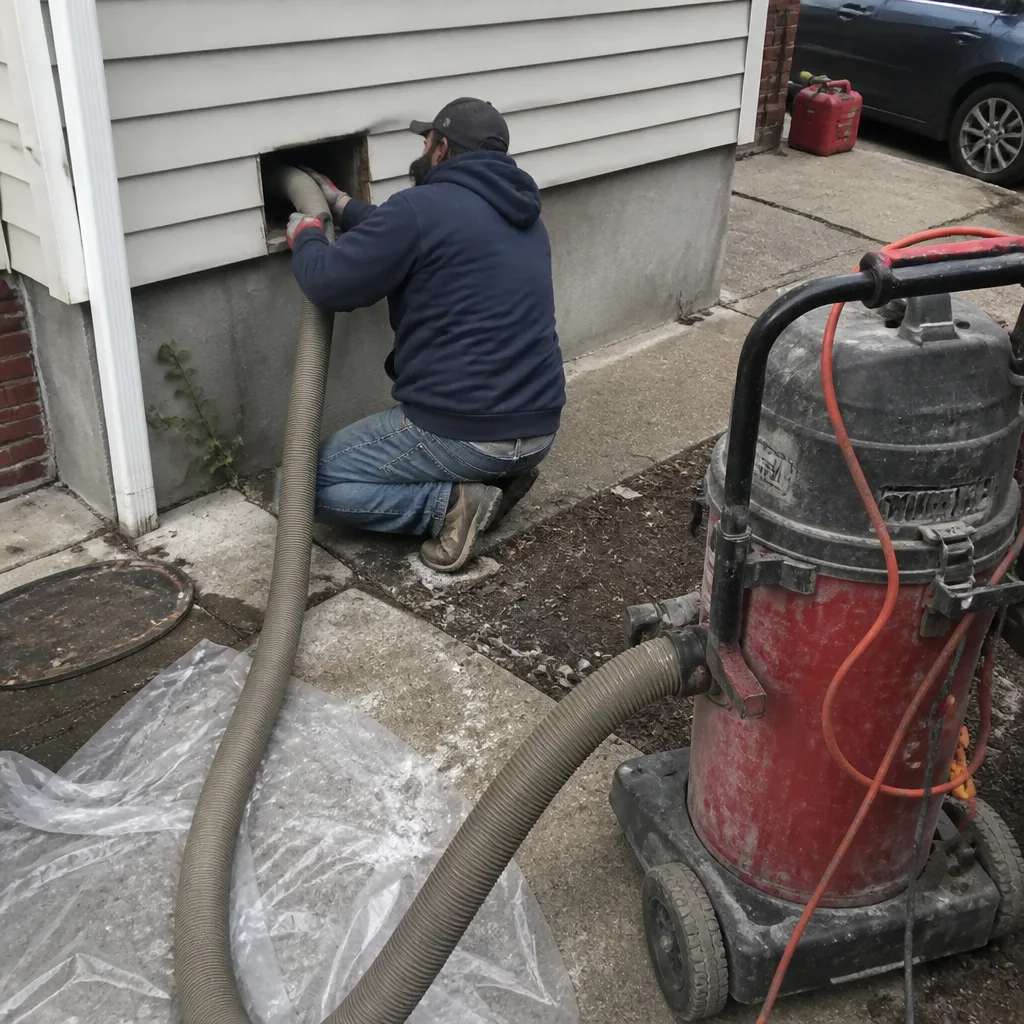 Before
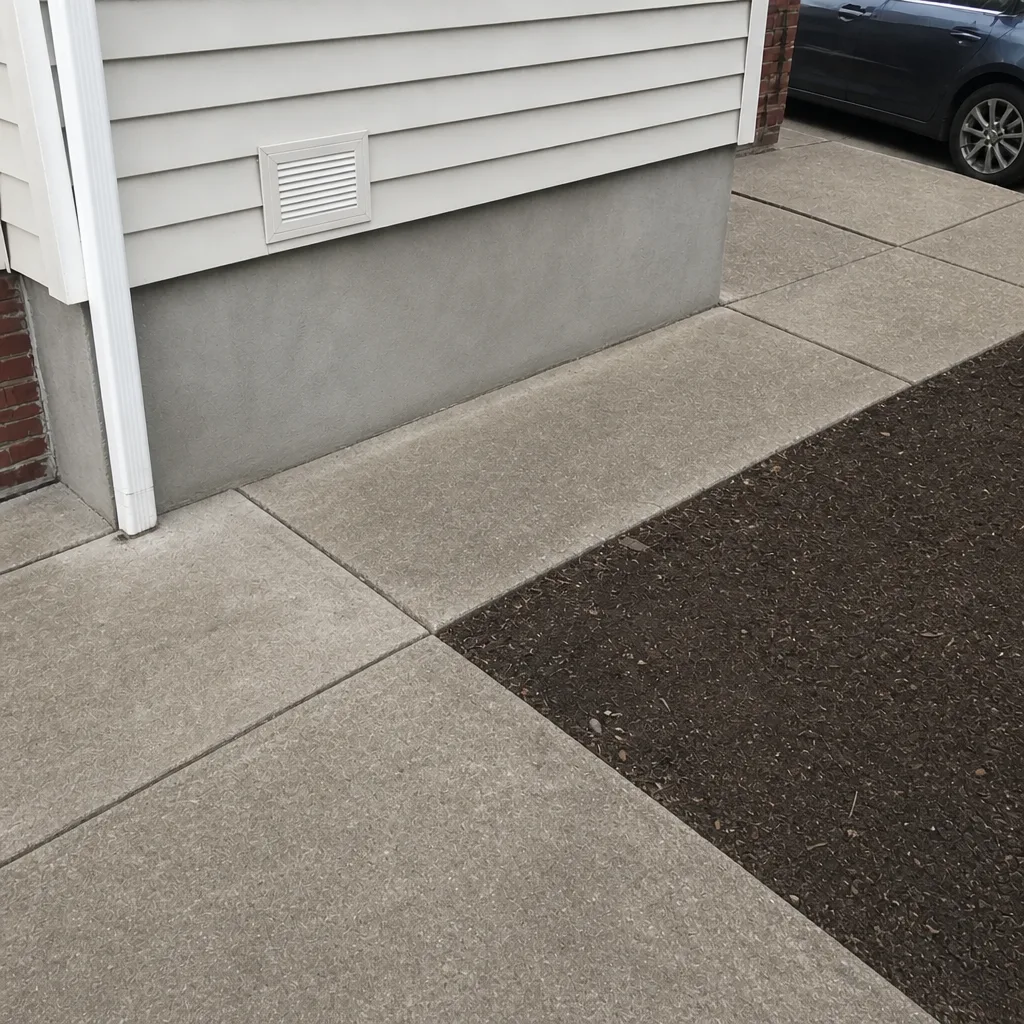 After
When to Call a Professional
Call a duct specialist when water has reached the air handler or any duct run, when you notice a persistent smoke or musty smell indoors days after an event, when you see visible mold or discoloration around ducts or registers, when your dryer is running hot or taking longer to dry, or when you’re filing an insurance claim and need documentation of duct condition. In any of these cases, the right move is an inspection before you decide what service you need – cleaning, drying, remediation, or repair. Duct Cleaning Jersey City offers free estimates in Jersey City – call (844) 834-2949.
Frequently Asked Questions
As soon as the water is out and the system is off, ideally within 48 to 72 hours. Mold can begin developing on wet surfaces in that window, and the earlier a specialist assesses the ductwork, the more likely drying is enough and replacement isn’t needed. Call (844) 834-2949 for an exact quote – estimates are free.
No. Running the HVAC system while the ductwork or mechanical space is wet spreads moisture and any growing spores through the entire house. Keep the system off until a specialist has measured moisture and confirmed the ducts are dry enough to run.
Typical whole-system air duct cleaning in Jersey City falls in the range of a few hundred dollars for a straightforward system, with the exact price set by the written estimate after a specialist reviews the home. Post-event work involving drying, contamination, or repair costs more because the scope is larger. We don’t quote per-vent prices – we agree one flat price per system before work starts. Call (844) 834-2949 for an exact quote – estimates are free.
Cheap quotes usually skip the equipment that makes professional cleaning effective – no rotary-brush system, no high-volume negative-pressure extraction, no containment equipment. They may also price per vent with teaser rates that grow once work begins. Ask what equipment a company uses and whether the price is a flat per-system figure agreed before work starts.
Ask for before-and-after photos of your own ducts as part of the service. We provide them as standard. Combined with the written estimate and scope, that gives you a clear record of what was cleaned and what condition the system was in.
For most Jersey City homes, a cleaning every few years is reasonable, and more often if you’re near heavy traffic corridors, have pets, or have been through an event like a flood or a sustained smoke alert. After any event, schedule an inspection regardless of when your last cleaning was.
For scheduling, call (844) 834-2949. We answer 24/7. Fast dispatch from 7am to 7pm, Sunday through Friday.
The Bottom Line
Emergency preparedness for ductwork comes down to a short list: know your system, document it before anything happens, shut it off when water or smoke gets in, and call a specialist who can distinguish between drying, cleaning, and remediation. Jersey City homes face real flood exposure in basements and utility spaces, plus recurring regional air quality events, which means the protocol matters more here than in most places. Duct Cleaning Jersey City handles all three services under one roof, with the professional-grade equipment – Rotobrush, Nikro, Abatement Technologies – that post-event work demands. For Duct Cleaning Jersey City, call (844) 834-2949 for a free estimate. Estimates are free.
Written by the team at Duct Cleaning Jersey City.