
Last updated November 15, 2026
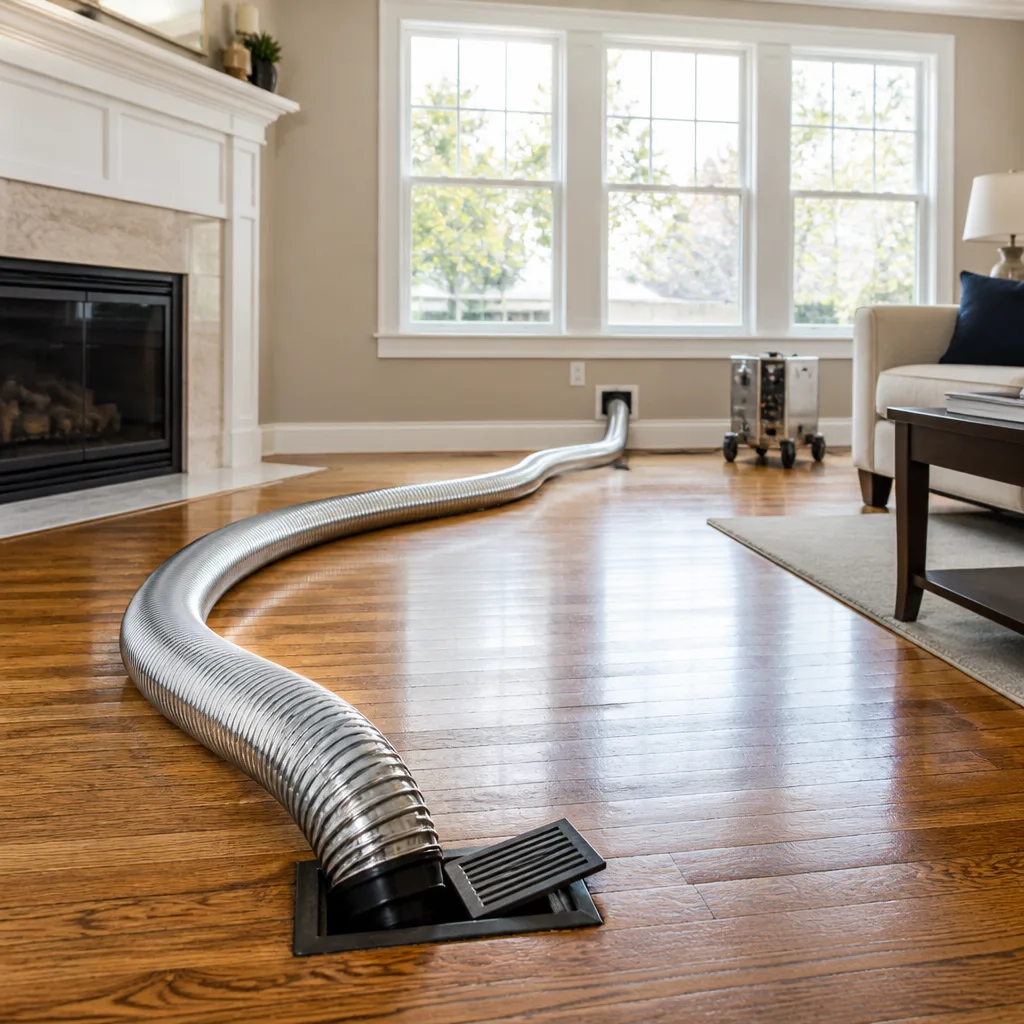 Whole-home duct cleaning
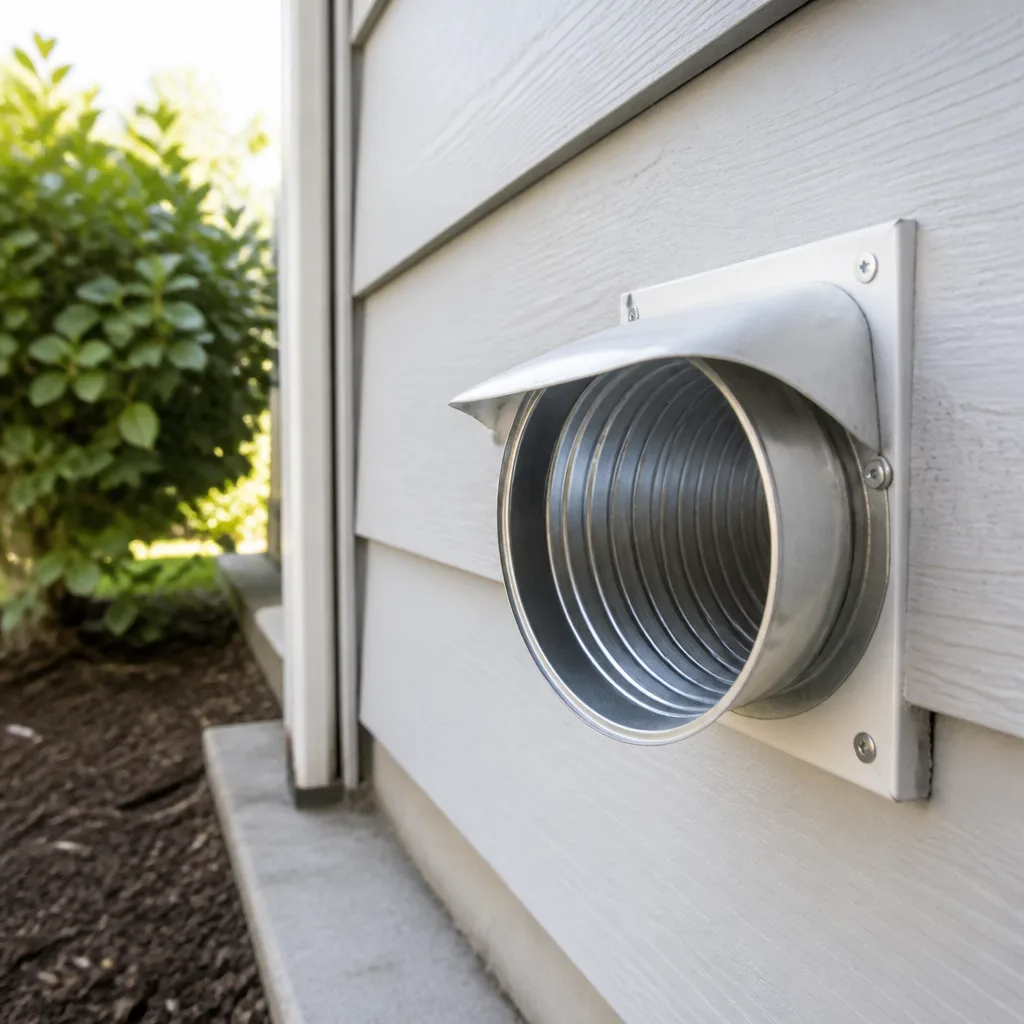 Dryer vent cleaning
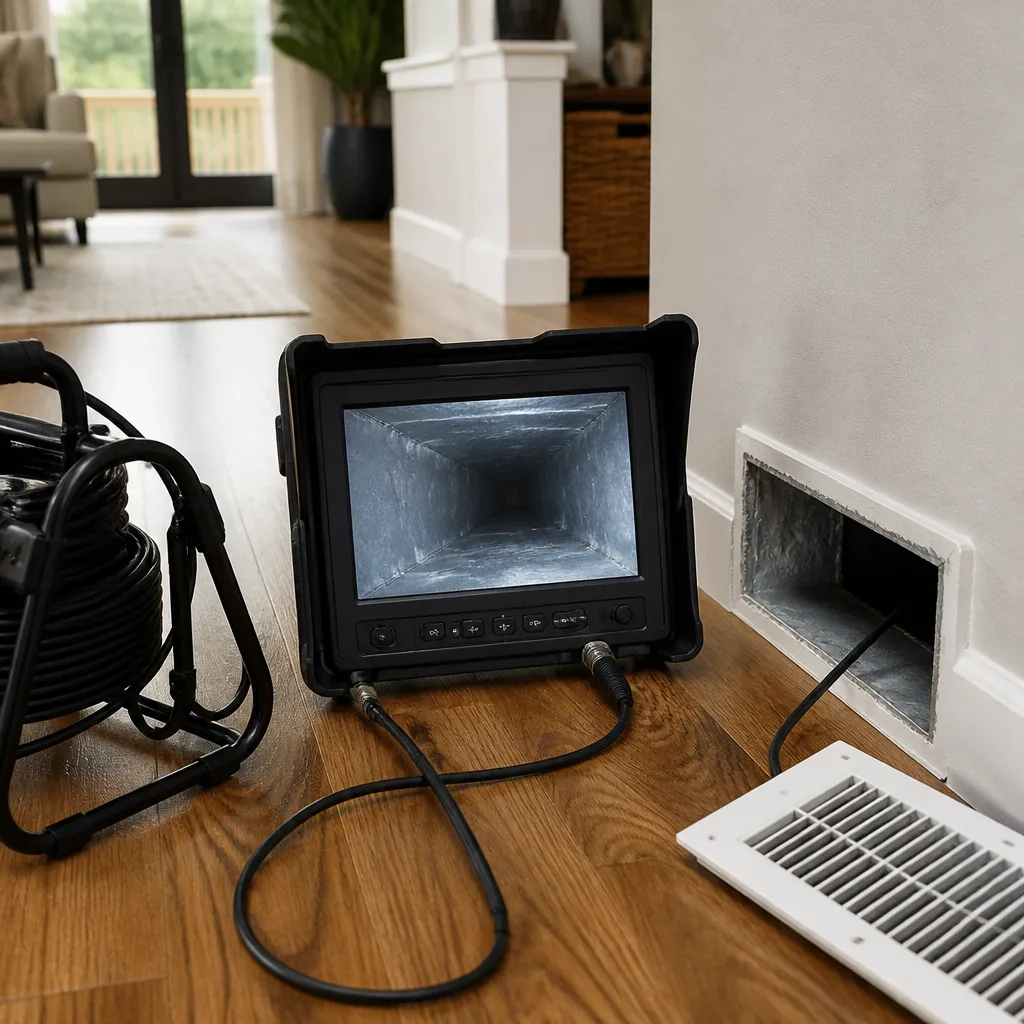 Camera inspection
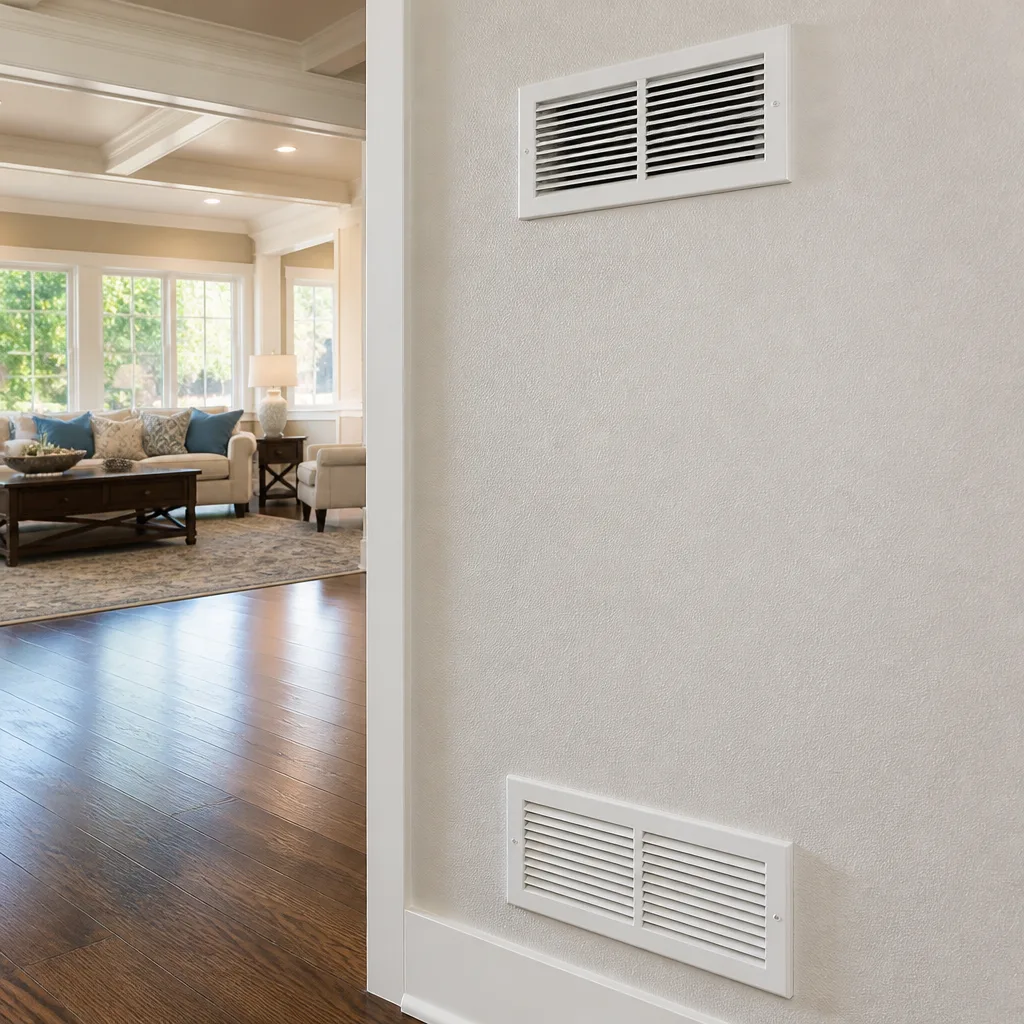 Sanitizing & deodorizing
Whole-system duct and dryer vent check with before-and-after photos - you see exactly what came out of your vents
That "$99 whole-house special" is a bait ad - the real number appears once they are in your hallway, or the "clean" is a shop-vac at the register. We photograph the inside of your ducts before and after instead.
Air Duct Cleaning Maintenance Schedule: What to Do and When
If you cleaned your ducts right before a gut renovation, you wasted the money. Construction dust recontaminates a whole system in weeks, not years, and the cleaning you paid for is gone before the drywall is up. The same logic runs the other way: a two-person household with no pets in a tight condo can stretch a cleaning interval well past the generic “every three to five years” advice you’ll find everywhere online, because nothing in that home is loading the system fast enough to matter. The universal calendar is a starting point, not a schedule. In this guide we’ll show you how to build a maintenance plan around the variables that actually drive contamination in your home, with specific attention to the housing stock and airflow quirks you find across Jersey City.
Quick Answer
There is no single correct interval for air duct cleaning. Most homes fall somewhere between every two and every five years, but the right number for your house depends on four things: how many people and pets live there, whether you’ve renovated recently, whether anyone in the home has allergies or asthma, and how old and how hard-working your HVAC system is. Build your schedule around those four variables instead of a fixed calendar, and check your filters on a 30-day rhythm after every professional cleaning. Homes in Jersey City’s older brownstone conversions and high-rise buildings often need shorter intervals than the national average because of shared air handlers, plaster dust, and basement-to-living-space renovations.
Styles & brands we work with
- Whole-home duct cleaning
- Dryer vent cleaning
- Camera inspection
- Sanitizing & deodorizing
Table of Contents
- The Maintenance Matrix: Four Variables That Set Your Interval
- Jersey City-Specific Triggers Most Guides Ignore
- What to Do Between Professional Cleanings
- Filter Grade Selection: What Actually Works
- The 30-Day Post-Cleaning Check (Don’t Skip It)
- How to Document Cleanings and Filter Changes
- When Cleaning Isn’t the Answer: Duct Repair
- Common Mistakes to Avoid
- When to Call a Professional
The Maintenance Matrix: Four Variables That Set Your Interval
The “clean every three to five years” rule assumes an average home with an average load. Almost nobody lives in an average home. Here’s how to adjust the baseline for the realities of your household.
Variable 1: Pets
One dog or cat roughly doubles the particulate load on your return system. Two or more pets, especially double-coated breeds that shed seasonally, can push a system toward contamination in eighteen months. Pet dander and hair mat together on return grilles and inside flex duct, and once that mat forms it restricts airflow, which raises static pressure, which pulls more dust into every joint. If you have pets, take the low end of any interval you read and cut it by a third.
Variable 2: Renovation History
This is the single biggest resets-the-clock variable. Drywall dust, plaster dust, sawdust, and insulation fibers from a kitchen or bathroom renovation get pulled into return ducts within hours of the first cut. If you renovate and don’t seal returns, the system is contaminated by day two. Clean after the renovation, not before, and if the renovation is a gut job, plan a second cleaning six to eight months later to catch what settled into the duct walls after the first pass.
Variable 3: Allergy and Asthma Occupants
If someone in the home has diagnosed allergies, asthma, or a respiratory condition, the cleaning interval becomes a health decision rather than a maintenance preference. For those households, we recommend the shorter end of the range and a stricter filter-change cadence. It’s worth talking to your doctor about what particulate reduction actually helps, because duct cleaning alone won’t fix a mold problem or a pest issue, and it should never be sold that way.
Variable 4: System Age and Runtime
A system that runs most of the year, which describes most Jersey City apartments and condos given our summers and shoulder seasons, cycles far more air than a system in a milder climate. That running time is what drives dust into the ductwork. An older system with original flex duct and tired joints is also more likely to leak, and leaks pull dirty air from unconditioned spaces into the supply side. If your system is more than fifteen years old and you’ve never had it cleaned, start with an inspection.
- Baseline home (no pets, no renovation, no allergies): every four to five years
- One pet: every two to three years
- Two or more pets, or a heavy shedder: every eighteen months to two years
- Recent renovation: clean after, then again in six to eight months
- Allergy or asthma occupants: every two years, with stricter filter cadence
- System over fifteen years old, never cleaned: inspect now, clean based on findings
Jersey City-Specific Triggers Most Guides Ignore
Generic maintenance advice is written for single-family homes in mild climates. Jersey City isn’t that. The housing stock here creates duct contamination patterns you won’t read about on a national chain’s blog.
High-Rise Condo Shared Air Handlers
In Jersey City’s waterfront high-rises and downtown towers, the air handler in your unit often shares a return plenum or a shaft with neighbors. That means particulate from other units can migrate into yours through joints and gaps. If you’re in a shared-handler building and you smell a neighbor’s cooking or cigarette smoke, your system is pulling air from adjacent units, and that’s a signal to clean more often and to think about filtration upgrades. A Honeywell or Aprilaire media filter in a condo setup can make a real difference to what crosses from one unit to another.
Brownstone and Rowhouse Conversions with Plaster Dust
Jersey City’s older brownstones and rowhouse conversions were built before drywall existed, and the plaster walls shed fine dust whenever they’re disturbed. Renovations in these buildings produce a different dust profile than modern construction, and the plaster particles are finer and travel further into ductwork. If you live in a converted brownstone in Jersey City Heights or Hamilton Park, or anywhere in the older residential blocks, treat any interior work as a trigger for a cleaning.
Basement-to-Living-Space Conversions
A lot of Jersey City homes have had their basements finished into living space, often with a new supply run extended off the original trunk. Those retrofit runs are usually flex duct, and flex duct with a long run and multiple bends collects dust faster than rigid metal. If your home has a basement conversion, check whether the added supply runs are flex, and if they are, shorten your cleaning interval and inspect them yearly.
If you’ve read enough and want an honest assessment of your specific system, our air duct cleaning service starts with an inspection of exactly these conditions.
What to Do Between Professional Cleanings
Most of the value in a maintenance program comes from what happens in the eighteen to forty-eight months between cleanings. Here’s the between-cleaning routine that actually predicts contamination.
- Check the return grille every 30 days. Pull it off and look at the inside face. A light, even film of dust is normal. A visible mat, gray fuzz, or anything you can write in with a fingertip means particulate is loading faster than your filter is capturing, and your interval should shorten.
- Change or clean the filter on the schedule the filter grade demands. A cheap fiberglass filter doesn’t need changing often, but it also doesn’t protect your ductwork. A thicker media filter loads slower and captures more, but it also needs checking more carefully. See the filter section below.
- Watch your energy bill season over season. A gradual rise in the same season year over year is a soft signal of restricted airflow. It’s not diagnostic on its own, but combined with a dirty return grille it points toward the system.
- Smell the supply registers when the system starts up. A musty or dusty smell at startup means dust and possibly biological growth are sitting in the duct or on the coil. That’s a call-a-professional signal, not a filter issue.
- Note any renovation before you start it. If you’re planning work, tape off returns and consider running the system on fan-only with a fresh filter during demolition to keep dust moving through the filter rather than settling in the duct.
The DIY check that predicts contamination best is the return grille inspection. If you do one thing between cleanings, do that, and do it monthly. It’s the cheapest early-warning system you have.
Filter Grade Selection: What Actually Works
Filter grade is where most maintenance schedules fall apart. The wrong filter either under-protects your ducts or over-restricts your airflow, and both outcomes shorten the life of the system.
A very cheap fiberglass filter catches almost nothing and lets fine particulate straight through to the duct and coil. A very high-MERV filter in an older system with undersized return duct will choke airflow, raise static pressure, and in some systems freeze the coil or trip the high-limit switch. The sweet spot for most Jersey City homes is a mid-grade pleated filter rated to capture the particulate that actually matters, changed on the manufacturer’s schedule. If you want a step up, a media filter cabinet from Honeywell or Aprilaire gives you more surface area, loads slower, and holds more dust before it needs changing.
Here’s how to pick:
- Standard 1-inch slot, no room for a cabinet: a mid-grade pleated filter changed every 60 to 90 days in a normal home, more often with pets
- Room for a 4- or 5-inch media cabinet: a media filter changed every 6 to 12 months, checked at the 30-day mark after a cleaning
- Allergy household: the highest MERV your system’s blower can handle without a static pressure problem, verified by a technician, not guessed
- Older system with known airflow issues: stay conservative on MERV and let a pro check static pressure before you upgrade
Don’t buy a filter by price alone. Buy by what it’s rated to capture and whether your system can breathe through it.
The 30-Day Post-Cleaning Check (Don’t Skip It)
The thirty-day filter check after a professional cleaning is not optional, and skipping it is the most common way a homeowner wastes a cleaning. Here’s why. A professional cleaning loosens dust from duct walls and joints, and even with proper containment equipment, a small amount of fine particulate becomes airborne in the first weeks of operation. That particulate loads the filter faster than normal. If you don’t check at 30 days, the filter may already be restricted, and restricted airflow is exactly the condition that pushes new dust into the duct.
At the 30-day mark, do three things:
- Pull the filter and hold it up to light. If you can’t see light through it, replace it. If it’s a media filter, look at the loading pattern. Even loading across the face is good. A dark patch at one corner or edge means air is channeling past a gap, and the filter isn’t seated properly.
- Look at the return grille faces. They should be cleaner than they were before the cleaning, with no fresh mat forming. If they’re already greying heavily, that’s a signal the cleaning didn’t fully remove the source inside the duct, or that a leak is pulling dirty air in.
- Note the filter’s condition in your log. Date, filter type, and what you saw. This is the record that helps later, both for your own scheduling and for any warranty or inspection conversation.
After the 30-day check, move to the normal filter cadence for your filter grade and household. The cleaning reset the clock; the 30-day check confirms the reset worked.
How to Document Cleanings and Filter Changes
A maintenance schedule without records is a guess. Records matter for three reasons: they tell you when the next cleaning is actually due, they help you spot a problem pattern before it becomes a repair, and they protect you during an HVAC warranty claim or a rental inspection where someone wants to know the system has been maintained.
Keep a simple log with these fields:
- Date of cleaning or filter change
- Service performed (full system cleaning, dryer vent cleaning, repair, filter change)
- Filter type and MERV if you know it, or the brand and part number
- Observations from the return grille check (clean, light dust, mat forming)
- Any repair or recommendation the technician noted
- Photos before and after, if the provider supplies them (ask for them, and keep them)
For warranty purposes, a dated invoice from a licensed professional, paired with photos of the before-and-after condition, is what an HVAC manufacturer or a landlord will ask for. Professional cleaning with proper containment equipment, like the Abatement Technologies negative-air machines we use, produces a defensible record because the work was done to a professional standard and documented. Save those records with your HVAC paperwork, not in a drawer with the appliance manuals.
If you have a rental property in Jersey City and a landlord inspection is coming, a documented cleaning history is the fastest way to answer a tenant’s airflow complaint.
When Cleaning Isn’t the Answer: Duct Repair
There’s a scenario that solo-service duct cleaners can’t handle and that general HVAC contractors often don’t want to: the ductwork itself is compromised. Cleaning a leaking, sagging, or disconnected duct system is a waste, because the same leaks that let dirty air in will let new dust in within months.
Signs the problem is repair, not cleaning:
- Visible sagging or collapsed flex duct in the basement or attic
- Duct sections disconnected at joints, or taped joints that have let go
- Airflow at some registers noticeably weaker than at others, with no damper issue
- New dust accumulation immediately after a cleaning
- Higher humidity in some rooms than others, suggesting leak-driven air exchange
If any of those sound familiar, cleaning alone won’t fix it. We offer air duct repair as a standalone service so we can diagnose and correct the structural problem, then clean. Getting both done by the same specialist who inspected the system means the fix and the cleaning are actually compatible, rather than a cleaning followed by a contractor who recommends a full replacement because they never saw the original condition.
For the full breakdown of our approach, see how we handle Duct Cleaning Jersey City across supply, return, and the structural side.
Common Mistakes to Avoid
- Cleaning before a renovation instead of after. We see this in Jersey City brownstones all the time. The cleaning happens, the drywall goes up, and the duct is recontaminated inside a month. Wait until the heavy dust is done, then clean.
- Buying on the lowest coupon price. A very low advertised price is almost always a per-vent teaser that grows on the invoice. You need a flat price for the whole system, agreed before work starts, and before-and-after photos of your own ducts.
- Never changing the filter between cleanings. A “clean the ducts every five years” plan with no filter changes in between is not a maintenance plan. The filter is doing most of the work.
- Skipping the 30-day post-cleaning filter check. It’s the single most common way a homeowner ends up back where they started within a year.
- Ignoring the dryer vent entirely. It’s not part of the ductwork, but it’s the highest fire-risk airflow system in the house, and most maintenance schedules leave it out. Lint buildup in a dryer vent is a fire hazard, and it’s separate from any duct cleaning schedule.
- Assuming a high-MERV filter is always better. On an older system with tight return duct, it can choke airflow and shorten the life of the blower. Match the filter to the system, not to the marketing.
- Not asking whether the baseboards and returns were examined. A duct cleaning that ignores the return grilles and the boot connection at each register leaves the biggest collection points untouched.
When to Call a Professional
Some cleaning and inspection you can do yourself. Some you should hand off. The line is clear: anything involving the duct interior, the air handler, or the electrical system of the HVAC is a professional job, and so is any sign that the ductwork structure is compromised.
Call a professional when:
- You’ve never had the system cleaned and the home is more than five years old
- You’ve completed a renovation and want the system cleaned properly
- You see deterioration inside the duct, moisture, pest activity, or mold-like growth
- You have a persistent musty smell at startup
- Airflow is uneven between rooms with no damper explanation
- Your dryer takes noticeably longer to dry clothes than it used to (that’s a dryer vent signal)
We use Rotobrush and Nikro professional-grade equipment, plus Abatement Technologies containment, so the job is done to a professional standard, not a shop-vac standard. Our dryer vent cleaning service handles the separate fire-risk system the same way. If you’re in Jersey City and want an honest assessment of what your system actually needs, we offer free estimates in Jersey City. Call (844) 834-2949. We answer 24/7. Fast dispatch from 7am to 7pm, Sunday through Friday.
See the difference
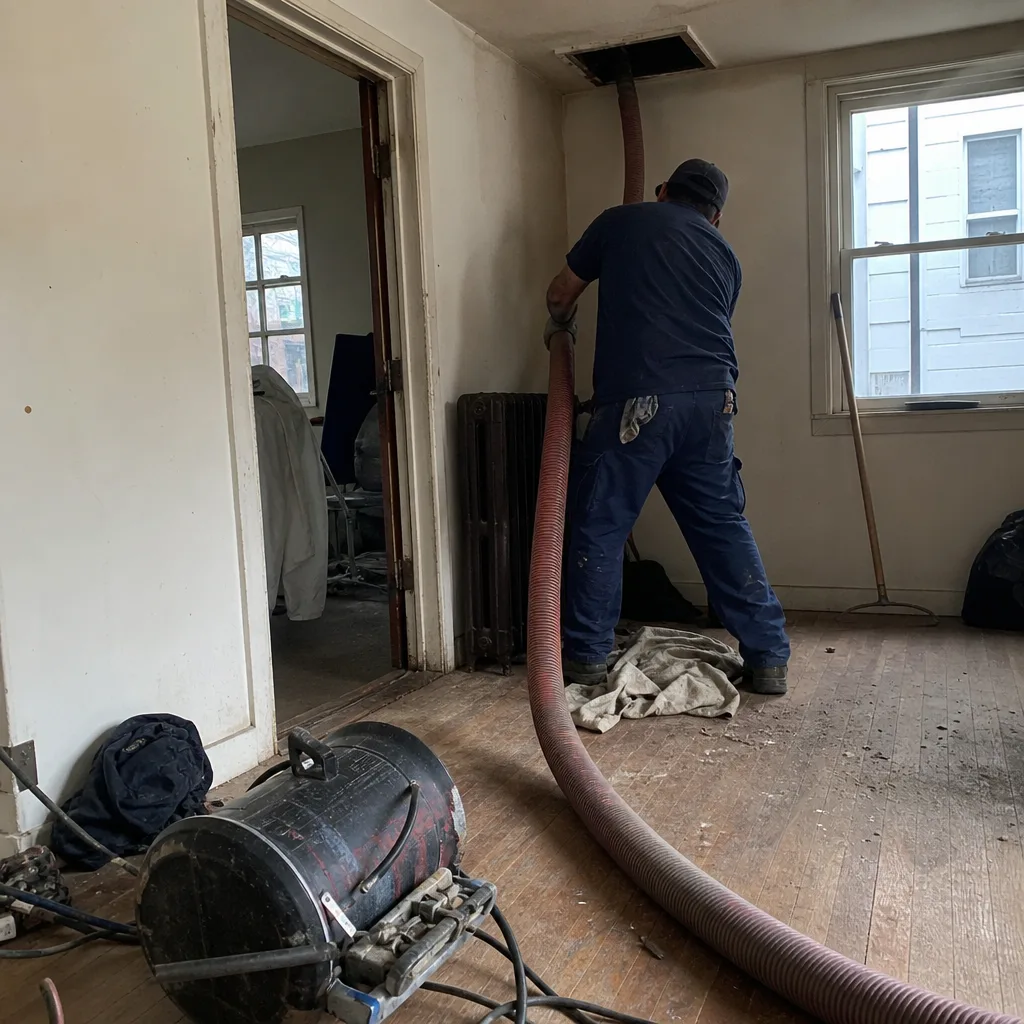 Before
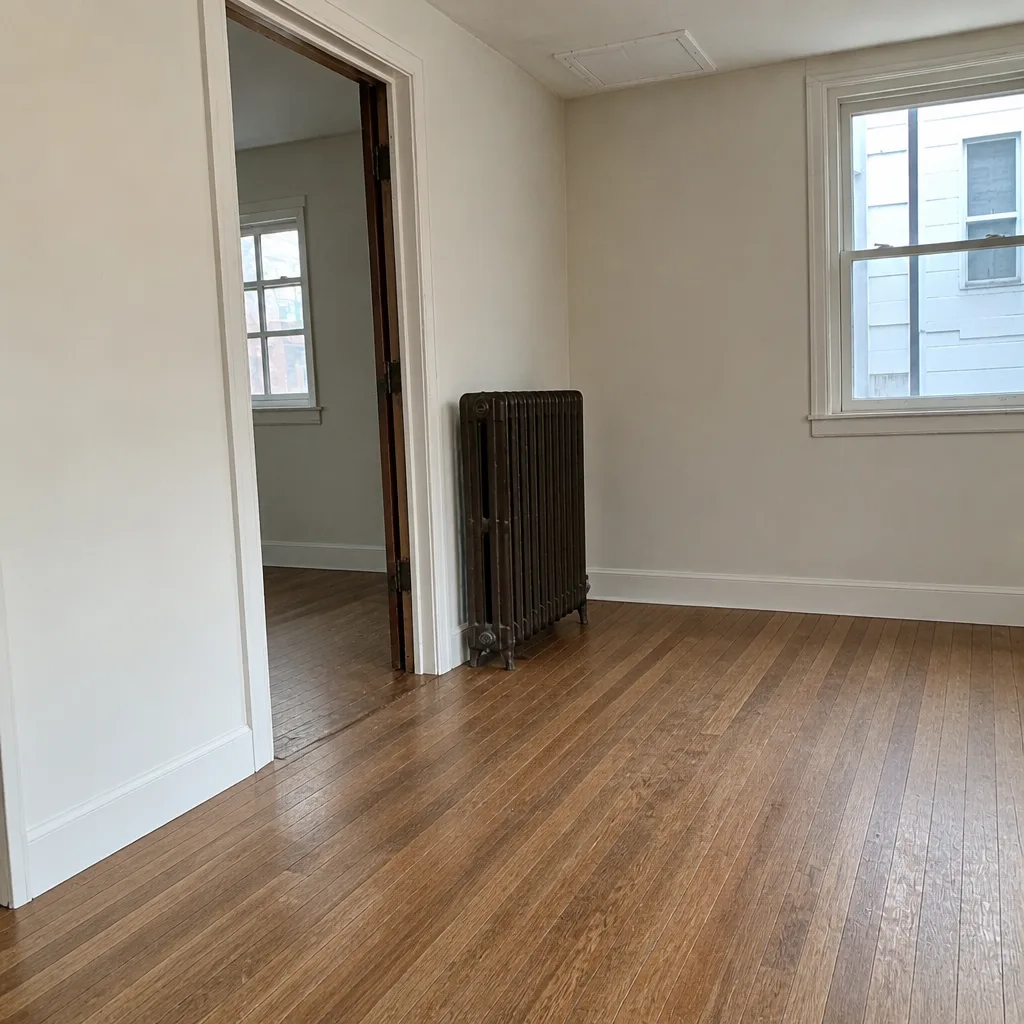 After
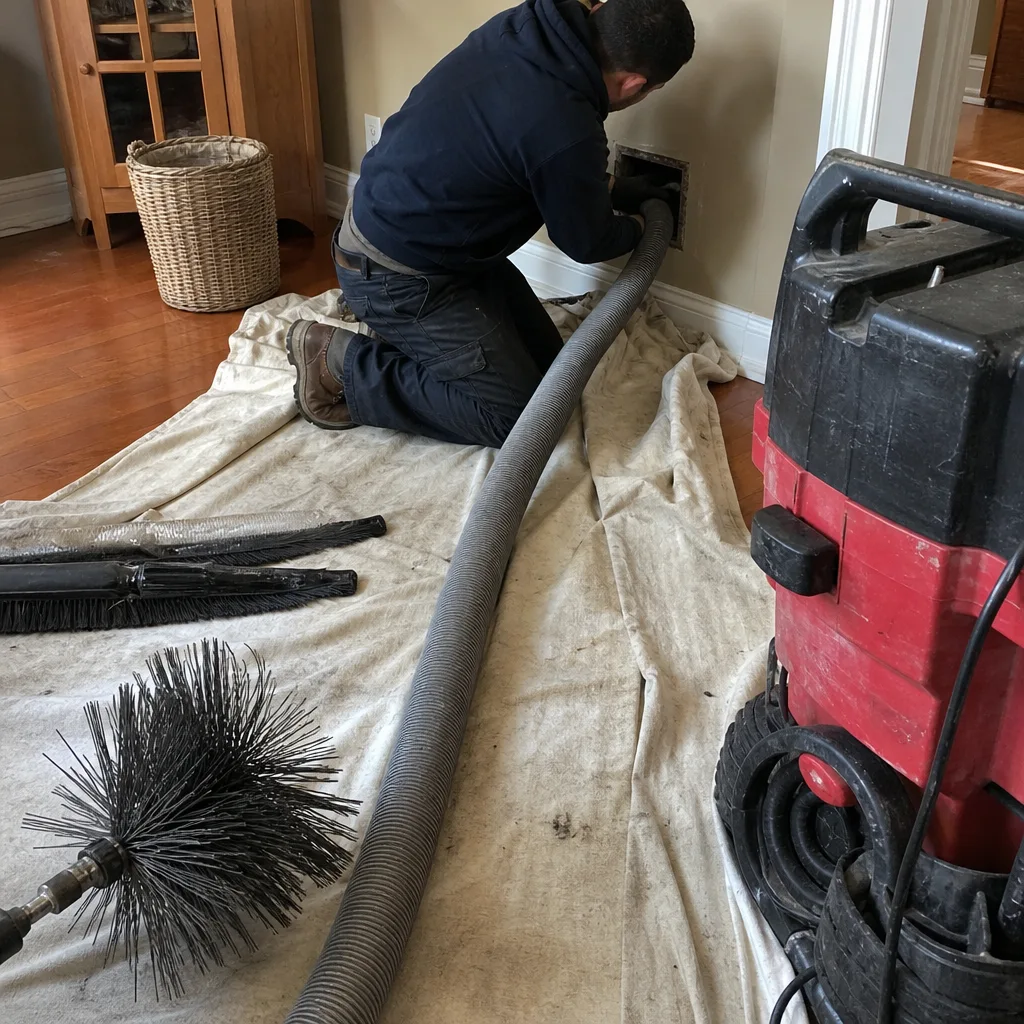 Before
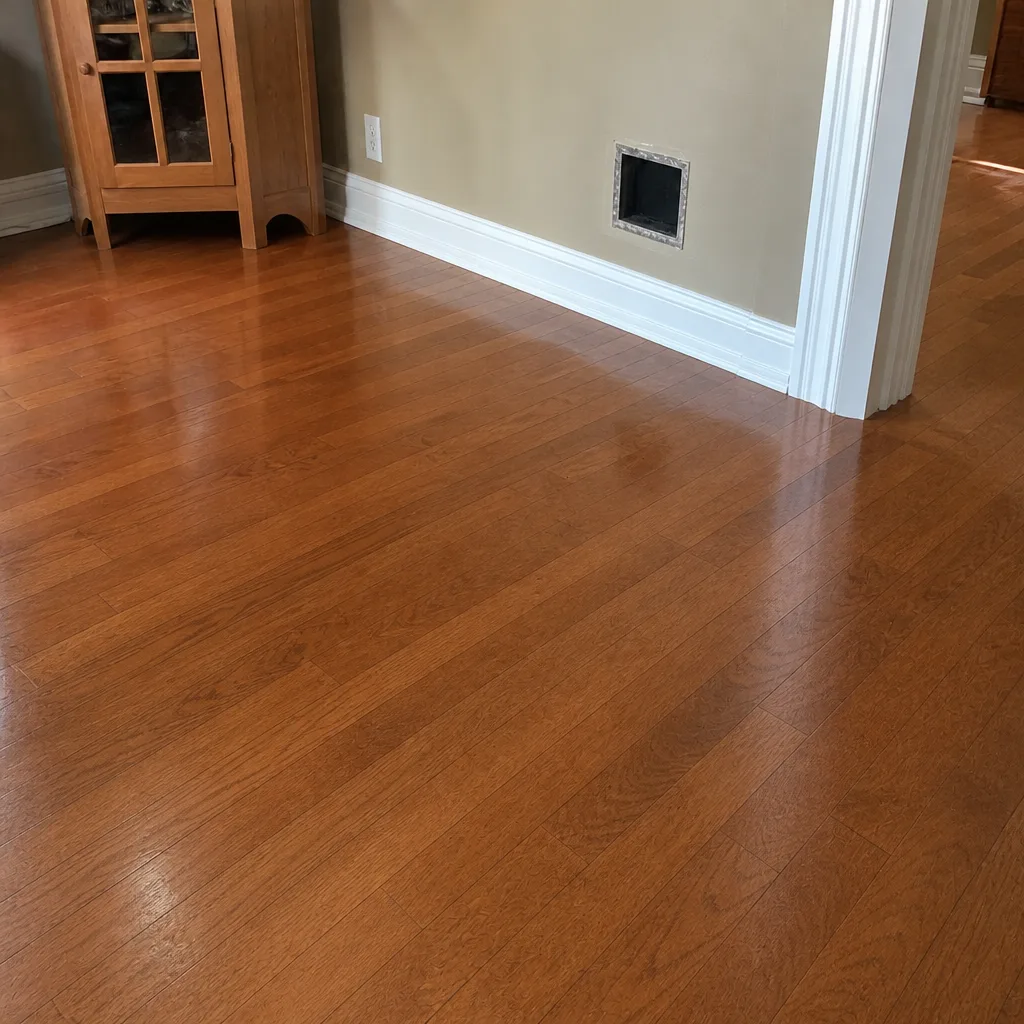 After
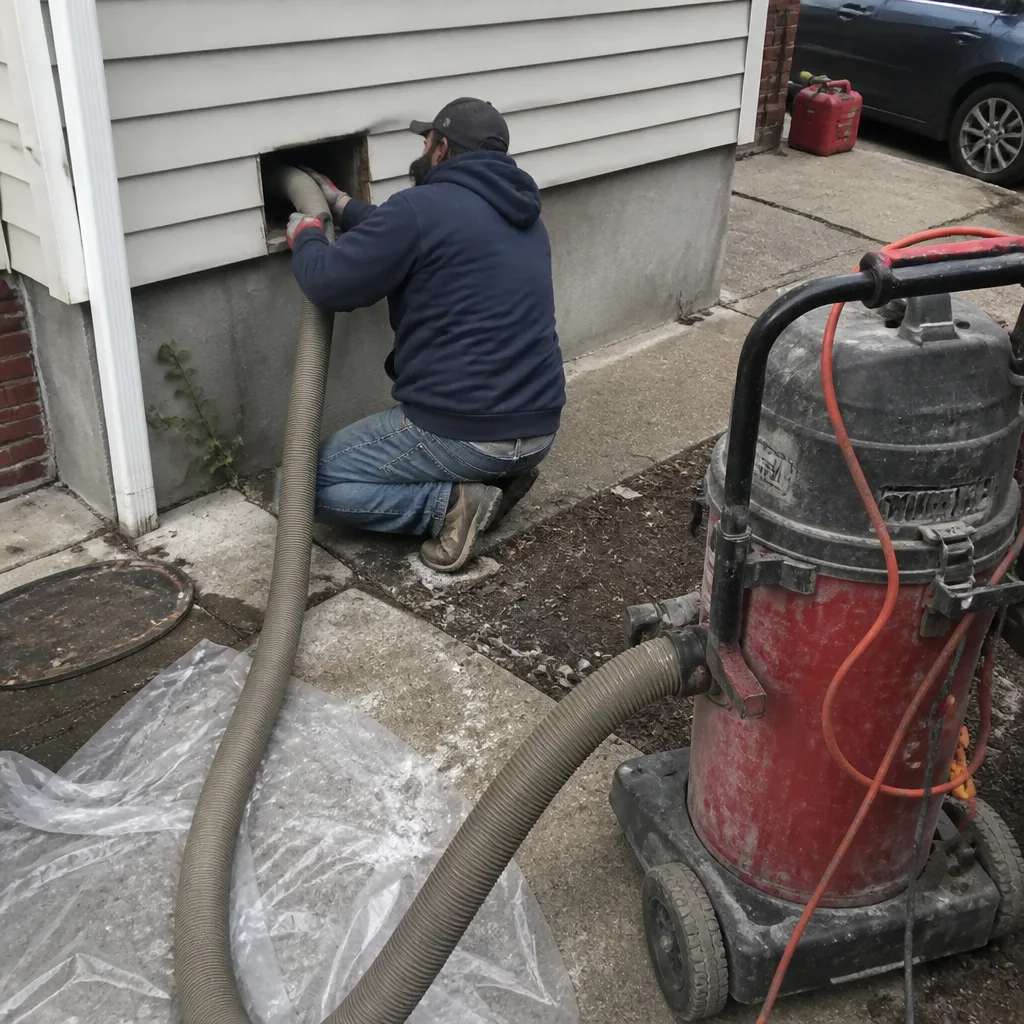 Before
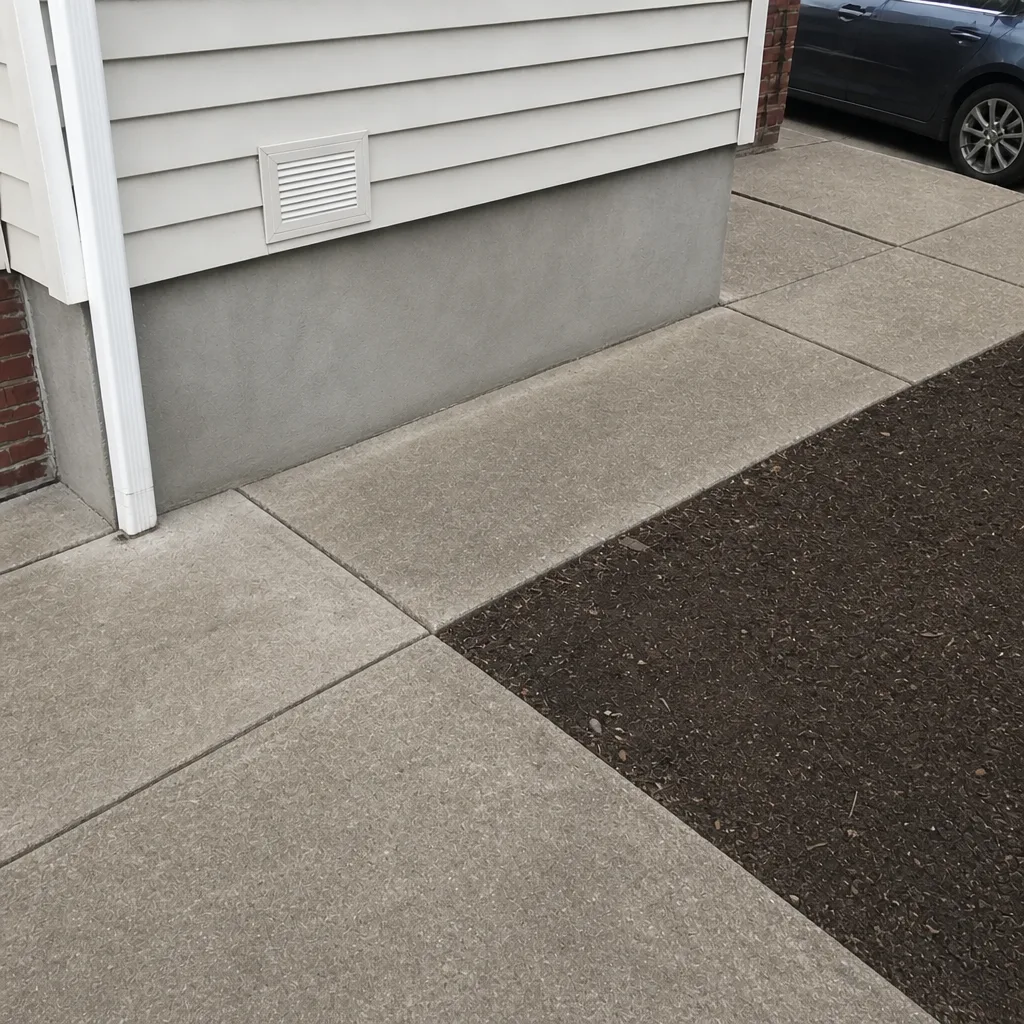 After
Frequently Asked Questions
Most Jersey City homes need cleaning every two to five years, with the exact interval driven by pets, renovation history, allergy occupants, and system age. High-rise condos with shared air handlers and older brownstone conversions with plaster dust tend to fall on the shorter end. The best first step is an inspection, not a fixed schedule.
Cheap quotes are usually teaser prices that either cover a fraction of the system (a per-vent price that grows once the technician arrives) or use consumer-grade equipment instead of professional gear. A flat price for the whole system, agreed in writing before work starts, is what makes a comparison meaningful. If a quote doesn’t cover the full system and photos, it isn’t covering what the work actually is.
Ask for before-and-after photos of your own ducts, taken during the job, and a written scope of what was cleaned (supply, return, boots, and the air handler). Professional cleaning with proper containment equipment is verifiable in a way that a shop-vac job isn’t. If a provider won’t document the work, that’s the answer.
Yes, often shorter. Shared air handlers and shaft systems in Jersey City’s downtown and waterfront buildings can pull particulate from adjacent units, and the airflow through a condo system runs more hours than in a single-family home. A return grille check plus an inspection will tell you whether your unit is loading faster than a standalone home would.
After. Always after. Construction dust recontaminates a system within weeks, and cleaning before a renovation wastes the work. If the renovation is extensive, plan a follow-up cleaning six to eight months after the first one to catch what settles in the duct walls.
A mid-grade pleated filter matched to your system’s airflow is right for most homes. Media filters from Honeywell or Aprilaire are a step up if you have room for a 4- or 5-inch cabinet. Very high-MERV filters on older systems can restrict airflow, so check with a technician before upgrading. Whatever you choose, check it at 30 days after a professional cleaning, then on the manufacturer’s cadence.
Call (844) 834-2949 for an exact quote on your home. Estimates are free. We answer 24/7. Fast dispatch from 7am to 7pm, Sunday through Friday.
The Bottom Line
Air duct maintenance isn’t a calendar. It’s a condition-based plan built around four variables: pets, renovation history, allergies, and system age. The generic “every three to five years” rule is a starting point that’s wrong for most real houses. Jersey City’s housing stock, from high-rise shared air handlers to older brownstone conversions, shortens the interval for many homes and makes the return grille check the most useful DIY tool in the box. Clean after renovations, not before. Change the filter on the schedule your filter grade demands. Do the 30-day post-cleaning check. Document everything. And when something looks like a duct problem rather than a dust problem, get it diagnosed before you clean.
If you want a straight assessment of what your system actually needs, our team at Jersey City handles air duct cleaning, dryer vent cleaning, and air duct repair with professional-grade equipment. We use Rotobrush rotary-brush systems, Nikro cleaning equipment, Abatement Technologies containment, and we install and recommend Honeywell and Aprilaire air quality products when the system calls for them. Our technicians have up to 10 years of experience. For a free estimate, call (844) 834-2949. We answer 24/7. Fast dispatch from 7am to 7pm, Sunday through Friday. We’re closed Saturday, and if a door fails on a Saturday, call us and we’ll book you for Sunday.
Written by the team at Duct Cleaning Jersey City.